

Key Takeaways
- Trust is not a soft value – it is a measurable strategic asset.
- In high-risk industries, preparation consistently beats brilliance.
- Leadership credibility is built long before pressure arrives.
- Calm decision-making creates confidence across teams and markets.
- Reputation compounds when leaders align words, actions, and values.
When the Stakes Are High, Trust Becomes Strategy
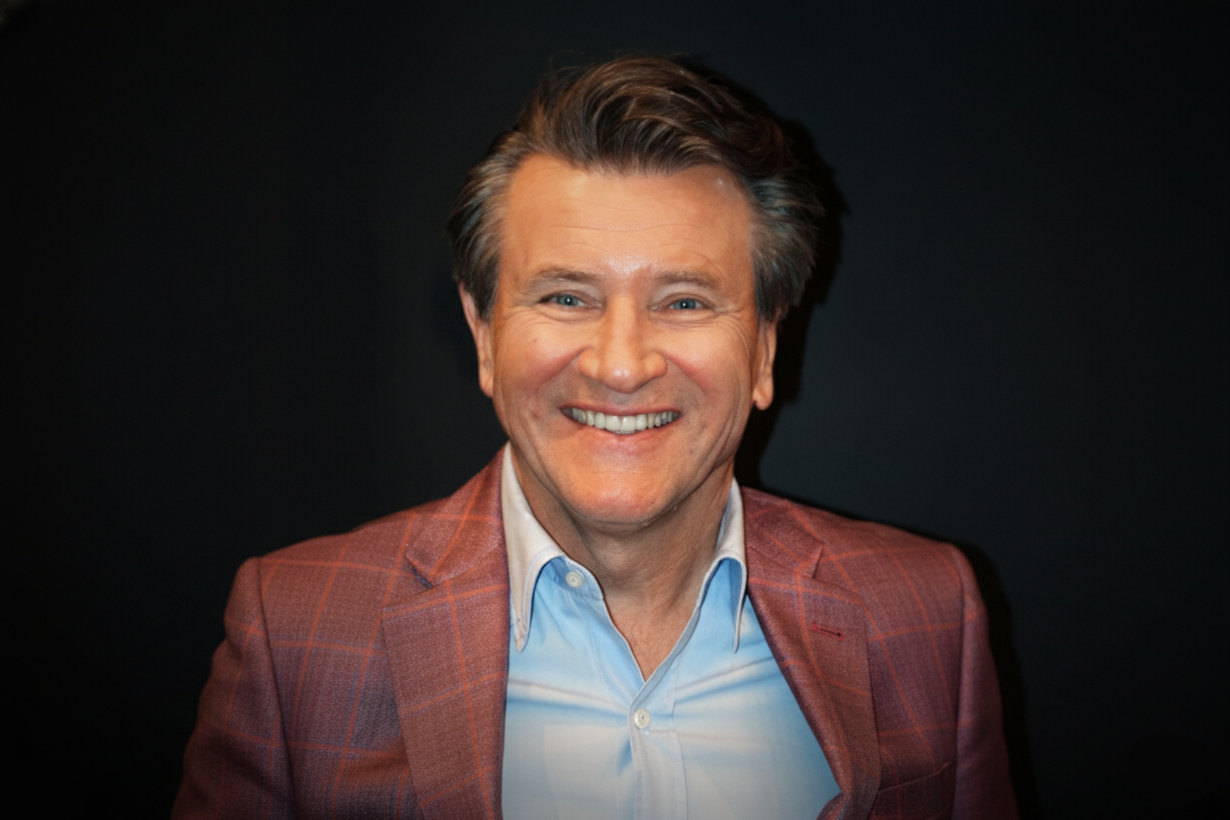
In industries where mistakes are invisible until they are catastrophic, leadership is not about charisma – it is about trust. Robert Herjavec has spent decades operating in exactly those environments. Cybersecurity, enterprise technology, high-stakes investing, and public scrutiny are not forgiving arenas. They reward discipline, consistency, and credibility far more than bold promises.
Herjavec’s leadership philosophy reflects this reality. He doesn’t treat trust as a byproduct of success; he treats it as infrastructure – something built deliberately, reinforced daily, and never spent casually.
In a business world obsessed with speed, disruption, and visibility, his approach is quietly contrarian: move fast only when trust is already in place.
Leadership Where Failure Is Not an Option
Cybersecurity is a leadership pressure cooker. When systems fail, companies don’t lose momentum – they lose credibility, customers, and sometimes their entire future.
As the founder of BRAK Systems (later acquired by AT&T) and the builder of Herjavec Group into a global cybersecurity firm, Herjavec learned early that technical excellence alone is insufficient. Clients don’t just buy protection; they buy belief – belief that the people guarding their data are competent, prepared, and principled.
That mindset carried into his later role as an investor and public figure. Whether evaluating founders on Shark Tank or advising enterprises behind closed doors, Herjavec approaches leadership from the same foundation: risk is inevitable; trust determines survivability.
Trust Is Built Before You Need It
One of Herjavec’s most consistent leadership patterns is this: he invests time in trust before crisis demands it.
He emphasizes preparation, transparency, and clear expectations long before decisions become urgent. Teams know where he stands. Partners understand boundaries. Stakeholders aren’t surprised when hard calls are made.
This is not accidental. In high-risk environments, hesitation is often mistaken for uncertainty. Leaders who wait to build trust until something goes wrong are already too late.
Herjavec’s leadership lesson is simple but difficult: credibility must be established in calm moments so it can be relied upon in chaotic ones.
Preparation Outperforms Brilliance
Robert Herjavec has repeatedly shown a preference for disciplined operators over flashy visionaries. This is especially visible in how he evaluates businesses and leaders: preparation signals seriousness.
He looks for founders who understand their numbers, anticipate challenges, and demonstrate operational maturity – not just ambition. In cybersecurity, preparation is survival. In investing, it’s risk mitigation.
This philosophy extends to leadership itself. Herjavec doesn’t present himself as the smartest person in the room. Instead, he models readiness – knowing the terrain, understanding failure points, and planning responses before they’re needed.
In environments where errors compound quickly, preparation is not conservative – it’s competitive.
Calm Is a Leadership Advantage
One of Herjavec’s most underappreciated leadership traits is composure.
High-stakes environments amplify emotion. Panic spreads faster than facts. Leaders who react emotionally create instability, even if their intentions are good.
Herjavec’s style is deliberately steady. He listens carefully, asks precise questions, and avoids performative urgency. This calm doesn’t signal detachment – it signals control.
Teams take cues from leadership behavior. When leaders remain measured, organizations remain functional. When leaders panic, systems fracture.
Calm, in this sense, becomes a force multiplier.
Reputation Is a Compounding Asset
Unlike metrics that reset quarterly, reputation compounds over time.
Robert Herjavec understands this deeply. Whether dealing with enterprise clients, founders seeking capital, or audiences watching from afar, he treats consistency as non-negotiable. The same standards apply whether cameras are on or off.
This approach creates long-term optionality. People return to leaders whose behavior is predictable in the best sense of the word – fair, disciplined, and aligned.
In leadership, reputation is not branding. It is accumulated behavior.
Leadership Is Pattern Recognition
After decades of building, exiting, investing, and advising, Herjavec operates less on instinct and more on patterns.
He recognizes warning signs early: unclear ownership, inflated projections, ethical shortcuts disguised as efficiency. Conversely, he spots strength in humility, preparation, and adaptability.
This pattern recognition doesn’t come from theory – it comes from exposure. From seeing what breaks under pressure and what holds.
For emerging leaders, the lesson is clear: experience sharpens judgment faster than ideology.
Why Trust Is the Ultimate Leadership Currency
Robert Herjavec’s leadership doesn’t rely on spectacle. It relies on reliability.
In a world where leaders are increasingly visible but not always dependable, his approach offers a counterbalance. He demonstrates that trust, once established, reduces friction everywhere – in teams, in negotiations, in crises.
Leadership under pressure doesn’t demand louder voices. It demands steadier hands.
And in high-risk environments, that steadiness isn’t just admirable – it’s decisive.
FAQs
1. Why is Robert Herjavec considered a strong leadership example?
Because he operates in high-risk industries where trust, preparation, and credibility directly determine outcomes.
2. What leadership style defines Robert Herjavec?
Disciplined, calm, trust-centric, and preparation-driven leadership.
3. How does his cybersecurity background shape his leadership?
Cybersecurity demands anticipation, accountability, and composure – traits that define his broader leadership philosophy.
4. What does Herjavec prioritize when evaluating founders or leaders?
Preparation, clarity, ethical consistency, and operational understanding.
5. What can leaders learn from Herjavec’s approach?
That trust is not a personality trait – it is a strategic system built over time.
Sources:
- https://en.wikipedia.org/wiki/Robert_Herjavec
- https://www.entrepreneur.com/leadership/shark-tanks-robert-herjavec-in-business-dont-forget/246493
- https://www.futureofbusinessandtech.com/employee-well-being/robert-herjavec-on-leadership-well-being-and-workplace-culture/
- https://speakerscanada.com/keynote-speaker/robert-herjavec/
- https://finance.yahoo.com/news/shark-tank-star-robert-herjavec-170008386.html
Photo credit: Philip Romano / Wikimedia Commons / CC BY 4.0 (link)