


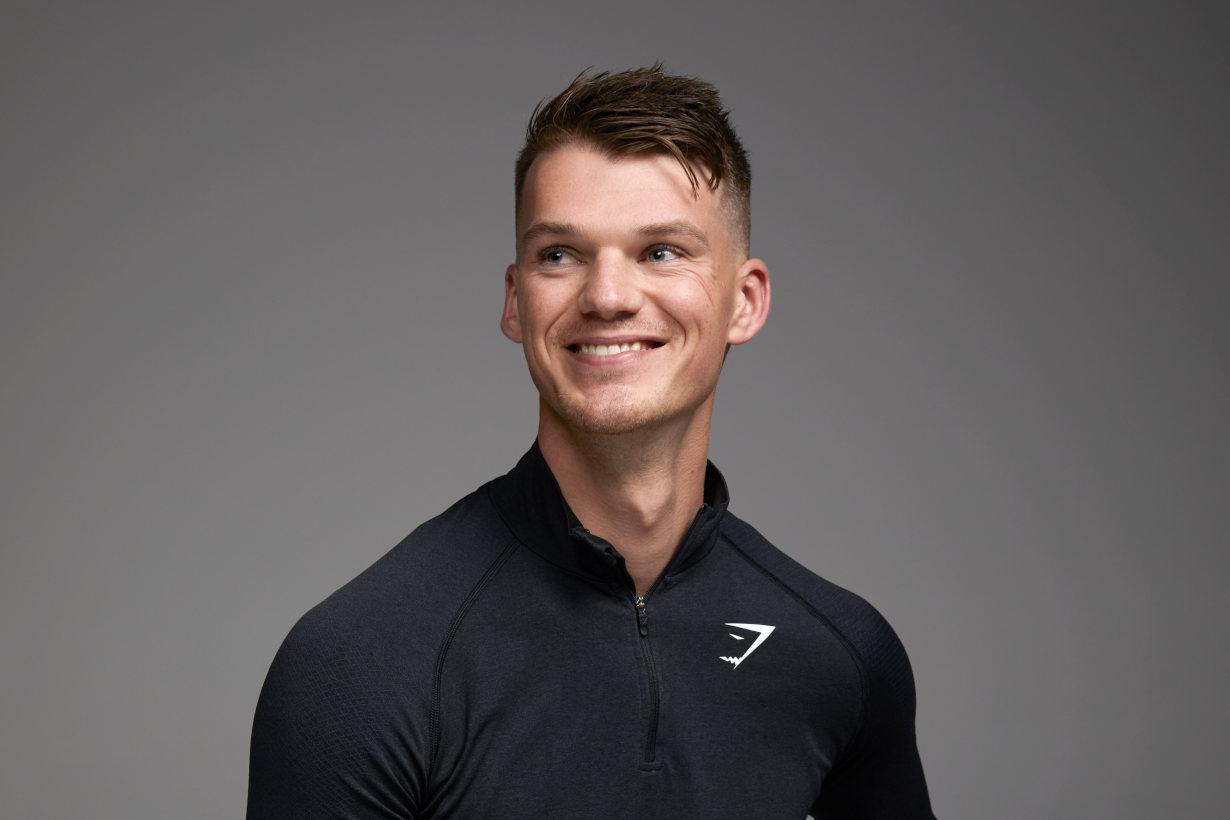
Some founders chase markets. Others chase margins. Ben Francis chased alignment – between culture, product, and community. What began as a university side project became one of the most influential digital-native fitness brands of its generation.
Key Takeaways
- Deep community understanding can outperform traditional advertising models.
- Founder humility can strengthen long-term company performance.
- Digital-native infrastructure creates structural competitive advantage.
- Direct-to-consumer control enables stronger brand loyalty.
- Founder evolution is critical as companies scale.
Starting Before he Was Ready
In 2012, while studying at university and working part-time at Pizza Hut, Ben Francis launched what would become Gymshark.
He was 19 years old.
There was no outside capital, no retail experience, and no fashion background. The company began with small product runs, early website builds, and direct engagement with online fitness communities. Francis wasn’t trying to disrupt an industry – he was trying to serve a community he felt existing brands overlooked.
Decisions That Shaped the Company
Gymshark’s early growth was driven by direct-to-consumer e-commerce and partnerships with emerging fitness creators on YouTube and Instagram. Rather than relying on traditional retail distribution or wholesale contracts, the company focused entirely on its own website and digital channels.
This decision created both opportunity and risk.
In 2013, during a major promotional event, website traffic surged beyond capacity and the site repeatedly crashed. Orders were delayed, customers were frustrated, and the brand faced its first operational crisis. The response was not defensive – it was infrastructural. Gymshark invested heavily in technology, backend systems, and logistics to ensure scalability.
As revenue grew rapidly over the next several years, organizational complexity increased. By 2015, Francis made a pivotal decision: he stepped down as CEO and brought in experienced leadership to manage scale, operations, and global expansion. He remained involved in brand and product direction, but allowed professional executives to build formal structure around the business.
This move distinguished him from many young founders who resist dilution of control. It signaled an understanding that founder vision and operational leadership are not always the same skill set.
Over time, Gymshark expanded internationally, refined its supply chain, built distribution capabilities, and invested in long-term infrastructure. Years later, with greater experience and perspective, Francis returned as CEO – not as the same entrepreneur who launched the brand, but as a more seasoned founder prepared to lead at scale.
Scaling Without Losing Identity
Today, Gymshark operates in over 200 countries and has grown into one of the most recognizable digital-native fitness brands globally. The company achieved unicorn valuation status and established a large global headquarters in the UK, reinforcing its long-term ambitions beyond trend-driven apparel cycles.
Yet Gymshark’s defining strength is not simply scale – it is structural positioning.
From inception, the brand was built for e-commerce. It owns its customer relationships directly. It leverages community events, creator partnerships, and social engagement as core infrastructure rather than marketing add-ons. Its pop-up events generate physical lines because the digital community translates into real-world loyalty.
When Francis resumed the CEO role, his focus shifted toward sustainable growth, leadership development, and operational resilience. The founder who once handled small production runs was now responsible for global supply chains, international markets, and long-term brand durability.
Importantly, Gymshark has avoided becoming reactive to fashion volatility. Instead, it has maintained emphasis on performance, fit, and community credibility. That consistency has strengthened brand trust over time.
Gymshark vs. Legacy Athletic Brands
To understand what makes Gymshark structurally different, it helps to compare it with the legacy athletic giants that dominated long before the internet era. The contrast highlights not just different strategies – but different founding contexts.
| Dimension | Gymshark | Nike / Adidas |
|---|---|---|
| Founding Era | Digital-native (2012) | Pre-digital retail era (1960s–1970s origins) |
| Growth Model | Direct-to-consumer e-commerce | Wholesale + global retail distribution |
| Marketing Approach | Creator partnerships and community engagement | Mass advertising, celebrity endorsements, sponsorships |
| Customer Relationship | Owned digital channels and first-party data | Retail intermediaries and global retail networks |
| Brand Building | Bottom-up community-driven growth | Top-down brand campaigns |
| Infrastructure | Built for online scale from inception | Adapted to digital after physical dominance |
| Founder Positioning | Community-aligned digital-native founder | Corporate-led global enterprises |
The difference is not simply size – it is architectural. Gymshark was built inside the internet economy, while legacy brands were built for physical retail dominance and later adapted to digital. That structural reality reflects founder origin: Ben Francis started within online community culture, not corporate athletic sponsorship ecosystems.
Founder Identity: Growing Into Leadership
Ben Francis represents a distinct founder archetype: the digital-native builder who matures alongside his company.
He did not begin with decades of executive experience. He began with cultural proximity. Over time, that proximity evolved into strategic clarity.
The decision to step down as CEO – and later return – demonstrates a founder willing to prioritize company longevity over ego. That arc strengthens Gymshark’s narrative. It shows that founder evolution can be as important as product evolution.
Francis’ leadership today reflects a blend of original community instinct and structured business discipline. The founder has grown up – and the company has grown with him.
Community Is a Founder Advantage
Ben Francis’ story reinforces a modern founder truth: proximity to community can be a structural advantage.
Gymshark was not built through superior manufacturing scale at the start. It was built through cultural alignment. Francis understood the audience because he was part of it. That authenticity created momentum that traditional brands struggled to replicate quickly.
For emerging founders, the lesson is not simply to “use influencers” or “go digital.” It is to build where you already belong. Sustainable brands often emerge when founders serve communities they genuinely understand.
Francis also illustrates a second lesson: leadership maturity is part of founder development. Knowing when to step aside – and when to step back in – requires clarity and humility.
Gymshark’s trajectory shows that youth is not a limitation in founding a company. But growth – personal and organizational – determines whether that company lasts.
FAQs
1. How did Ben Francis start Gymshark?
Ben Francis started Gymshark in 2012 while studying at university and working part-time, initially producing small apparel runs and selling online. Early traction came through partnerships with emerging fitness creators rather than traditional retail channels.
2. Why did Ben Francis step down as CEO?
As Gymshark scaled rapidly, Francis recognized that the business required operational experience beyond his own at the time. He stepped aside to bring in experienced leadership while continuing to shape brand and product direction.
3. How did Gymshark grow without relying on retail stores?
Gymshark focused on direct-to-consumer e-commerce from the beginning, investing in its own digital infrastructure. This allowed the company to maintain control over customer relationships and brand messaging globally.
4. What differentiates Gymshark from legacy athletic brands?
Gymshark was built natively for the internet and scaled through creator partnerships and community engagement. Unlike traditional brands, it did not depend heavily on wholesale distribution or mass media advertising in its early stages.
5. What can young founders learn from Ben Francis’ journey?
Young founders can learn that starting with limited experience is not a barrier if they remain adaptable and willing to evolve. Francis’ trajectory demonstrates that humility, strategic delegation, and community alignment are long-term advantages.
Sources:
- https://en.wikipedia.org/wiki/Ben_Francis
- https://uk.linkedin.com/in/gymshark
- https://www.cnbc.com/2023/05/26/gymshark-ceo-ben-francis-from-pizza-hut-sewing-kit-to-billionaire.html
- https://www.researchgate.net/publication/390535155_A_Case_Study_in_Digital_Innovation_and_Community_Building_Gymshark’s_Marketing_Strategy_A_Case_Study_in_Digital_Innovation_and_Community_Building
Photo credit: JamesDPerrett / Wikimedia Commons / CC BY-SA 4.0 – cropped (link)