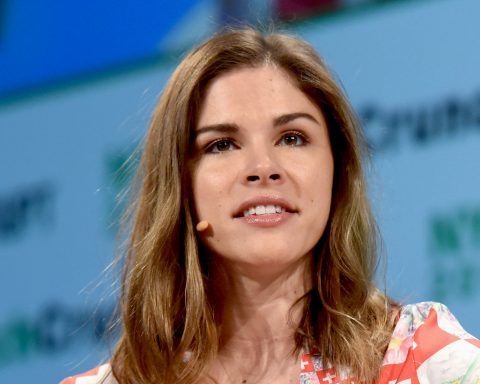


The rise of the creator economy has blurred the line between audience and ownership. While many influencers build large followings, only a few successfully translate that attention into sustainable businesses. Emma Chamberlain is one of those few – turning personal brand equity into Chamberlain Coffee, a fast-growing consumer company competing in a crowded global market.
Key Takeaways
- Emma Chamberlain successfully transitioned from content creator to consumer brand founder.
- Audience-driven brands can achieve strong early traction but require operational discipline to scale.
- Retail expansion is a critical milestone for consumer packaged goods companies.
- Founder involvement often deepens during periods of operational challenge.
- Sustainable growth increasingly matters more than rapid expansion in modern startups.
Emma Chamberlain: From Creator to Founder
Emma Chamberlain first rose to prominence on YouTube, where her candid, unfiltered style resonated with millions of Gen Z viewers. Unlike highly produced influencers, her content felt authentic, conversational, and personal – helping her build a deeply engaged audience.
But Chamberlain’s trajectory did not stop at content creation.
As her audience grew, she developed a strong understanding of consumer behavior, brand identity, and digital engagement. Coffee, a recurring theme in her content and daily routine, became the foundation for a business idea that felt both personal and scalable.
Rather than launching generic merchandise, she chose to build a repeat-consumption product – a significantly more complex but ultimately more valuable business model.
This decision marked her transition from creator to founder.
Building a Brand Beyond an Audience
Launched in 2019, Chamberlain Coffee began as a direct-to-consumer brand focused on ethically sourced coffee products. Early traction came from Chamberlain’s audience, but the company quickly expanded beyond influencer-driven sales.
The brand positioned itself around:
- Sustainability
- Playful, distinctive branding
- Accessibility for younger consumers
Unlike traditional coffee companies, Chamberlain Coffee leaned heavily into storytelling and identity. Packaging, messaging, and product design were all aligned with Chamberlain’s personality – informal, relatable, and visually distinctive.
However, building a consumer packaged goods (CPG) company introduced challenges far beyond content creation.
Scaling required:
- Supply chain coordination
- Manufacturing partnerships
- Retail distribution strategy
- Inventory and cost management
By 2023-2024, the company encountered operational hurdles, including supplier and production issues that affected product availability. At the same time, broader market conditions made fundraising more difficult for consumer startups.
In response, Chamberlain took a more active leadership role, stepping in as co-CEO. The company shifted its focus toward operational discipline, cost control, and long-term sustainability rather than rapid expansion.
This phase marked a critical evolution: from brand-led growth to business-led execution.
From Influencer Brand to Retail-Scale Business
Today, Chamberlain Coffee has expanded far beyond its original direct-to-consumer roots.
The brand is now stocked in major retailers such as Target, Walmart, and Whole Foods Market, significantly increasing its reach.
This transition from online sales to large-scale retail distribution represents a major milestone. It signals that the company is no longer dependent solely on Chamberlain’s audience, but is competing within the broader consumer goods market.
The company has also begun exploring physical retail, including the launch of its first café – a move that extends the brand into experiential spaces and deepens customer engagement.
Financially, the business has moved toward stabilization, with a stronger emphasis on profitability and operational efficiency. This shift reflects a broader trend in the startup ecosystem, where sustainable growth has become more important than rapid scaling.
Creator Brand vs. Traditional Coffee Companies
Chamberlain Coffee operates differently from legacy coffee brands.
| Dimension | Chamberlain Coffee | Traditional Coffee Brands |
|---|---|---|
| Origin | Creator-led | Corporate or heritage brands |
| Marketing | Audience and content-driven | Advertising and retail presence |
| Brand Identity | Personality-driven and lifestyle-focused | Product-focused |
| Distribution | DTC | Retail-first |
| Customer Relationship | Community and engagement | Transactional |
This difference highlights a broader shift in consumer brands. Companies built from audiences often prioritize identity and connection before scaling distribution.
Beyond Coffee: Expanding a Founder Identity
What makes Emma Chamberlain particularly interesting as a founder is not just the business she built, but how she built it.
Unlike traditional entrepreneurs who start with a product and then find customers, Chamberlain started with an audience and then developed a product that aligned with that audience’s identity.
This approach allowed her to:
- Launch with built-in demand
- Test brand resonance quickly
- Iterate based on direct feedback
However, her evolution into a founder required moving beyond content strategy into operational leadership – managing teams, overseeing supply chains, and making financial decisions.
Her journey reflects a broader shift in entrepreneurship, where creators are increasingly becoming operators, not just promoters.
Emma Chamberlain: From Audience to Ownership
Emma Chamberlain’s journey illustrates one of the most important shifts in modern business: the transition from audience to ownership.
Through Chamberlain Coffee, she demonstrated that attention can be converted into a scalable company – but only with the addition of operational discipline and long-term strategy.
Her early success came from authenticity and connection. Her next phase required execution, resilience, and a willingness to engage with the complexities of running a consumer business.
The broader lesson for founders is clear. Building an audience can create opportunity, but building a company requires structure.
Chamberlain’s evolution shows that the most successful modern founders are not just creators or operators – they are both.
FAQs
Who is Emma Chamberlain as a founder?
Emma Chamberlain is a content creator turned entrepreneur who founded Chamberlain Coffee. She represents a new generation of founders who leverage audience influence to build consumer brands, bridging the gap between digital media and physical products.
What is Chamberlain Coffee?
Chamberlain Coffee is a coffee and beverage brand focused on sustainability and Gen Z consumers. It sells products online and through major retail stores, positioning itself as a lifestyle brand rather than just a traditional coffee company.
How did Emma Chamberlain build her business?
She leveraged her large and engaged audience to launch the brand and drive early sales. Over time, the company expanded into retail and developed a more traditional business structure, allowing it to reach customers beyond her original fan base.
What challenges has Chamberlain Coffee faced?
The company has dealt with supply chain and operational issues as it scaled. These challenges led to a stronger focus on profitability and execution, reflecting a broader shift in the startup ecosystem toward sustainable growth.
What can founders learn from Emma Chamberlain?
Founders can learn that building a brand requires more than attention – it requires systems, discipline, and adaptability. Her journey highlights the importance of evolving from creator to operator, especially when transitioning from a personal brand into a scalable business.
Sources: