

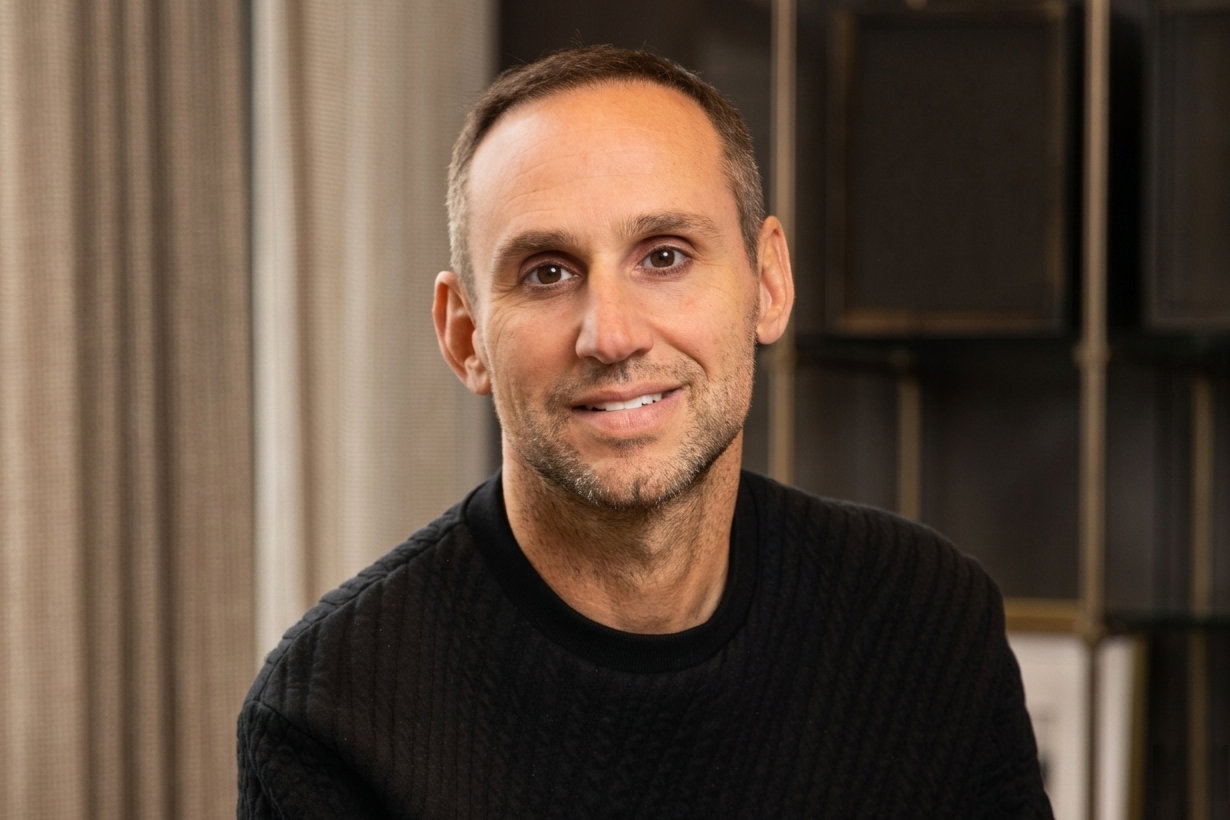
In modern sports commerce, few companies have reshaped the industry as dramatically as Fanatics. What began as a licensed merchandise retailer has evolved into a vertically integrated global platform spanning apparel, collectibles, betting, and digital fan engagement. Behind that transformation is Michael Rubin, an entrepreneur whose career has been defined by relentless execution, strategic partnerships, and a willingness to rebuild industries from the inside out.
Key Takeaways
- Fanatics succeeded by redesigning the sports merchandise supply chain around speed, data, and real-time demand.
- Michael Rubin’s career shows how infrastructure businesses can quietly reshape entire industries.
- Strategic partnerships with leagues and teams can become powerful competitive advantages.
- Vertical integration can unlock new revenue streams across adjacent markets like collectibles and betting.
- Founder discipline and operational focus often matter more than hype when building long-term companies.
A Teenage Entrepreneur Who Refused to Think Small
Long before he became a billionaire sports commerce executive, Michael Rubin was already obsessed with building businesses. As a teenager in Pennsylvania, he opened a ski equipment shop using $2,500 borrowed from his parents. The shop sold equipment, apparel, and accessories to local customers who shared Rubin’s enthusiasm for outdoor sports.
But the business quickly ran into trouble. Rubin expanded too quickly, and by the age of 16 he had accumulated significant debt. For many young entrepreneurs, that experience might have ended their ambitions. Instead, Rubin treated the failure as a lesson in discipline and scale.
Within a few years he launched a new venture focused on sports merchandise and equipment distribution. This business eventually evolved into GSI Commerce, a company that provided e-commerce infrastructure for major brands. Rubin’s vision was simple but powerful: if online retail was going to reshape consumer behavior, brands would need sophisticated technology and logistics partners to succeed.
That insight would define the next stage of his career.
Building Platforms, Not Just Stores
Rubin officially founded GSI Commerce in 1998, just as e-commerce was entering its early growth phase. The company offered end-to-end services for brands looking to sell products online, including website development, marketing, customer service, and logistics.
At a time when many retailers struggled to adapt to the digital economy, GSI positioned itself as a behind-the-scenes infrastructure provider. Instead of competing directly with brands, Rubin helped them build scalable online businesses.
The strategy worked. Over the next decade, GSI Commerce grew rapidly, signing partnerships with major retailers and sports organizations. The company eventually went public and became one of the leading e-commerce service providers in the United States.
In 2011, Rubin sold GSI Commerce to eBay for $2.4 billion. But the most important part of the deal was what Rubin kept.
He retained ownership of the sports merchandise division of the business. That unit would soon become the foundation of Fanatics.
Rubin saw something others had missed: licensed sports merchandise was an industry stuck in outdated manufacturing and distribution cycles. Traditional apparel companies produced merchandise months in advance, hoping to predict which teams or players would be popular.
But sports fandom moves fast. Championships, trades, and viral moments can change demand overnight. Rubin believed the industry needed a new model – one built around real-time manufacturing, data, and direct fan relationships.
Transforming Fanatics Into a Global Sports Platform
Under Rubin’s leadership, Fanatics evolved from a retailer into a vertically integrated sports commerce platform. Instead of simply selling licensed merchandise, the company began controlling more of the supply chain, from design and manufacturing to distribution and e-commerce.
The company also built deep partnerships with major sports leagues, including the National Football League (NFL,) the National Basketball Association (NBA,) and Major League Baseball (MLB.) These partnerships gave Fanatics exclusive or long-term rights to produce and distribute licensed merchandise across many categories.
This integration allowed Fanatics to adopt a radically different manufacturing model. Instead of producing merchandise far in advance, the company developed rapid-response production capabilities that could create products immediately after major sports events.
For example, championship apparel can now be manufactured and shipped within hours of a game ending. This approach dramatically reduces inventory risk while capturing the emotional momentum of sports fandom.
Rubin also expanded Fanatics beyond traditional merchandise. The company entered new sectors including trading cards, collectibles, and sports betting, positioning itself as a comprehensive platform for fan engagement.
Through acquisitions and partnerships, Fanatics built new divisions focused on digital collectibles and sports betting technology. The goal was not simply to sell products, but to create an ecosystem where fans could interact with their favorite teams and athletes across multiple channels.
By the early 2020s, Fanatics had reached valuations exceeding $30 billion, making it one of the most valuable privately held sports companies in the world.
Yet Rubin’s leadership style remained focused on operational detail. Unlike founders who prioritize publicity, Rubin is widely known for his intense focus on execution, partnerships, and long-term strategic positioning.
Comparison: Fanatics vs Legacy Athletic Brands
Fanatics’ strategy differs significantly from traditional sportswear companies that dominate global apparel markets.
| Dimension | Fanatics | Legacy Athletic Brands |
|---|---|---|
| Core Business Model | Licensed sports commerce platform | Global athletic apparel manufacturing |
| Product Strategy | Real-time merchandise tied to sports events | Seasonal apparel collections |
| Supply Chain | Rapid-response manufacturing | Long production cycles |
| Primary Partnerships | Sports leagues and teams | Athletes and retail distributors |
| Revenue Ecosystem | Merchandise, collectibles, betting, digital engagement | Footwear, apparel, and accessories |
This distinction helps explain Fanatics’ rapid growth. While traditional brands focus on global athletic performance products, Fanatics focuses specifically on sports fandom – a market defined by emotional engagement, real-time demand, and loyalty to teams and leagues.
Founder Discipline Beats Founder Hype
Michael Rubin’s career illustrates a different kind of founder success story. Unlike many entrepreneurs associated with flashy product launches or viral consumer brands, Rubin built his reputation on operational execution and strategic partnerships.
From his early retail experiment as a teenager to the creation of GSI Commerce and the transformation of Fanatics, Rubin consistently focused on building infrastructure rather than chasing trends.
His biggest insight was recognizing that sports commerce was not simply about selling merchandise. It was about building a system that connects leagues, teams, athletes, and fans through technology and logistics.
By controlling the underlying infrastructure of that ecosystem, Fanatics positioned itself as a central platform within the global sports industry.
For founders, Rubin’s journey offers a clear lesson: sometimes the most valuable companies are not the ones that create new markets, but the ones that rebuild existing industries with better systems.
FAQs
Who is Michael Rubin?
Michael Rubin is the founder and CEO of Fanatics, a global sports commerce platform. He is known for building businesses focused on e-commerce infrastructure and sports licensing partnerships.
What is Fanatics best known for?
Fanatics is best known for producing and selling licensed sports merchandise for major professional leagues. The company also operates businesses in trading cards, collectibles, and sports betting technology.
How did Michael Rubin start his entrepreneurial career?
Rubin began as a teenager selling ski equipment through a retail store he opened at age 14. That early experience led to a series of ventures that eventually evolved into GSI Commerce and later Fanatics.
What was GSI Commerce?
GSI Commerce was an e-commerce services company that helped major brands build and manage their online retail operations. Rubin sold the company to eBay in 2011 for $2.4 billion.
Why is Fanatics considered different from traditional sports apparel companies?
Fanatics focuses on licensed merchandise tied to sports leagues and teams rather than performance apparel. Its real-time manufacturing and league partnerships allow it to respond quickly to fan demand.
Sources:
- https://en.wikipedia.org/wiki/Michael_Rubin_(businessman)
- https://www.fanaticsinc.com/michael-rubin
- https://techcrunch.com/2011/03/28/ebay-to-acquire-gsi-commerce-for-2-4-billion/
- https://www.cnbc.com/2022/12/06/fanatics-valuation-hits-31-billion-after-700-million-investment-round.html
Photo credit: Alex Subers / Wikimedia Commons / CC BY-SA 4.0 – edited (link)