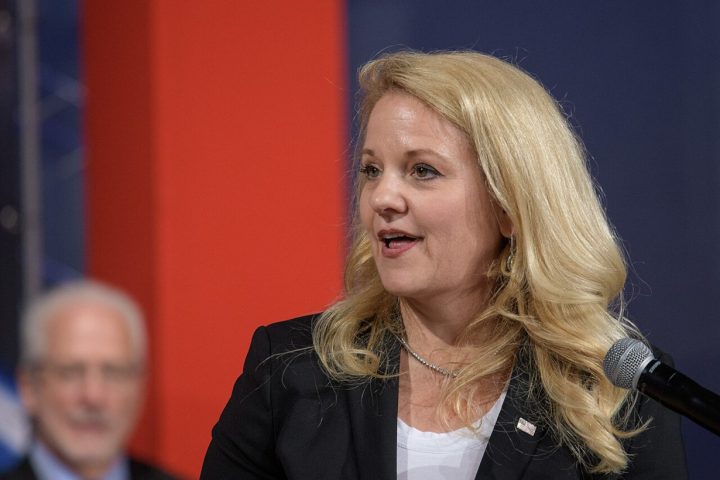



Most people will never know Michelle Zatlyn’s name – yet millions of businesses rely on decisions she helped make every second. As the co-founder and president of Cloudflare, Zatlyn helped build one of the world’s most important internet infrastructure companies by focusing on something few founders glamorize: trust. Read on to learn how her quiet, execution-driven leadership helped shape a safer, faster internet – and what modern founders can learn from building what users never see.
Key Takeaways
- Invisible value can be the strongest moat. Building systems users trust – even when they don’t notice them – creates long-term defensibility.
- Execution is a leadership superpower. Translating vision into daily operational reality is often more impactful than ideation alone.
- Trust scales through consistency, not promises. Reliability over time builds credibility faster than marketing narratives.
- Infrastructure carries ethical responsibility. Founders must consider the societal impact of platforms embedded in everyday life.
- Leadership doesn’t require the spotlight. Influence can come from alignment, clarity, and restraint rather than visibility.
Building What Users Don’t Notice
The most successful technology in the world is often invisible.
When Cloudflare works well, websites load faster, data stays secure, and attacks never make headlines. There are no fireworks, no viral moments – just quiet reliability. That invisible success is exactly what Michelle Zatlyn helped design.
In an era where founders are encouraged to build loud brands and personal followings, Zatlyn took a different path. She focused on building systems people could trust – even if they never realized Cloudflare was there at all.
That choice would define her leadership style and Cloudflare’s trajectory.
From Curiosity to Infrastructure
Michelle Zatlyn didn’t set out to build an internet infrastructure company. She started with curiosity – about how systems work, how organizations scale, and how technology shapes human behavior.
Born and raised in Canada, Zatlyn studied at McGill University before earning an MBA from Harvard Business School. It was there, in a classroom discussion about internet security, that she met Matthew Prince and Lee Holloway – the future co-founders of Cloudflare.
At the time, cybersecurity was largely reactive and fragmented. Protecting a website required expensive hardware, specialized expertise, and constant vigilance. Small businesses were often left exposed, while large enterprises built defensive moats that slowed innovation.
Zatlyn saw an opportunity not just for a company, but for a different philosophy: security as shared infrastructure.
Cloudflare was founded in 2009 with a simple but radical idea – make the internet faster and safer for everyone, not just those who could afford it. Zatlyn took on the role of building the business itself: partnerships, customer strategy, go-to-market execution, and operational discipline.
While others focused on product vision, she focused on making the vision usable.
Selling the Unseen
One of Cloudflare’s earliest challenges was explaining why it mattered.
How do you sell a product that works best when customers forget it exists?
Zatlyn led early customer conversations, helping translate deeply technical ideas into human outcomes: uptime, reliability, peace of mind. She understood that trust isn’t built through promises – it’s built through consistency.
Cloudflare’s early freemium model reflected that thinking. By offering core security and performance features for free, the company lowered barriers to entry and invited users to experience reliability firsthand. Trust became the growth engine.
As Cloudflare scaled, Zatlyn played a central role in shaping its culture. She emphasized transparency, long-term thinking, and ethical responsibility – especially as the company became more embedded in global internet traffic.
Infrastructure, she believed, carries moral weight.
Scaling Trust at Internet Scale
Today, Cloudflare operates in more than 300 cities worldwide and serves millions of websites, including governments, financial institutions, and critical public services. It sits between users and the internet itself – a position that demands technical excellence and ethical clarity.
Zatlyn’s leadership helped Cloudflare navigate difficult questions about content moderation, censorship, and responsibility. Rather than chasing easy answers, the company developed clear principles around neutrality, due process, and transparency.
In 2019, Cloudflare went public, marking a major milestone – not just financially, but philosophically. The IPO reinforced the idea that infrastructure companies can scale without abandoning values.
Zatlyn remained focused on execution, often operating behind the scenes. As president, she oversees sales, marketing, partnerships, and customer experience – ensuring that Cloudflare’s mission translates into daily reality.
Her leadership proves that founders don’t need to dominate headlines to shape industries.
Michelle Zatlyn as Connector, Not Center
Unlike archetypal founder narratives, Zatlyn’s story isn’t about lone genius. It’s about connective leadership – aligning engineers, customers, policymakers, and partners around shared outcomes.
She acts as a bridge between complexity and clarity, technology and trust.
That approach has become increasingly relevant as AI, cybersecurity threats, and geopolitical tensions reshape the internet. Cloudflare’s role as a neutral, reliable intermediary places enormous responsibility on its leaders.
Zatlyn has consistently argued that infrastructure companies must earn trust continuously – through openness, accountability, and restraint.
In a world addicted to speed, she builds for endurance.
Leadership That Holds the Internet Together
Michelle Zatlyn’s founder story challenges a popular myth: that leadership requires visibility.
Her impact lies not in personal brand-building, but in institutional strength. She shows that the most durable companies are often built by leaders who prioritize systems over spotlight, values over velocity, and trust over short-term wins.
As the internet becomes more central to human life, leaders like Zatlyn remind us that progress isn’t always loud – but it must always be dependable.
FAQs
Who is Michelle Zatlyn?
Michelle Zatlyn is the co-founder and president of Cloudflare, where she oversees business operations and go-to-market strategy. She is known for her execution-driven, trust-focused leadership style. Her work demonstrates how operational leadership can shape companies as profoundly as product vision.
What is Cloudflare best known for?
Cloudflare provides internet security, performance, and reliability services that protect and accelerate websites globally. Its infrastructure sits between users and the internet itself. This position makes Cloudflare a critical, if largely invisible, part of the modern digital economy.
What role did Zatlyn play in Cloudflare’s growth?
Zatlyn helped build Cloudflare’s business foundation, customer strategy, and operational discipline from the earliest days. She played a key role in scaling the company responsibly. Her leadership ensured that rapid growth did not come at the expense of trust or clarity.
How does Cloudflare approach trust and ethics?
Cloudflare emphasizes transparency, neutrality, and principled decision-making in content moderation and security. These values reflect leadership priorities set early on. The company regularly publishes explanations of difficult decisions to maintain public accountability.
What can founders learn from Michelle Zatlyn?
That sustainable companies are built by leaders who focus on systems, execution, and long-term trust rather than personal visibility. Zatlyn’s example shows that quiet leadership can have outsized impact at global scale.
Sources:
- https://grokipedia.com/page/Michelle_Zatlyn
- https://grokipedia.com/page/Cloudflare
- https://www.bloomberg.com/news/articles/2019-09-13/cloudflare-jumps-in-trading-debut-after-raising-525-million
- https://foundr.com/articles/building-a-business/michelle-zatlyn-cloudflare
Photo credit: Web Summit / Wikimedia Commons / CC BY 2.0 (link) – cropped