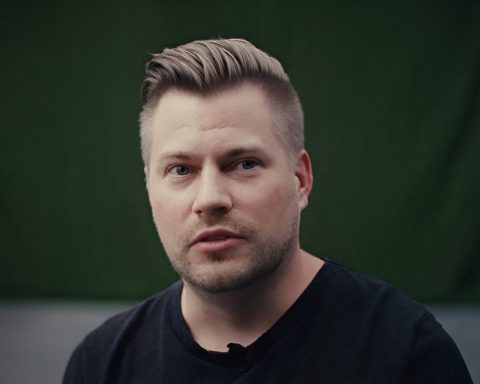


The wedding industry is built on emotion – but for decades, it was run on friction. Shan-Lyn Ma saw that contradiction clearly and decided to fix it. This is the story of how she built Zola by designing for trust, culture, and life’s most personal moments – and in the process, reimagined an entire industry.
Key Takeaways
- Great products start with emotional understanding, not just market size.
- Culture and product quality are inseparable at scale.
- Trust is the real moat in life-event-driven businesses.
- Legacy industries can be modernized without being disrespected.
- The best founders design for real life, not just metrics.
The Most Emotional Purchases, the Worst Experience
Few life moments are as emotional, expensive, and socially complex as a wedding.
And yet, for years, the tools around it were… terrible.
Wedding registries were fragmented across stores. Planning tools were spreadsheets. Guest lists lived in email threads. Couples juggled outdated websites, clunky checkout flows, and awkward coordination across families.
The wedding industry was massive – but it felt stuck in another decade.
Shan-Lyn Ma noticed something most people accepted as normal: the experience didn’t match the importance of the moment.
She wasn’t looking to disrupt romance. She was looking to remove friction from one of life’s most meaningful transitions.
That insight would become Zola.
Shan-Lyn Ma – A Product Leader Who Chose to Build for Emotion
Before she was a founder, Shan-Lyn Ma was a product leader.
She worked at Yahoo and Gilt Groupe, and later became Head of Product at the mobile payments startup Shopkick. Her career wasn’t built in marketing or branding – it was built in systems, user experience, and product decision-making.
But she also had a designer’s intuition: technology isn’t just about efficiency. It’s about how people feel while using it.
The idea for Zola didn’t come from a pitch deck. It came from lived experience.
Like millions of couples, Shan-Lyn and her co-founder (and husband), Nobu Nakaguchi, went through the wedding planning process and found it unnecessarily stressful, fragmented, and outdated. The tools didn’t talk to each other. The incentives were misaligned. The experience was designed for vendors – not for couples.
They saw an opportunity that was both obvious and surprisingly untouched:
What if you could design the wedding process the way Apple designs consumer products?
Simple. Integrated. Human.
This Wasn’t a Commerce Problem – It Was a Trust Problem
Most people looking at the wedding industry saw:
- A $70+ billion market
- A registry business
- A vendor marketplace
Shan-Lyn Ma saw something deeper:
- A moment of identity transition
- A moment of family coordination
- A moment of emotional vulnerability
Weddings aren’t just purchases. They’re social, symbolic, and personal.
And that meant the company that won wouldn’t be the one with the most vendors – it would be the one that earned the most trust.
Zola started as a registry. But from day one, the ambition was larger: to become the operating system for one of life’s biggest moments.
Building Zola: Product First, Always
Zola launched in 2013 with a radical idea for the time: a universal registry where couples could register for anything – physical products, experiences, or even cash funds – through a single, modern interface.
But that was just the entry point.
Under Shan-Lyn’s product leadership, Zola expanded into:
- Wedding websites
- Guest list management
- Invitations
- Seating charts
- Vendor discovery
- Planning tools
- E-commerce and logistics
But unlike many startups that bolt features on, Zola was built with integration as the core philosophy.
Everything talked to everything else.
Every feature reduced cognitive load.
Every design decision asked: Does this make a stressful moment calmer?
Culture as Strategy
What made Zola different wasn’t just the product. It was the culture behind the product.
Shan-Lyn Ma believed that:
You cannot build products for emotional moments without building an emotionally intelligent company.
Inside Zola, this showed up as:
- Deep user empathy
- Cross-functional respect between product, design, and ops
- Long-term thinking over short-term hacks
- A strong emphasis on craft, not just growth
In an industry full of middlemen, Zola positioned itself as a partner.
Reinventing a Legacy Industry Without Attacking It
One of Shan-Lyn Ma’s most underrated leadership qualities is how she chose to compete.
Zola didn’t declare war on the wedding industry. It didn’t frame itself as “tech vs tradition.”
Instead, it:
- Modernized infrastructure
- Improved discovery
- Simplified logistics
- Aligned incentives
- Removed friction
Vendors weren’t enemies. They were part of the ecosystem.
This allowed Zola to grow without alienating the industry it served – a rare and strategic restraint in Silicon Valley.
Scaling Without Losing the Soul
As Zola grew – raising hundreds of millions in funding and serving millions of couples – the hardest challenge wasn’t features or competition.
It was preserving the emotional quality of the experience at scale.
This is where Shan-Lyn’s culture-first leadership mattered most.
She consistently emphasized:
- Quality over speed
- Trust over extraction
- Brand over tactics
- Systems over heroics
In many ways, Zola behaves less like a marketplace and more like a public utility for life events.
Reinventing an Industry by Respecting It
Today, Zola is one of the most important companies in the modern wedding ecosystem.
It didn’t just build a better registry.
It re-architected the entire journey:
- From inspiration
- To planning
- To coordination
- To purchasing
- To memory-making
More importantly, it reset user expectations.
Couples now expect wedding planning to feel:
- Modern
- Integrated
- Calm
- Thoughtful
- Human
And that expectation shift is Zola’s real legacy.
More than that, Shan-Lyn Ma showed that product leadership and cultural leadership are not separate disciplines. They are the same discipline applied at different scales.
By building a company that treats life’s biggest moments with dignity and care, she proved something rare in tech:
You can build a large, valuable company without becoming emotionally shallow.
The Power of Designing for Real Life
Shan-Lyn Ma’s story isn’t just about weddings.
It’s about what kind of companies get built when founders take human experiences seriously.
She shows that:
- The biggest markets often hide in emotionally complex moments
- The best products reduce anxiety, not just clicks
- The strongest brands are built on trust, not growth hacks
- And the most durable companies are designed around life – not just transactions
In a tech industry obsessed with speed, Shan-Lyn Ma built something slower, deeper, and more lasting:
A company that doesn’t just process purchases – but helps people move through one of the most meaningful transitions of their lives.
That is not just product leadership.
That is cultural leadership disguised as software.
FAQs
Who is Shan-Lyn Ma?
She is the co-founder and CEO of Zola. She is known for her product-driven, culture-first approach to building consumer technology companies.
What is Zola best known for?
Zola is best known as an all-in-one wedding planning and registry platform. It integrates planning tools, e-commerce, and vendor discovery into a single experience.
What makes Zola different?
Zola stands out for its deeply integrated, emotionally thoughtful product experience. It focuses on reducing stress and complexity during one of life’s most important moments.
What is Shan-Lyn Ma’s leadership style?
Her leadership style is product-driven, culture-first, and empathy-led. She emphasizes long-term trust, craftsmanship, and user-centered design over short-term growth tactics.
What can founders learn from her?
Founders can learn to design companies around real human experiences, not just transactions. Her story shows that trust and emotional intelligence can become durable competitive advantages.
Sources: