


Key Takeaways
- Flow aims to vertically integrate housing, combining ownership, operations, and technology into one branded ecosystem.
- Community is the core product, reflecting Neumann’s thesis that loneliness is a solvable design problem.
- The model could set new expectations for rental experience, pushing landlords toward modern, tenant-first service.
- Flow’s tech layer is its differentiator, enabling flexible payments, digital management, and resident engagement.
- Success could redefine multi-family housing, turning rentals into lifestyle memberships rather than simple leases.
The Second Act
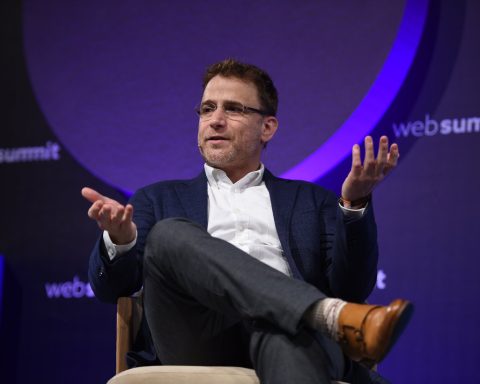
Adam Neumann‘s journey from WeWork to Flow – a proptech company – is a story of collapse followed by deliberate reinvention. After WeWork’s failed IPO and his forced exit, he stepped back from the spotlight but not from his core belief that community and experience could reshape real estate. Flow became his second act – a more disciplined, focused attempt to apply the lessons of WeWork to the housing market instead of the workplace.
Flow is attempting to redefine multi-family housing by merging real estate, community design, and tech-enabled living into a vertically integrated rental model – an ambitious bet to fix America’s broken housing experience.
A Housing Market Stuck in the Past
For decades, the U.S. rental market has looked almost identical: generic buildings, passive landlords, limited tenant engagement, and little incentive to modernize. The user experience has barely evolved despite soaring rents, demographic shifts, and rising demand for flexible, community-oriented living.
This gap between cost and value is massive. Renters now expect better service, more connection, and modern digital tools – but most multi-family owners still operate like it’s 1995. Even large REITs struggle to differentiate beyond location and amenities.
At the same time, remote work has fragmented the traditional idea of “home,” turning apartments into hybrid hubs for work, lifestyle, and community – a need the current market isn’t built to serve.
Enter: Flow, Adam Neumann’s ambitious attempt to rebuild housing from first principles.
A Branded, End-to-End Rental Ecosystem
While details remain guarded, Flow’s core proptech innovation lies in vertical integration – combining ownership, management, technology, and community under one brand.
1. Branded Living as a Product
Flow aims to make renting feel like joining a lifestyle brand, similar to how WeWork turned office space into an identity. Think: standardized design, curated aesthetics, and a recognizable “Flow experience” regardless of location.
2. Tech-Layered Property Management
Instead of the typical fragmented landlord-PM-tech relationship, Flow’s model unifies everything:
- digital tenant onboarding
- maintenance and service automation
- community engagement tools
- flexible payment structures
- identity-based resident profiles
This is property management built like a tech platform – not a spreadsheet.
3. Community-Centric Housing
Flow’s biggest philosophical bet mirrors WeWork’s early thesis: People are lonely, and real estate can fix it.
Flow proposes:
- shared spaces purpose-built for social interaction
- structured community events
- resident-to-resident networking
- “belonging as an amenity,” not an afterthought
If successful, Flow becomes part real-estate operator, part social ecosystem.
4. Ownership + Operations + Tech = Margin Stack
Neumann personally acquired thousands of rental units before Flow’s launch. This lets Flow:
- control pricing
- iterate on product experience
- capture value across the entire chain (owner → operator → tenant)
This bundling mirrors Tesla (vertical integration), Apple (controlled ecosystem), and WeWork (brand-first real estate) – the three playbooks Neumann studies obsessively.
5. The $350M a16z Signal
Flow remains the single largest individual investment in Andreessen Horowitz history. Their thesis: housing is the largest consumer market untouched by software. Flow wants to be the company that finally merges the two.
How Flow Could Reshape Renting
1. Consumerized Housing
If successful, Flow transforms rentals from a commodity into a consumer experience – similar to how Marriott unified hospitality. Renters get consistency, clarity, and community across properties.
By standardizing quality and layering in services, Flow could make “brand loyalty” a normal part of choosing where to live.
2. Pressure on Old-School Landlords
Traditional operators may be forced to modernize tech, upgrade tenant experience, and adopt community-building tools. A rising bar for service could reshape the entire category.
Those who fail to adapt may see higher vacancies as renters gravitate toward better-designed, higher-touch living environments.
3. Institutional Capital Goes Lifestyle
If branded housing outperforms traditional units, REITs and private equity may shift investment toward experience-driven living. The “proptech premium” becomes real.
Large investors could begin valuing buildings not just on occupancy and rent but on engagement metrics, retention, and brand equity.
4. New Expectations for Tenant Rights + Flexibility
Flow’s model could normalize:
- month-to-month flexibility
- loyalty programs for residents
- co-living hybrids
- digital-first leasing
This blurs the line between renting and membership.
As these features become standard, tenants may demand more transparency, portability, and personalization across the rental market.
5. A New Playbook for Urban Living
Flow hints at a future where your apartment is:
- your coworking space
- your social hub
- your networking platform
- your financial identity
- your long-term community
It’s the “super-app” concept – applied to real estate. In this model, physical space becomes the foundation for a holistic lifestyle ecosystem rather than just a place to sleep.
A High-Risk, High-Reward Reinvention
Flow sits at the intersection of proptech, community building, hospitality, and brand-driven real estate. If Neumann executes, he could create the first consumer brand in multi-family housing – and a blueprint for the next generation of living.
But challenges remain:
- regulatory pressure on housing
- skepticism from investors burned by WeWork
- operational complexity at scale
- balancing community-building with tenant privacy
- proving that lifestyle housing is a sustainable, profitable model
Neumann’s comeback story depends on whether he can architect a system that avoids the cultural pitfalls of his previous venture while keeping the ambition that made WeWork a global force.
The bet is bold. The industry is ripe. And the opportunity – massive.
If Flow succeeds, it won’t just build apartments. It will rebuild the emotional, social, and technological fabric of renting itself.
FAQs
1. What problem is Flow trying to solve?
Flow wants to modernize the outdated rental experience by merging proptech, community, and branded living.
2. How is Flow different from traditional landlords?
It vertically integrates property ownership, management, and digital services – like a hospitality company for long-term housing.
3. Is Flow connected to WeWork?
Only in philosophy. It shares DNA in community design, but it is structurally and operationally separate.
4. Why did a16z invest so heavily in Flow?
Andreessen Horowitz believes housing is the largest consumer market untouched by software – and Flow could be the category-maker.
5. What is the long-term vision for Flow?
To create the first global brand for residential living – standardized, community-driven, and powered by tech.
Sources:
- https://en.wikipedia.org/wiki/Adam_Neumann
- https://en.wikipedia.org/wiki/Flow_(real_estate_company)
- https://a16z.com/announcement/flow/
- https://proptechconnect.com/adam-neumanns-flow-raised-over-100m-at-2-5b-valuation/
- https://www.thegentlemansjournal.com/article/the-billion-dollar-loser-the-rise-and-fall-of-wework-adam-neumann/
Photo credit: TechCrunch / Wikimedia Commons / CC BY 2.0 (link)