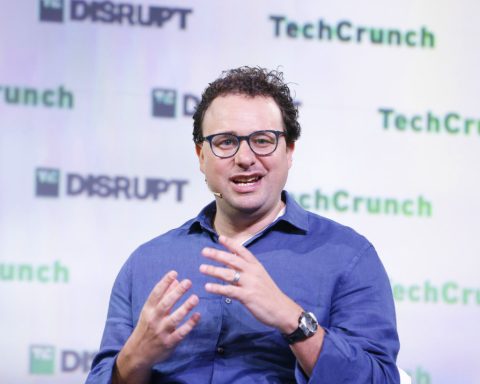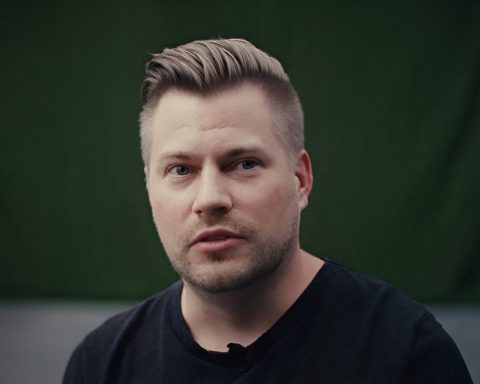


As automation accelerates, machines are becoming central to how work gets done, yet ownership remains concentrated among large corporations and institutions. Mauricio Zolliker, Co-Founder and CEO of Xmaquina, challenges this model by rethinking not just how machines operate, but who owns and benefits from them. Through Xmaquina, he is building a framework where robotics and AI systems can be collectively owned, coordinated, and scaled through distributed technologies.
Key Takeaways
- Mauricio Zolliker is rethinking automation by focusing on ownership, not just capability.
- Xmaquina enables shared machine ownership through tokenization.
- DAOs provide a new model for coordinating decentralized systems.
- Blockchain acts as a transparent infrastructure layer for trust and verification.
- The future of automation may depend on who owns and benefits from machines.
Ownership as the Next Layer of Automation
Most discussions about automation focus on capability – how intelligent machines are becoming and what tasks they can perform. Mauricio Zolliker‘s perspective shifts the conversation toward ownership.
Rather than asking what machines can do, Xmaquina asks:
Who controls them – and who captures their value?
At the center of this approach is the idea of decentralized infrastructure, where control is not held by a single entity but distributed across a network. This model draws on concepts from Web3, including blockchain (a shared digital ledger that records transactions transparently across participants) to coordinate ownership and activity.
In this sense, the next evolution of automation may not be purely technological – but economic.
By reframing automation through the lens of ownership, Zolliker introduces a more holistic view of innovation. This perspective suggests that technological progress alone is insufficient without corresponding evolution in how systems are structured and governed.
The Concentration of Machine Ownership
Today’s automation landscape is largely centralized. Robots, AI systems, and industrial automation tools are typically owned by:
- Large enterprises;
- Technology platforms;
- Institutional operators.
This creates an imbalance:
- Efficiency gains are widely distributed;
- Economic benefits are concentrated.
As automation expands, this gap becomes more pronounced.
This concentration of ownership is not unique to robotics but reflects a broader pattern across digital platforms and infrastructure. As a result, alternative models like decentralized systems are gaining attention as potential counterbalances to centralized control.
The Innovation: Distributed Machine Networks
Xmaquina introduces a model where machines can be owned and managed collectively.
1. Tokenized Machine Ownership
Xmaquina uses tokenization – the process of representing ownership of an asset as digital tokens – to allow multiple participants to share ownership of machines.
Instead of a single company owning a robot, ownership can be distributed across a network of contributors. This lowers barriers to entry and enables broader participation in the economics of automation.
2. DAO-Based Coordination
The platform leverages DAOs (Decentralized Autonomous Organizations) – internet-native organizations governed by rules encoded in software – to coordinate decision-making.
This means that participants can collectively determine how machines are deployed, maintained, and monetized. Governance becomes transparent and programmable, rather than centralized and opaque.
3. Blockchain as Coordination Layer
At the foundation is blockchain infrastructure, which provides a secure and transparent way to track ownership, transactions, and system activity.
Rather than relying on a central authority, the network itself verifies and records interactions. This creates trust through system design rather than institutional control.
How Xmaquina Works in Practice
Xmaquina does not build or directly own humanoid robots. Instead, it operates as a capital allocation and coordination layer, deploying funds into leading robotics and AI companies through a decentralized structure.
At the center is the DEUS token, which grants governance rights to participants. Token holders vote on how the DAO treasury is deployed – deciding which projects receive funding and how resources are allocated across the ecosystem.
This effectively turns Xmaquina into a community-governed investment network, where capital flows are determined collectively rather than by a centralized investment committee. In doing so, it opens access to early-stage robotics opportunities that are typically limited to institutional investors.
Its portfolio reflects a deliberate focus on the humanoid robotics and Physical AI stack, including Apptronik (Apollo), 1X Technologies (NEO), Agility Robotics (Digit), Figure AI, Neura Robotics, and Robotico. These investments cover multiple layers – from hardware and AI to data and infrastructure – creating diversified exposure to the future of machines.
Rather than focusing on a single product, Xmaquina builds at the ecosystem level. This allows it to support innovation across different segments while reducing dependence on any one technology or company.
Crucially, the model creates a feedback loop between governance and execution. As projects evolve, the DAO can continuously reallocate capital, making the system adaptive, dynamic, and collectively directed over time.
Comparison: Traditional vs. Distributed Machine Ownership
| Dimension | Traditional Model | Xmaquina’s Model |
|---|---|---|
| Ownership | Centralized (single entity). | Distributed across participants. |
| Access | Limited to large organizations. | Open to a broader network. |
| Coordination | Managed internally. | Governed through decentralized systems (DAOs). |
| Transparency | Limited visibility. | Transparent via blockchain records. |
| Economic Participation | Concentrated. | Shared among contributors. |
This comparison illustrates how Xmaquina shifts the focus of automation from purely technological advancement to structural redesign. While traditional models centralize ownership and decision-making within organizations, they often limit who can participate in and benefit from machine-driven value creation.
Xmaquina’s distributed approach, enabled by mechanisms like tokenization and blockchain-based coordination, opens the system to a broader network – transforming machines from privately controlled assets into shared economic infrastructure.
What This Shift Means
This comparison highlights how Xmaquina moves beyond improving machines themselves to rethinking the systems around them. While traditional models concentrate control and value within organizations, Xmaquina distributes both through network-based ownership and coordination. The result is a framework where automation becomes not just more powerful, but more accessible and participatory.
It also signals a move toward more modular and participatory systems, where individuals can engage with infrastructure in new ways. This could redefine how value is created and distributed in increasingly automated environments.
Expanding Participation in Automation
Xmaquina’s model introduces new possibilities for how automation integrates into the economy.
Economic Level
By enabling shared ownership, more individuals and organizations can participate in the value created by machines. This could shift automation from a centralizing force to a distributing one, depending on how widely such models are adopted.
Technological Level
The integration of robotics, AI, and blockchain creates a new category of infrastructure. Machines are no longer isolated tools – they become part of interconnected, programmable networks.
Strategic Level
Zolliker’s approach reframes automation as not just a technical challenge, but a structural one. Who owns the machines may ultimately matter as much as what the machines can do.
As these models evolve, they may influence not only technology adoption but also policy and regulation. Governments and institutions may need to adapt to new forms of ownership and coordination that do not fit traditional frameworks.
The Founder’s Perspective: Systems Thinking Beyond Technology
Mauricio Zolliker approaches innovation from a systems perspective. Rather than focusing solely on building better machines, he examines the broader structures that define how technology is deployed and who benefits from it.
One that operates at the intersection of technology, economics, and governance.
This systems-level thinking reflects a growing trend among innovators who look beyond products to the structures that shape their impact. It highlights the importance of designing not just technologies, but the ecosystems in which they operate.
Future Outlook: Machines as Shared Infrastructure
As automation becomes more pervasive, questions of ownership and coordination will become increasingly important. Future systems may not be defined solely by performance, but by how they are structured and governed.
Xmaquina’s model suggests a possible direction:
- Machines as shared assets
- Networks as operators
- Value distributed across participants
In this vision, automation evolves from a tool of efficiency into a platform for broader economic participation.
If widely adopted, such models could lead to a more decentralized and resilient technological landscape. This would mark a shift from platform dominance toward network-based ecosystems that distribute both control and opportunity.
FAQs
1. Who is Mauricio Zolliker?
Mauricio Zolliker is the founder of Xmaquina. He focuses on building systems that combine robotics, AI, and decentralized technologies. His work explores how ownership models can evolve alongside technological progress. This positions him at the intersection of infrastructure innovation and economic system design.
2. What is Xmaquina?
Xmaquina is a platform that enables shared ownership and coordination of machines. It combines robotics with blockchain-based infrastructure to create distributed systems. The goal is to make participation in automation more accessible. In doing so, it introduces a new model for how machines can function within networked economies.
3. What does tokenization mean in this context?
Tokenization refers to representing ownership of assets as digital tokens. In Xmaquina’s model, this allows multiple participants to own shares of machines. It creates a more flexible and inclusive ownership structure. This approach also enables easier transfer and management of ownership across a distributed network.
4. What is a DAO?
A DAO (Decentralized Autonomous Organization) is a system where rules and decisions are managed through code rather than centralized leadership. It allows groups to coordinate activities transparently. In this case, it helps manage how machines are operated and governed. This structure reduces reliance on traditional hierarchies while increasing visibility into decision-making processes.
5. Why is decentralization important for automation?
Decentralization distributes control and ownership across a network rather than concentrating it in a single entity. This can lead to more inclusive economic participation. It also introduces new ways of coordinating complex systems at scale. Over time, this may help balance the distribution of value created by automation technologies.
Sources: