

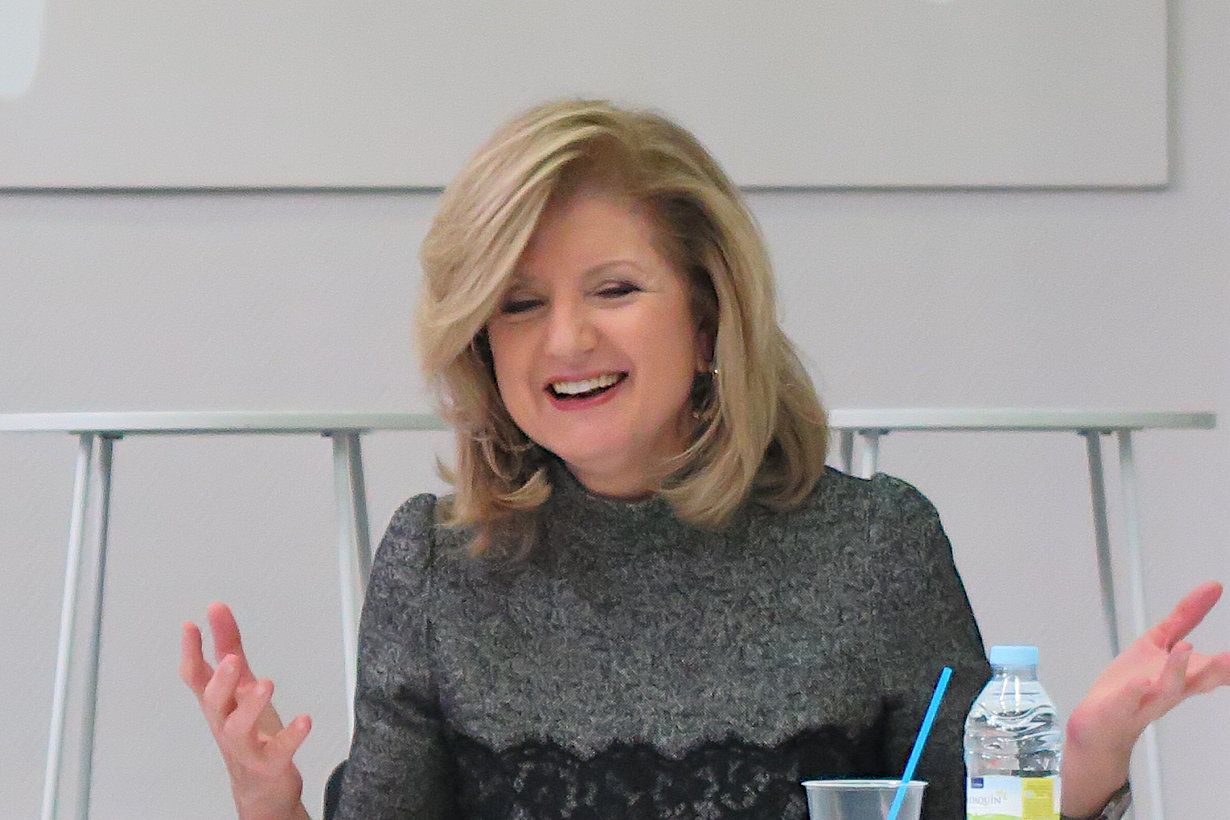
Burnout has become a defining challenge of modern leadership, yet it’s still treated as a personal weakness rather than a systemic failure. Arianna Huffington argues that exhaustion is not the cost of ambition, but the result of leadership choices that ignore human limits. Read on to explore how her perspective is reshaping leadership culture – and what today’s leaders must change to build sustainable success.
Key Takeaways
- Burnout reflects leadership design, not personal failure. Cultures that reward constant urgency and overwork inevitably produce disengagement and ethical risk.
- Energy, not time, is a leader’s most finite resource. Sleep, recovery, and cognitive clarity directly affect decision quality and long-term performance.
- Leaders shape culture through signals, not slogans. Everyday behaviors – emails, meetings, boundaries – define what teams believe is truly valued.
- Redefining success strengthens, rather than softens, organizations. Sustainable performance depends on well-being, trust, and resilience, not endurance alone.
- The future of leadership is humane and systemic, not heroic. Leaders who design for sustainability will outperform those who rely on personal sacrifice.
When Arianna Huffington Realized Success Was Undermining Leadership
For decades, leadership success was defined by endurance: longer hours, relentless ambition, and the quiet glorification of exhaustion. Burnout was framed as a personal weakness – a failure to keep up with the demands of high performance. Arianna Huffington challenged that belief with an uncomfortable truth: burnout is not an individual problem, but a leadership failure.
Her argument is simple but disruptive. When leaders design cultures that reward constant availability and chronic overwork, they don’t create high performance – they create fragility. In a world of accelerating complexity, the cost of burnout is no longer hidden. It shows up in decision fatigue, ethical lapses, broken cultures, and declining trust.
Huffington’s leadership legacy is not rooted in building another media empire. It lies in redefining what sustainable leadership actually looks like.
A Personal Collapse at the Peak of Power
In 2007, Arianna Huffington was at the height of her influence. The Huffington Post was growing rapidly, her public profile was soaring, and she embodied the archetype of modern success. Then, one afternoon, she collapsed from exhaustion – breaking her cheekbone and waking up in a pool of blood.
That moment became a leadership reckoning.
Huffington later described the incident not as a health scare, but as a wake-up call about the cultural myths she had internalized. She realized she had been optimizing for two metrics – money and power – while ignoring a third dimension of success: well-being.
This insight would shape her second act. After The Huffington Post was acquired by AOL, Huffington founded Thrive Global, a company built around one radical idea: human energy is the most undervalued leadership asset in modern organizations.
Rather than framing well-being as self-care or lifestyle advice, she positioned it as a leadership responsibility – one that directly affects performance, ethics, and long-term resilience.
Burnout Is a Systemic Outcome, Not a Personal Failure
One of Huffington’s most important leadership contributions is reframing burnout as a structural issue.
Leaders often respond to burnout by offering individual solutions: meditation apps, wellness stipends, or resilience workshops. Huffington argues these are insufficient if the underlying system still rewards constant urgency, late-night emails, and performative busyness.
Burnout, in her view, is an outcome of misaligned incentives.
When leaders model exhaustion as commitment, they teach teams that rest is weakness. When availability is equated with dedication, boundaries disappear. Sustainable leadership requires designing systems – workflows, expectations, communication norms – that protect human limits.
Leadership, then, is less about motivation and more about architecture.
Energy Management Matters More Than Time Management
Traditional leadership emphasizes time optimization: productivity hacks, tighter schedules, faster execution. Huffington introduces a different lens: energy management.
She argues that leaders don’t fail because they lack time – they fail because they deplete their cognitive and emotional energy. Sleep deprivation alone, she notes, impairs decision-making, increases risk tolerance, and reduces empathy – qualities no leader can afford to lose.
At Thrive Global, this philosophy is operationalized through small, behavior-based changes: email curfews, meeting-free time blocks, and leadership modeling that normalizes rest.
The lesson is clear: leaders set the emotional and biological tone of their organizations. How they treat their own energy signals what is acceptable for everyone else.
Culture Is Shaped by What Leaders Tolerate
Huffington’s leadership philosophy places unusual emphasis on micro-behaviors.
Culture, she argues, is not defined by values printed on walls, but by what leaders consistently tolerate – or challenge – in daily interactions. A single late-night email from a CEO can undermine months of wellness messaging. A leader who boasts about sleeping four hours sends a louder signal than any policy.
Effective leadership requires self-awareness at the behavioral level.
Huffington encourages leaders to see themselves as cultural amplifiers. Every action is multiplied through the organization. In this sense, leadership is less about intention and more about discipline.
Redefining Success Is a Strategic Act
Perhaps Huffington’s most enduring leadership insight is that redefining success is not philosophical – it’s strategic.
She proposes a new definition built on four pillars: well-being, wisdom, wonder, and giving. While critics initially dismissed this as idealistic, the business case has become harder to ignore. Burnout-driven attrition, disengagement, and ethical failures carry real economic costs.
Leaders who redefine success around sustainability gain an advantage: clearer thinking, stronger trust, and cultures capable of long-term execution.
In volatile environments, resilience outperforms intensity.
The Future of Leadership Is Humane, Not Heroic
Huffington rejects the heroic model of leadership – the tireless individual who carries the burden alone. She argues that this model is outdated, exclusionary, and ultimately ineffective.
Modern leadership, she suggests, is humane. It recognizes limits, designs for recovery, and values collective strength over individual sacrifice. This shift doesn’t lower standards – it raises them.
The leaders of the future won’t be admired for how much they endure, but for how well they enable others to thrive.
The True Cost Leaders Can No Longer Ignore
Arianna Huffington’s leadership legacy is not about slowing down ambition. It’s about making ambition survivable.
In an age where burnout is widespread and trust in leadership is fragile, her message is both urgent and practical: leaders shape not only outcomes, but lives. The cost of ignoring human limits is no longer abstract – it’s measurable, cultural, and reputational.
The most effective leaders of the next decade will not be those who work the longest hours, but those who design systems that allow people – and organizations – to endure.
Leadership, Huffington reminds us, is not proven by exhaustion – but by sustainability.
FAQs
Who is Arianna Huffington?
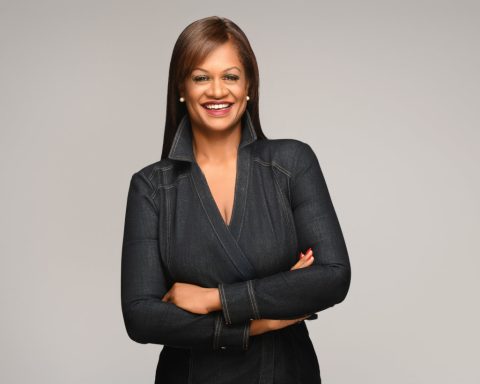
Arianna Huffington is the co-founder of The Huffington Post and the founder of Thrive Global. She is a leading voice on leadership, burnout, and redefining success in modern organizations.
What leadership lesson is Arianna Huffington best known for?
She is best known for reframing burnout as a leadership and systems issue rather than an individual weakness. Her work emphasizes sustainable performance over constant overwork.
What is Thrive Global?
Thrive Global is a behavior-change company founded by Huffington to help organizations improve well-being, productivity, and resilience. It works with enterprises to redesign leadership norms around human energy.
Why does Arianna Huffington focus so much on sleep and well-being?
Huffington argues that sleep deprivation undermines judgment, empathy, and ethical decision-making. For leaders, protecting well-being is a strategic responsibility, not a personal luxury.
What can leaders learn from Arianna Huffington today?
That sustainable leadership requires designing systems that respect human limits while enabling long-term performance. Her work shows that resilience is a competitive advantage, not a constraint.
Sources:
- https://grokipedia.com/page/Arianna_Huffington
- https://www.linkedin.com/in/ariannahuffington
- https://www.linkedin.com/pulse/redefining-success-arianna-huffington-jacqueline-novogratz-tulie/
Photo credit: US Embassy Madrid / Wikimedia Commons / CC BY 2.0 – cropped (link)