


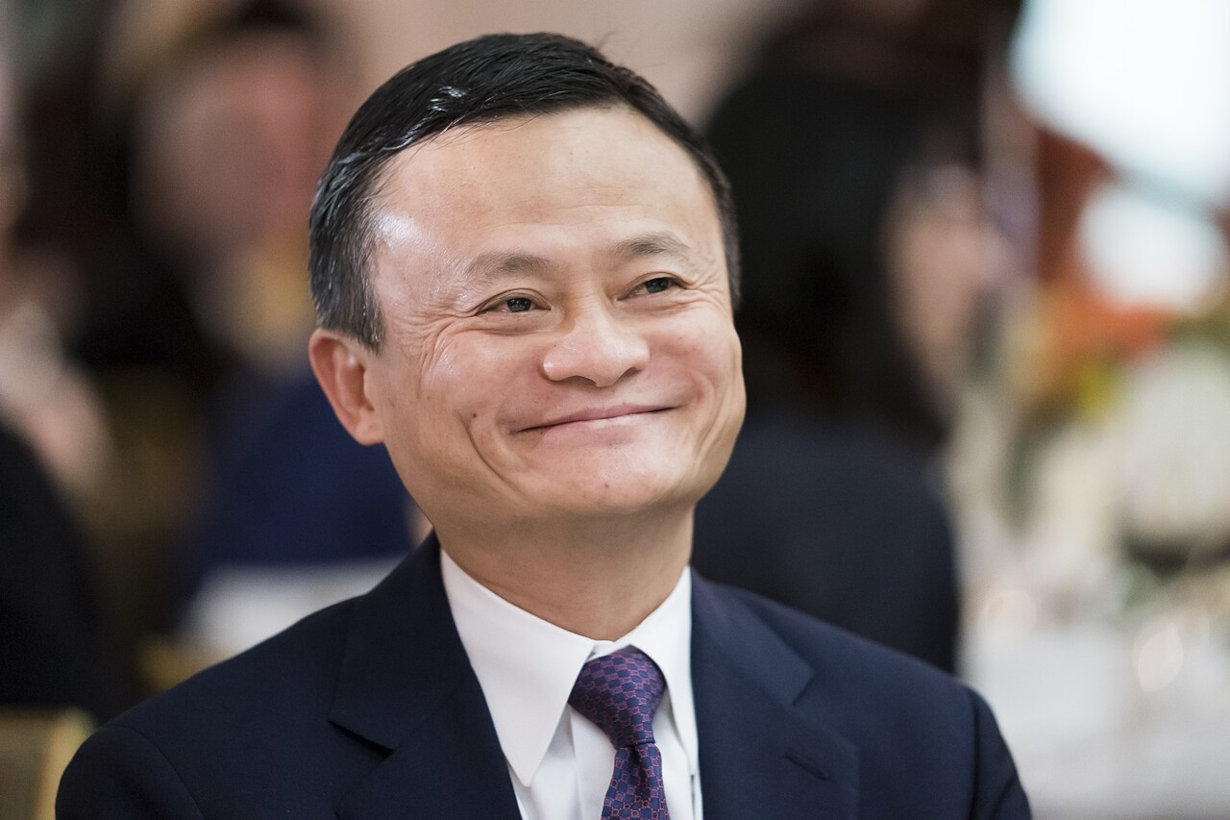
Leadership stories often celebrate visibility, confidence, and the ability to command attention. Jack Ma mastered all three. From classrooms to global stages, he turned belief into momentum and optimism into one of the world’s most influential technology companies. Yet the most valuable leadership lesson in Jack Ma’s journey does not come from Alibaba’s rise, but from what happened after success was secured. His story offers a rare look at how leadership must change when scale, power, and institutional responsibility begin to outweigh charisma and personal conviction.
Key Takeaways
- Charisma accelerates early momentum, but long-term leadership depends on building systems, governance, and decision-making structures that do not rely on a single personality.
- Leadership visibility must be actively managed at scale, because what a leader says publicly can shape regulatory risk, organizational trust, and long-term stability far beyond internal audiences.
- Founders who want their organizations to endure must eventually decentralize influence, allowing leadership authority and credibility to live within the institution rather than the individual.
- Effective leadership requires reading context as carefully as reading markets, since shifts in regulation, power dynamics, and public expectations can redefine what responsible leadership looks like overnight.
- The most durable leadership legacies are measured not by personal prominence or applause, but by how resilient and self-sustaining the organization remains when the leader steps back.
Charisma Builds, Leadership Sustains
Charisma can build an empire. Leadership maturity determines whether that empire endures.
Few business leaders embodied belief as powerfully as Jack Ma. A former English teacher with no technical background, Ma built Alibaba not through code or capital, but through storytelling, optimism, and an almost theatrical confidence in the future. For years, that approach worked spectacularly. Alibaba became a symbol of China’s entrepreneurial rise and Jack Ma became its most recognizable face.
But leadership is not static. What fuels early momentum can later become a constraint. Jack Ma’s story is not about failure – it is about a leadership transition that never fully arrived. And in that gap lies one of the most important leadership lessons of the modern era.
The Rise and Fall of Jack Ma
Jack Ma’s rise defied conventional logic. Rejected repeatedly – from jobs, universities, and early business ventures – he compensated with something rarer than credentials: conviction. When Alibaba launched in 1999, it had no clear competitive advantage beyond belief. Ma convinced employees to work for vision instead of salary and persuaded partners to trust a future few could clearly see.
As Alibaba grew, Ma’s leadership style became inseparable from the company’s identity. He was not just the founder; he was the narrator. His speeches blended humor, philosophy, and optimism. Investors loved him. Employees rallied around him. Media amplified him.
By the time Alibaba went public in 2014, Jack Ma was no longer just a CEO – he was a symbol of Chinese innovation itself.
And that visibility worked – until it didn’t.
As Alibaba expanded into finance, data, and infrastructure, its influence grew alongside regulatory scrutiny. In 2020, a public speech criticizing financial regulators marked a turning point. Shortly afterward, Ma’s fintech firm Ant Group’s record-breaking IPO was halted, and Jack Ma largely disappeared from public view.
The moment wasn’t about a single speech. It was about leadership posture in a new phase of scale – where institutions matter more than personalities.
A Quiet Comeback: Make Alibaba Great Again
In 2025, Jack Ma has begun to re-emerge – not as a public celebrity CEO, but as a strategic presence shaping Alibaba’s next chapter. While he holds no formal executive title, he has been spotted on company campuses and is described by people familiar with the business as more involved than he has been since stepping down in 2019.
Reports indicate that Ma has been influential in refocusing the company’s strategic priorities, especially around artificial intelligence and cloud services, areas that Alibaba’s leadership has identified as essential to future growth.
This return is subtle rather than sensational: Ma is not leading from the front, but he is involved behind the scenes, nudging priorities and decision-making at a time when Alibaba is navigating a highly competitive tech landscape. His influence reportedly extends to major investment decisions – such as allocating substantial capital toward AI infrastructure over the next several years – and even personnel shifts that aim to unify commerce and technology units.
This nuanced return highlights another dimension of leadership: the ability to shift roles thoughtfully as both the leader and the organization evolve. It also reframes Ma’s trajectory not as a retreat or a comeback in the media glare, but as a recalibrated way to influence and sustain impact in a different leadership mode.
The Leadership Lessons from Jack Ma
1. Charisma Is a Catalyst, Not a Foundation
Jack Ma’s charisma was a superpower in Alibaba’s early years. It inspired teams, attracted partners, and helped the company survive when resources were scarce. But charisma does not scale indefinitely.
As organizations mature, leadership must shift from belief-building to system-building. Processes, governance, and institutional trust become more important than individual persuasion. Leaders who fail to evolve risk becoming a bottleneck rather than a force multiplier.
Leadership takeaway: What made you effective at the start may limit you at scale. Know when to trade inspiration for infrastructure.
2. Visibility Is a Choice – and a Responsibility
Jack Ma understood the power of being visible. He used public appearances to motivate employees and frame Alibaba’s mission. But visibility is not neutral. At scale, every word shapes perception, risk, and consequence.
In highly regulated or politically sensitive environments, leadership visibility must be calibrated – not amplified. The most effective leaders learn when to speak loudly and when to let the institution speak for itself.
Leadership takeaway: Influence grows with visibility – but so does accountability. Strategic restraint is a leadership skill.
3. Founders Must Eventually Reduce Themselves
One of the hardest leadership transitions is learning when less of you creates more resilience for the organization. Jack Ma stepped down as executive chairman in 2019, but his symbolic presence remained deeply intertwined with Alibaba’s identity.
True institutional leadership requires founders to fade – not disappear, but decentralize influence so the company can stand independently. When leadership remains personality-driven for too long, the organization inherits the founder’s strengths and their vulnerabilities.
Leadership takeaway: Legacy leadership is not about staying relevant – it’s about making yourself unnecessary.
4. Context Defines the Boundaries of Leadership
Leadership does not exist in a vacuum. Market structure, regulation, culture, and power dynamics all shape what is possible. Jack Ma’s approach thrived in a period of rapid growth and regulatory openness. As the environment shifted, the same behaviors carried different implications.
Great leaders don’t just read markets – they read context. They adapt tone, posture, and presence to changing conditions.
Leadership takeaway: Leadership excellence is situational. What works in one era can backfire in the next.
Does Jack Ma Fail?
Jack Ma did not fail as a leader. He succeeded so completely that the nature of leadership around him changed.
His story reminds us that leadership is not about being right forever – it’s about evolving before circumstances force the change. The quietest leaders are often the most enduring ones. They know when to step forward, and when stepping back is the most powerful move of all.
FAQs
What leadership lesson does Jack Ma’s story offer most clearly?
That leadership must evolve as organizations scale. What inspires early success – charisma, boldness, personal visibility – can become a liability if it isn’t adapted to institutional leadership demands.
Why did Jack Ma step back from public life?
His retreat reflected changing regulatory and power dynamics, where personal visibility became less compatible with organizational stability. It highlighted how leadership posture must shift as companies move from growth phases into systemically important roles.
Is charisma a weakness in leadership?
No – charisma is often a powerful early-stage leadership asset. However, without strong systems and governance, charisma can concentrate risk around a single individual rather than strengthening the organization.
What can founders learn from Jack Ma today?
Founders can learn that timing matters as much as vision. Knowing when to adjust leadership style – or step back entirely – can protect both the company and the legacy of its founder.
How can leaders balance influence with restraint at scale?
By recognizing that leadership influence doesn’t always require visibility. At scale, restraint, delegation, and letting institutions speak often create more long-term trust than personal presence.
Sources:
- https://en.wikipedia.org/wiki/Jack_Ma
- https://www.cnbc.com/2019/06/04/alibabas-jack-ma-almost-everyone-can-be-successful.html
- https://medium.com/@GlobalTimesSingapore/jack-ma-the-rise-reckoning-and-repositioning-of-chinas-most-symbolic-entrepreneur-64acc098c39d
- https://www.reuters.com/markets/europe/how-billionaire-jack-ma-fell-earth-took-ants-mega-ipo-with-him-2020-11-05/
- https://www.businesstimes.com.sg/international/jack-ma-returns-vengeance-make-alibaba-great-again
- https://www.benzinga.com/markets/tech/25/09/47688498/jack-ma-back-at-alibaba-whats-going-on
Photo credit: Foundations World Economic Forum / Wikimedia Commons / CC BY 2.0 (link)