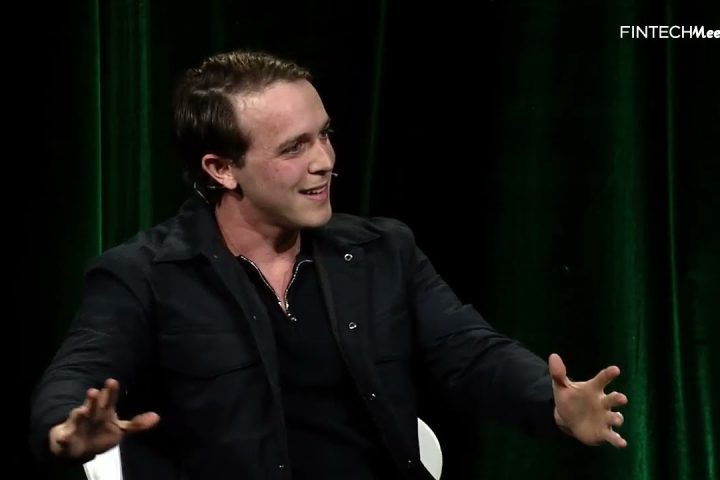



Leadership is no longer confined to boardrooms or internal company structures. In the digital era, influence is increasingly built in public, shaped through content, conversation, and audience trust. Steven Bartlett represents this shift. As an entrepreneur, investor, and media operator, his leadership model reflects how visibility and distribution have become strategic assets.
Key Takeaways
- Steven Bartlett demonstrates that controlling distribution channels can significantly amplify a leader’s influence and business opportunities.
- Attention, when paired with credibility, becomes a scalable asset that extends beyond marketing into leadership strategy.
- Narrative framing plays a critical role in shaping market perception, trust, and long-term value.
- Owning media platforms provides independence from traditional gatekeepers and strengthens strategic flexibility.
- Public, iterative leadership enables faster feedback loops and continuous refinement of ideas and decisions.
Distribution Is a Leadership Advantage
Traditional leadership models rely on internal authority – titles, hierarchy, and operational control. Modern leadership operates across two layers: internal execution and external influence.
Steven Bartlett recognized early that distribution is not just a marketing function – it is a leadership capability.
Through his multiple ventures and widely followed podcast, he has built direct communication channels to millions. This audience is not incidental. It reinforces everything from brand positioning to deal flow.
The premise behind his approach is clear:
Leaders who control distribution influence how markets perceive value.
From Startup Founder to Media Operator
Bartlett first gained recognition as a young entrepreneur, co-founding Social Chain, a social media marketing company built on understanding how content spreads and captures attention at scale.
His leadership evolution, however, extended beyond marketing into media ownership and platform building. He launched The Diary of a CEO, now one of the most widely followed business podcasts globally, positioning it as both a content platform and a strategic distribution channel.
The show has featured high-profile guests including Elon Musk, Richard Branson, Mo Gawdat, and Simon Sinek, among others. These conversations extend Bartlett’s influence beyond his own ventures, reinforcing his role as a curator of ideas and a connector across industries.
In parallel, Steven Bartlett has expanded his role as both an operator and investor. He is the founder or co-founder of businesses including Flight Story and Steven.com, and has built an investment portfolio spanning more than 70 companies across technology, consumer, and wellness sectors. This combination of operating and investing further positions him at the intersection of media, entrepreneurship, and capital.
This combination of operating experience and capital allocation further reinforces his position as a leader operating at the intersection of media, entrepreneurship, and investment.
Bartlett’s strategy: Rather than separating business operations from public presence, Bartlett integrated the two.
His content platform became a feedback loop:
- It attracts attention
- Builds credibility
- Expands network access
- Creates deal flow for investments
This integration reflects a shift from traditional leadership to media-native leadership.
Insight #1: Attention Is an Economic Resource
In digital markets, attention functions as currency. Leaders who can consistently capture and retain it gain leverage across multiple domains – hiring, partnerships, capital, and brand positioning.
Bartlett treats attention as a strategic resource rather than a vanity metric. By producing high-frequency, high-quality content, he ensures sustained visibility. That visibility compounds over time, increasing optionality across ventures.
For business leaders, the implication is direct: Attention, when paired with credibility, becomes a scalable advantage.
This shift reflects a broader structural change in how businesses grow. In earlier models, distribution was largely rented through advertising or intermediaries.
Today, leaders like Steven Bartlett treat audience ownership as a core asset. By building direct relationships with millions of followers, Bartlett reduces reliance on third-party channels and creates a repeatable advantage across ventures.
Attention, in this sense, becomes both a defensive moat and an offensive growth engine.
Insight #2: Narrative Shapes Perception of Value
Markets are not purely rational. Perception influences valuation, trust, and opportunity.
Through long-form interviews and personal storytelling, Bartlett actively shapes narratives – both his own and those of his guests. This narrative control allows him to position ideas, businesses, and individuals within broader cultural conversations.
Leadership, in this context, involves more than decision-making. It includes framing. Executives who understand narrative dynamics can influence how their organizations are perceived before outcomes are fully realized.
This dynamic is particularly relevant in early-stage and media-driven markets, where perception often precedes measurable outcomes. Bartlett’s long-form content allows for deeper storytelling, which builds context around ideas, businesses, and individuals. By consistently framing conversations around growth, failure, and decision-making, he reinforces credibility over time.
For leaders, this highlights that narrative is not manipulation – it is interpretation. Those who articulate their vision clearly can shape how others understand and engage with it.
Insight #3: Media Ownership Extends Leadership Reach
Owning distribution channels creates independence. Bartlett’s investment in media platforms reduces reliance on traditional gatekeepers – press, advertising channels, and third-party platforms. This independence allows for direct communication with audiences, faster feedback loops, and greater control over messaging.
For leaders, this represents a broader shift: Media is no longer separate from business. It is infrastructure. Organizations that treat media as a core capability gain long-term strategic flexibility.
Owning media channels also changes the speed at which leaders can operate. Instead of waiting for external validation or coverage, Bartlett can introduce ideas, test positioning, and gather feedback in real time. This shortens the distance between strategy and market response. It also creates a self-reinforcing ecosystem, where content drives audience growth, which in turn expands distribution capacity.
Over time, this reduces dependency on traditional marketing structures and increases strategic autonomy.
Insight #4: Modern Leadership Is Public and Iterative
Bartlett operates in public. His ideas, decisions, and perspectives are continuously shared, tested, and refined through content. This creates a more iterative leadership model.
Instead of static positioning, leadership becomes dynamic – adapting based on audience response, market shifts, and ongoing learning. While this visibility introduces risk, it also accelerates growth. Feedback cycles shorten. Insights compound faster.
The leadership lesson: Transparency, when managed effectively, can become a mechanism for continuous improvement.
Leadership Beyond the Organization
Steven Bartlett’s model expands leadership beyond organizational boundaries. His influence is not limited to the companies he operates. It extends through audiences, conversations, and networks built via media.
This reflects a broader shift in how leadership functions.
In a digital environment, leadership is defined not only by execution, but by communication and reach. Leaders who build direct relationships with audiences gain a structural advantage that compounds over time.
Visibility, in this context, is not optional. It is strategic.
FAQs
1. Who is Steven Bartlett?
Steven Bartlett is an entrepreneur, investor, and media operator, best known as the founder of Social Chain and the creator of The Diary of a CEO podcast. He has built a large global audience through content, which he leverages to support his business ventures and investments.
2. What is The Diary of a CEO?
The Diary of a CEO is a long-form podcast created by Steven Bartlett that features in-depth conversations with entrepreneurs, executives, and thought leaders. The show explores topics such as business strategy, leadership, and personal development, and has become a key platform through which Bartlett builds influence and engages a global audience.
3. Why is Steven Bartlett considered a modern leader?
Bartlett represents a new generation of leaders who combine business operations with media influence. His leadership extends beyond traditional company structures into audience-building, content distribution, and narrative shaping.
4. How does social media contribute to Steven Bartlett’s leadership?
Social media provides Bartlett with direct access to a global audience, allowing him to communicate ideas, build trust, and influence perception at scale. This direct distribution channel enhances his ability to create opportunities across multiple ventures.
5. What can business leaders learn from Steven Bartlett?
Leaders can learn the importance of owning their narrative, building distribution channels, and engaging with audiences directly. His approach highlights how visibility and communication can become core components of modern leadership strategy.
Sources:
- https://en.wikipedia.org/wiki/Steven_Bartlett_(businessman)
- https://uk.linkedin.com/in/stevenbartlett-123
Photo credit: Steven Bartlett / Wikimedia Commons / CC BY 4.0 – cropped (link)