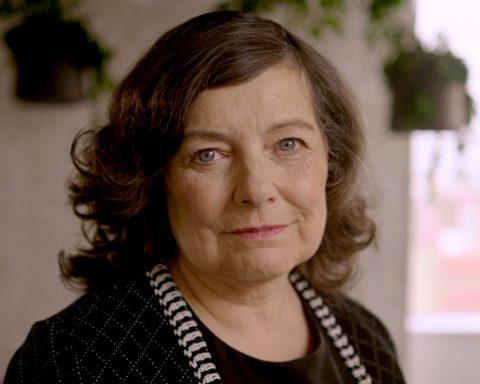


Building a successful consumer brand takes more than creating a product people like. It requires understanding customers, developing a distinctive identity, and finding ways to turn individual purchases into lasting relationships. Kendra Scott built her namesake jewelry company around these principles, starting with just $500 and a small collection of handmade designs in Austin, Texas. What began as a home-based business eventually grew into a major lifestyle brand with a national retail presence.
Key Takeaways
- Kendra Scott launched her jewelry business in 2002 with $500, relying on personal selling and relationships with local boutiques to find her first customers.
- Her distinctive use of color, natural stones, and recognizable designs helped establish a brand identity in a competitive jewelry market.
- The company’s Color Bar experience gave customers an opportunity to personalize jewelry and helped differentiate its retail strategy.
- Scott expanded the business through wholesale partnerships, e-commerce, physical stores, and new product categories while maintaining a strong connection with customers.
- Her journey demonstrates the value of resilience, customer-focused branding, and philanthropy, while also showing why founders must adapt as their companies grow.
From an Early Business Attempt to a New Beginning
Kendra Scott’s entrepreneurial journey began before the jewelry company that eventually made her widely known. Born in Kenosha, Wisconsin, Scott developed an interest in creativity and business at a relatively young age. At 19, she started a hat boutique in Austin, Texas, after temporarily leaving college to pursue the opportunity.
The business did not become profitable and eventually closed. Although it was an early setback, the experience gave Scott a first look at the practical challenges of running a retail business. She learned about selling products, understanding customers, and managing the responsibilities that come with operating a small company.
Her next major venture would come several years later, and it would be built around a product category she understood personally: jewelry.
In 2002, shortly after the birth of her first son, Scott launched her namesake jewelry business with $500. She began working from a spare bedroom in her Austin home, creating designs that reflected her interest in color, natural stones, and distinctive shapes.
The timing was not necessarily convenient. She was balancing the demands of a young family with the uncertainty of starting a business, and she did not have the resources of an established retailer. But she had a product idea, a willingness to sell directly, and the determination to see whether customers would respond.
That modest beginning became the foundation of the Kendra Scott brand.
Building a Business One Boutique at a Time
Scott’s first challenge was finding customers. Without a substantial marketing budget or an established retail network, she had to introduce her products directly to potential buyers.
She began visiting boutiques around Austin, carrying her jewelry in a tea box and presenting the designs to store owners. This was a practical approach to early-stage sales: rather than waiting for customers to discover the brand, she went directly to retailers who already understood the local market.
The strategy also gave her an opportunity to receive immediate feedback. Boutique owners could tell her which designs attracted attention, what customers were looking for, and which products might work in their stores.
This direct contact helped Scott understand the importance of relationships in the retail business. Selling jewelry was not simply about producing attractive pieces. It involved helping retailers feel confident about carrying the collection and giving customers a reason to remember the brand.
The early business grew through these relationships and word of mouth. Customers who liked the jewelry could recommend it to friends, while retailers could introduce the designs to shoppers who might not otherwise have encountered the company.
This approach helped establish a foundation without requiring the large advertising budgets typically associated with major consumer brands.
Creating a Distinctive Product Identity
The jewelry market is highly competitive. Many businesses sell earrings, necklaces, bracelets, and other accessories, which means a new brand needs a clear reason for customers to choose it.
Scott’s answer was a distinctive design approach centered on color, natural materials, and recognizable shapes.
Her collections used colorful gemstones and materials that allowed customers to find pieces suited to different styles and occasions. Rather than positioning the products exclusively as luxury jewelry, the brand offered designs that could be worn regularly while still feeling distinctive.
Color became an important part of the company’s identity. It helped the products stand out visually and made the brand easier to recognize across retail displays, marketing campaigns, and online channels.
Scott also paid attention to the way jewelry was presented and sold. The objective was not simply to create attractive accessories but to offer a shopping experience that felt welcoming and accessible.
This focus on product identity became an important competitive advantage. In a crowded category, a recognizable aesthetic can help customers associate particular design choices with a specific brand.
It also creates opportunities for repeat purchases. Customers who connect with a brand’s style may return for new collections, gifts, or pieces that complement what they already own.
Expanding Beyond Wholesale
Wholesale partnerships helped introduce Kendra Scott jewelry to customers, but Scott eventually recognized the importance of having a more direct relationship with consumers.
Selling through other retailers can provide access to established customer bases, but it also means a brand has less control over the entire shopping experience. Store presentation, customer service, product selection, and the relationship after a purchase may depend on the retail partner.
Opening its own stores gave Kendra Scott greater control over these elements.
The company’s first standalone retail store opened in Austin in 2010. Physical stores allowed customers to experience the brand directly, explore collections, and interact with employees who could help them select products.
The expansion into retail also created a different kind of relationship between the company and its customers. Instead of being one jewelry label among many in a department store, Kendra Scott could create an environment specifically designed around its products and identity.
E-commerce provided another important channel. Online shopping allowed the company to reach customers beyond the markets served by its physical stores, while giving existing customers a convenient way to explore new collections.
Over time, the business developed a broader omnichannel presence, combining wholesale, company-owned retail locations, and online sales.
This combination helped the company expand its reach while maintaining greater control over how customers encountered the brand.
The Color Bar: Making Jewelry Personal
One of Kendra Scott’s more recognizable retail innovations is its Color Bar experience.
The concept allows customers to customize certain jewelry designs by selecting colors, materials, and other available options. Rather than choosing only from finished products, shoppers can participate in creating a piece that reflects their personal preferences.
This approach gives the shopping experience an interactive element. It also changes the role of the store from simply being a place to purchase jewelry into a setting where customers can take part in the design process.
Personalization can be commercially valuable for several reasons. Customers may feel more connected to products they have helped customize, and the experience can encourage visits for special occasions, group activities, and gift purchases.
The Color Bar also supports the brand’s broader identity. Color was already central to Scott’s design philosophy, so allowing customers to choose their own combinations made that characteristic part of the shopping experience.
It is an example of how a retailer can differentiate itself without relying exclusively on product features or pricing. The experience surrounding a purchase can become part of the value customers associate with a brand.
Scaling Into a Lifestyle Brand
As the company grew, Kendra Scott expanded beyond its original jewelry collections.
The business entered additional categories, including fine jewelry, home décor, beauty products, watches, and accessories. These moves reflected an effort to build a broader lifestyle brand rather than remain limited to fashion jewelry.
The expansion created opportunities to reach customers through different products and price points. It also increased the complexity of running the company. Each new category required product development, sourcing, inventory planning, marketing, and an understanding of different customer expectations.
The company’s growth attracted outside investment as well. In 2016, Kendra Scott Design announced a partnership with private equity firm Berkshire Partners. Scott remained the majority shareholder and CEO at the time, while the investment was intended to support the company’s next stage of growth.
In 2024, Singapore-based 65 Equity Partners acquired a minority stake in the business, while earlier investors exited. The investment was reported at a valuation exceeding $1 billion, reflecting the scale the company had achieved.
Outside capital can help a founder accelerate expansion, but it also introduces additional considerations. Investors expect a business to pursue growth while maintaining operational discipline and creating long-term value.
For a consumer brand, this means balancing product development, retail expansion, customer loyalty, and financial performance. The challenge becomes increasingly complicated as the business moves from a small founder-led operation into a larger organization.
Family, Fashion, and Philanthropy
Scott has consistently described the company’s philosophy through three pillars: Family, Fashion, and Philanthropy.
Family reflects the importance she places on personal relationships and the realities of balancing business responsibilities with family life. Her own experience of starting the company shortly after becoming a mother has remained part of the story behind the brand.
Fashion represents the company’s focus on design, creativity, and products that allow customers to express their personal style.
Philanthropy reflects Scott’s belief that a business should contribute to the communities in which it operates. The company has supported causes involving women, children, education, health, and entrepreneurship through donations, fundraising activities, and community partnerships.
In 2019, Scott founded the Kendra Scott Women’s Entrepreneurial Leadership Institute at The University of Texas at Austin. The institute was established to support women and creative entrepreneurs through education, leadership development, and access to a broader entrepreneurial community.
In 2023, she also launched the Kendra Scott Foundation, focusing on women and youth in areas including health and wellness, education, and entrepreneurship.
These initiatives give her philanthropic work a more structured presence beyond individual charitable contributions. They also connect the company’s business identity with a broader effort to support future generations of leaders.
Stepping Back From the CEO Role and Taking on New Responsibilities
As Kendra Scott grew, the responsibilities of leading the company changed. A founder who once handled product design, sales, and customer relationships directly eventually has to oversee a much larger organization with specialized teams and executives.
In 2021, Scott stepped down as CEO and moved into the role of executive chairwoman and chief creative officer. Tom Nolan became CEO, while Scott continued to focus on the brand’s creative direction, customer experience, product development, and philanthropy.
The transition did not mean she was leaving the business. Her role remained central to its identity, particularly because the company continued to carry her name.
In August 2025, following the departure of Nolan and other senior executives, Scott returned as interim CEO while the company considered its next leadership structure.
In January 2026, the company appointed Chris Blakeslee as CEO. Scott continued as chief visionary officer, executive chairwoman, and majority shareholder. She also expanded her public profile through entrepreneurship and television, becoming a permanent Shark on ABC’s Shark Tank ahead of its eighteenth season.
These changes illustrate an important aspect of founder-led businesses: the founder’s responsibilities can evolve several times as the company matures. Remaining influential does not always require holding the CEO title. In Scott’s case, her ongoing ownership and creative leadership allow her to help shape the brand while an experienced executive manages day-to-day operations.
What Entrepreneurs Can Learn From Kendra Scott
1. Start With What You Can Actually Build
Scott did not begin with a large production facility, a national retail strategy, or a major marketing budget. She started with a small collection of jewelry and $500.
The important lesson is not that every business can be built with minimal capital. It is that entrepreneurs can begin by testing a product and finding customers before committing to a much larger operation.
2. Personal Selling Can Provide Valuable Market Feedback
Going door to door to introduce her jewelry gave Scott direct access to retailers and potential customers. These conversations helped her understand which products attracted attention and how the business could improve.
Early customer relationships can provide insights that are difficult to obtain from market research alone.
3. A Recognizable Brand Needs More Than a Logo
Kendra Scott became associated with colorful designs, recognizable shapes, and a distinctive shopping experience. These elements helped create a consistent identity across products, stores, and marketing.
A strong brand is built through repeated customer experiences, not simply through visual design.
4. Customer Experience Can Become a Competitive Advantage
The Color Bar illustrates how personalization and interaction can make a retail business more memorable. Entrepreneurs should consider the complete customer experience, including what happens before, during, and after a purchase.
In competitive markets, the experience surrounding a product can help distinguish a business from alternatives.
5. Growth Requires New Leadership and New Capabilities
Scott’s transition from CEO to executive chairwoman and later her return as interim CEO demonstrate how leadership responsibilities change as a company grows.
Founders must recognize when their businesses need additional management expertise, stronger operating systems, or a different organizational structure. The ability to adapt can be just as important as the ability to launch a company.
Conclusion
Kendra Scott’s journey from a $500 home-based jewelry business to a major lifestyle brand demonstrates how product identity, customer relationships, and retail experience can work together to build a recognizable company. Her early approach was straightforward: create distinctive jewelry, introduce it directly to retailers, and develop relationships with customers who appreciated the designs.
As the company expanded, Scott found ways to make the brand more than a collection of products. Its physical stores, online business, and Color Bar experience helped create a stronger connection with customers, while its philanthropic initiatives gave the company a broader purpose.
Her story is not simply about turning a small amount of money into a large business. It is about developing a clear product identity, listening to customers, and adapting the business as it grows. For entrepreneurs, the journey offers a practical reminder that sustainable brand building requires creativity, commercial discipline, and a willingness to evolve.
FAQs
Who is Kendra Scott?
Kendra Scott is an American entrepreneur, jewelry designer, and philanthropist. She founded her namesake jewelry company in Austin, Texas, in 2002 with $500 and developed it into a major lifestyle brand.
How did Kendra Scott start her business?
Scott launched her jewelry business from a spare bedroom in her home, creating designs with colorful stones and distinctive shapes. She initially sold her products by visiting local boutiques in Austin and introducing her collection directly to store owners.
What is Kendra Scott known for?
She is best known for building a jewelry and lifestyle brand recognized for its use of color, signature designs, and customer-focused retail experiences. The company also operates the Color Bar, which allows customers to personalize selected jewelry pieces.
What is Kendra Scott doing now?
Scott remains the company’s executive chairwoman, chief visionary officer, and majority shareholder. She also supports entrepreneurship and philanthropy through initiatives such as the Kendra Scott Women’s Entrepreneurial Leadership Institute and the Kendra Scott Foundation, and serves as a permanent Shark on ABC’s Shark Tank.
What can entrepreneurs learn from Kendra Scott?
Her experience highlights the importance of starting with a clear product idea, developing direct customer relationships, and building a recognizable brand. It also shows why entrepreneurs need to adapt their leadership approach and business operations as their companies expand.
Sources:
- https://finance.yahoo.com/news/kendra-scott-says-she-launched-145402453.html
- https://kswelinstitute.utexas.edu/about/kendra-scott/
- https://www.icsc.com/news-and-views/icsc-exchange/how-kendra-scott-turned-her-side-hustle-into-a-billion-dollar-brand
- https://berkshirepartners.com/kendra-scott-design-announces-investment-from-berkshire-partners/
- https://www.prnewswire.com/news-releases/kendra-scott-announces-chris-blakeslee-as-ceo-302653949.html
- https://www.65equitypartners.com/wp-content/uploads/2024/09/9.13_65-Equity-Partners-x-Kendra-Scott-Release_Final-vF.pdf