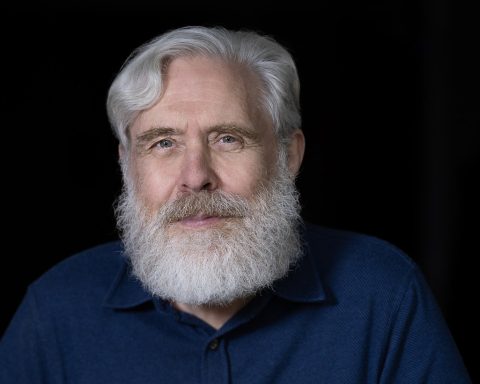


Seth Godin has spent decades challenging conventional ideas about marketing, creativity, and leadership. From building internet businesses to writing influential books and teaching millions of people through his daily blog, Godin has consistently argued that meaningful leadership comes from creating work that matters and having the courage to make it different.
Key Takeaways
- Remarkable work creates differentiation. Leaders should encourage teams to create products, services, and experiences that are genuinely worth noticing.
- Strong tribes create lasting influence. Businesses become more resilient when they build communities around shared values rather than simply pursuing mass audiences.
- Attention must be earned. Trust, relevance, and consistent value are more powerful long-term strategies than constantly interrupting customers and employees.
- Creative initiative drives innovation. Leaders should give people enough autonomy to solve problems and contribute ideas rather than simply follow instructions.
- Shipping turns ideas into impact. Meaningful progress happens when leaders encourage people to act, learn, and improve instead of waiting for perfect conditions.
Challenge Conventional Wisdom
Leadership does not always come from holding the highest position in an organization. Sometimes, it comes from changing how people think.
Seth Godin built his career around that idea. He has written more than 20 books, launched businesses, created educational platforms, and developed ideas that have influenced how entrepreneurs and executives think about marketing, creativity, and organizational culture.
What makes Godin particularly interesting as a leader is his willingness to challenge conventional wisdom. He has repeatedly encouraged people to stop trying to appeal to everyone, take meaningful risks, build communities around shared interests, and create work that deserves attention.
His career demonstrates that leadership can be exercised through ideas just as powerfully as through organizational authority.
Make Remarkability a Leadership Strategy
One of Godin’s most influential concepts is the idea of the “Purple Cow.”
The premise is simple: in a world filled with ordinary products, services, and messages, being merely good is no longer enough. Organizations need to create something remarkable – something distinctive enough that people notice it and want to talk about it.
For leaders, this represents a shift away from competing solely on efficiency or incremental improvement.
A remarkable organization gives customers, employees, and communities something worth remembering.
Godin’s philosophy suggests that leaders should ask a different question: not “How can we make this slightly better?” but “What could we create that would be genuinely difficult to ignore?”
Build Tribes Instead of Chasing Everyone
Godin’s thinking about “tribes” has also become central to modern leadership.
A tribe is essentially a group of people connected by a shared idea, belief, interest, or purpose. Leaders who understand this principle recognize that influence is not necessarily about reaching the largest possible audience.
Instead, it can be about creating a strong connection with the right audience.
This concept has become especially relevant in the digital economy, where entrepreneurs, creators, and companies can build communities without relying entirely on traditional media or mass advertising.
Effective leaders do not simply broadcast messages. They create movements that people want to join.
Replace Interruption With Permission
Godin helped popularize the concept of permission marketing through his 1999 book Permission Marketing.
Traditional advertising often interrupts people to capture their attention. Permission marketing takes a different approach by encouraging organizations to earn attention through relevance, trust, and ongoing value.
The principle extends beyond marketing.
Leaders also need permission to influence people. Employees, customers, and communities are more likely to listen when leaders have earned credibility rather than simply demanded attention because of their position.
Trust, therefore, becomes an organizational asset.
The lesson is particularly important in an era of information overload, where attention has become one of the world’s scarcest resources.
Embrace the Work of the Linchpin
In Linchpin, Godin argued that organizations need people who bring creativity, initiative, and emotional intelligence to their work rather than simply following instructions.
A linchpin is someone whose contribution is difficult to replace because they bring judgment and originality to what they do.
This creates an important leadership challenge.
Rather than building organizations around rigid processes that discourage individual thinking, leaders can create environments where employees are encouraged to solve problems, take ownership, and contribute ideas.
Godin’s philosophy effectively reframes employees from interchangeable resources into creative contributors.
That approach can strengthen both innovation and organizational resilience.
Make Shipping Part of the Culture
One of Godin’s recurring themes is the importance of actually finishing and releasing creative work.
Ideas are abundant. Execution is scarce.
Entrepreneurs and employees can spend years refining concepts, waiting for perfect conditions, or worrying about criticism. Godin argues that meaningful work requires people to “ship” – to put their ideas into the world and learn from the response.
For leaders, this means creating cultures where thoughtful experimentation is valued more than endless perfectionism.
A business that never launches, tests, learns, or adapts cannot create meaningful progress.
The willingness to ship also requires courage because completed work can be judged while unfinished ideas remain safely protected from criticism.
Lead Through Generosity
Godin’s leadership philosophy is also strongly connected to generosity.
His daily blog has provided years of free ideas, observations, and lessons to readers around the world. His educational work similarly emphasizes helping people develop their own ability to think, create, and lead.
This approach reflects a broader principle: influence grows when leaders give people something valuable before asking for something in return.
Generosity can build trust, strengthen communities, and establish credibility over time.
For modern businesses, that principle can translate into education, useful content, mentorship, open knowledge, and meaningful customer experiences.
Leadership Lessons from Seth Godin
Be Remarkable
Ordinary work is easily ignored, while distinctive work creates attention, conversation, and loyalty. Leaders should encourage teams to pursue meaningful differentiation rather than simply copying competitors.
Build a Tribe
Strong organizations create communities around shared values and purpose rather than trying to appeal to everyone. A clearly defined audience can become a powerful source of loyalty and long-term growth.
Earn Attention
Attention should be earned through relevance, trust, and value rather than captured through constant interruption. Leaders who respect people’s time and intelligence are more likely to build lasting influence.
Encourage Initiative
Organizations become stronger when employees are trusted to think, solve problems, and contribute creatively. Leaders should create environments where people feel responsible for outcomes rather than merely completing assigned tasks.
Ship the Work
Progress requires putting ideas into the world instead of endlessly waiting for perfection. Leaders can encourage experimentation by treating failure as information rather than automatically treating it as incompetence.
Choose Courage Over Comfort
Innovation inevitably involves uncertainty, criticism, and the possibility of failure. Great leaders help people accept discomfort as part of doing meaningful work.
Make Work Meaningful
People increasingly want their work to represent more than a paycheck or a set of performance metrics. Leaders who connect everyday responsibilities to a larger purpose can create stronger engagement and commitment.
Conclusion
Seth Godin’s career illustrates a different model of leadership – one based less on hierarchy and more on ideas, influence, creativity, and community.
From Yoyodyne and Squidoo to his books, blog, educational ventures, and decades of thought leadership, Godin has repeatedly reinvented himself while remaining focused on a central question: how can individuals and organizations create work that matters?
His answer is remarkably consistent. Leaders should be willing to stand out, earn attention, build communities, encourage initiative, and put meaningful work into the world.
In a business environment increasingly shaped by automation, artificial intelligence, and information overload, those principles may become even more valuable. When technology makes ordinary work easier to reproduce, the ability to create something distinctive, human, and meaningful can become one of a leader’s greatest competitive advantages.
FAQs
Who is Seth Godin?
Seth Godin is an American entrepreneur, author, marketing expert, and speaker known for influential ideas about marketing, leadership, creativity, and entrepreneurship.
What is Seth Godin best known for?
Godin is best known for books such as Purple Cow, Tribes, Permission Marketing, and Linchpin, as well as his influential daily blog and educational work.
What is Seth Godin’s leadership philosophy?
Godin emphasizes creativity, initiative, meaningful work, community building, earned attention, and the courage to challenge conventional thinking.
What does Seth Godin mean by a “Purple Cow”?
A “Purple Cow” represents something remarkable and distinctive enough to attract attention in a crowded marketplace.
Why is Seth Godin relevant to modern business leaders?
His ideas about differentiation, attention, tribes, creativity, and shipping work remain highly relevant as businesses compete in increasingly crowded and rapidly changing digital markets.
Source: