

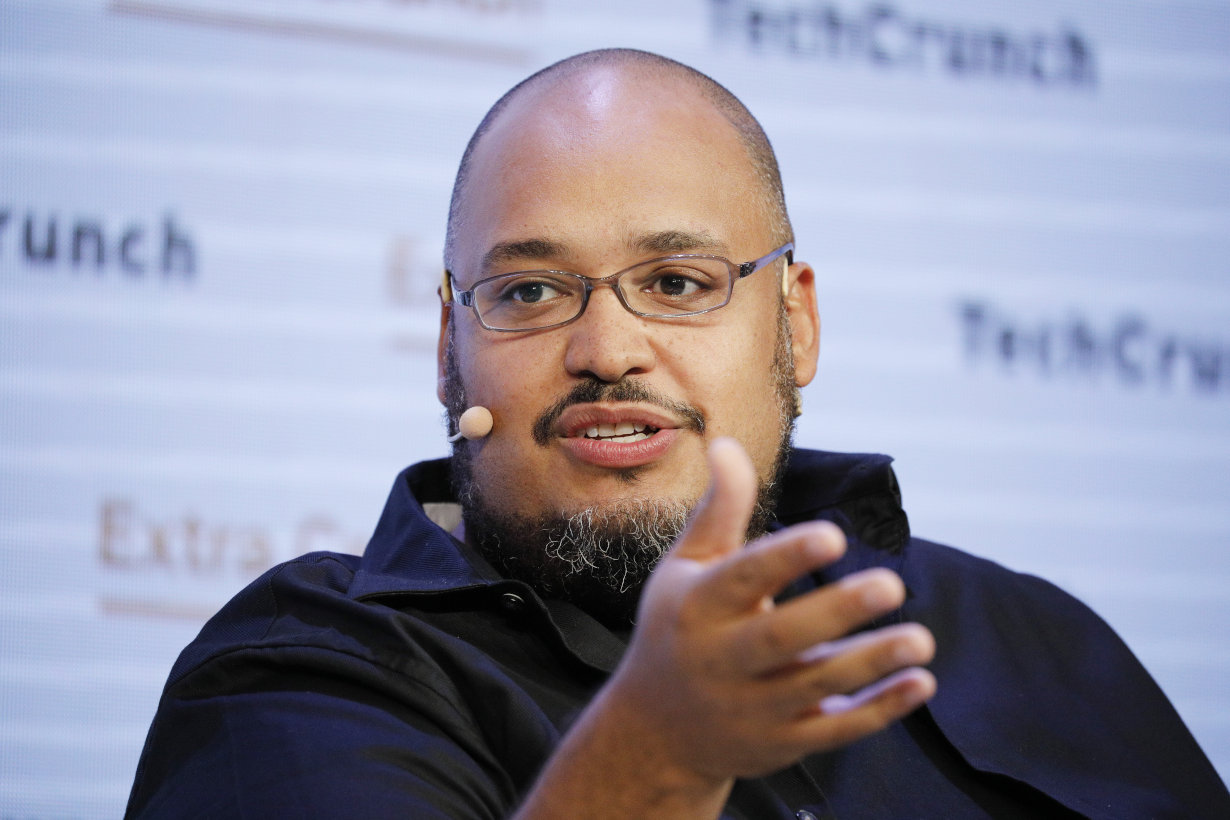
Some founders succeed because they invent entirely new technologies. Others succeed because they recognize cultural shifts earlier than everyone else. That distinction helps explain the career of Michael Seibel, the entrepreneur and startup mentor best known as a co-founder of Twitch, one of the most influential live-streaming platforms in internet history. His journey from political science graduate to startup founder and eventually one of Silicon Valley’s most respected startup mentors reflects the increasingly unconventional paths shaping modern technology leadership.
Key Takeaways
- Execution and adaptability can matter as much as technical expertise in startup building.
- Major technology companies often emerge through pivots rather than original business plans.
- Internet culture can become a scalable business opportunity when founders identify emerging behaviors early.
- Strong startup ecosystems are often shaped by operators who later become mentors and investors.
- Founder success increasingly depends on community-building as much as product development.
Building a Platform Before Live Streaming Was Mainstream
Today, live streaming is deeply integrated into internet culture. Gaming creators stream to millions of viewers, online personalities build businesses around real-time audiences, and platforms compete aggressively for creator attention and engagement.
But when Michael Seibel and his co-founders launched Justin.tv in 2007, the concept of continuously broadcasting life online still seemed experimental and unconventional. The company initially began as a “lifecasting” project centered around co-founder Justin Kan streaming his daily life 24 hours a day.
At first glance, the idea appeared niche – even strange – but underneath the experiment was a deeper insight: internet audiences increasingly wanted participation, immediacy, and real-time interaction rather than passive media consumption.
That insight would eventually evolve into Twitch, helping shape the future of digital entertainment and creator-driven media.
Long before the creator economy became a dominant business category, Seibel and his co-founders recognized that online communities were shifting toward more interactive forms of entertainment. Twitch ultimately became one of the clearest examples of that transformation.
From Political Science Student to Startup Founder
The rise of Michael Seibel did not follow the stereotypical Silicon Valley engineering path.
Born in Brooklyn and later raised in New Jersey, Seibel studied political science at Yale University, where he met future co-founder Justin Kan. During his time at Yale, he was active in student organizations, including the Black Student Alliance, experiences that helped shape his perspective on leadership and representation.
After graduation, Seibel initially worked in politics rather than technology, serving as finance director for Kweisi Mfume’s Senate campaign in Maryland. Although politics and startups may appear unrelated, the experience helped him develop communication, fundraising, organization, and leadership skills that later became valuable in entrepreneurship.
In 2006 and 2007, Seibel joined Justin Kan, Emmett Shear, and Kyle Vogt to launch Justin.tv. As CEO of Justin.tv during its formative years, Seibel helped guide the company through experimentation, uncertainty, and strategic adaptation.
Importantly, the company did not begin with Twitch as its primary focus. Justin.tv operated as a broader live-streaming platform before the gaming category began showing unusually strong engagement and community growth.
The pivot proved transformational, as the company recognized that gaming communities naturally aligned with live, interactive content where viewers wanted not only gameplay, but also personalities, communities, and shared real-time experiences.
This understanding helped Twitch emerge as a category-defining platform and eventually one of the most important companies in the live-streaming industry.
Helping Build the Live Streaming Economy
The eventual success of Twitch reflected broader changes in how audiences consumed media online. Traditional media operated through one-directional distribution models, while streaming platforms like Twitch introduced something far more participatory and community-driven.
Audiences no longer simply watched content; they interacted with creators in real time through chat systems, subscriptions, donations, and digital communities, fundamentally changing creator economics in the process.
Twitch helped establish many of the monetization and engagement models that later spread across the broader creator economy, influencing platforms ranging from YouTube to TikTok and beyond.
In 2014, Amazon acquired Twitch for approximately $970 million, validating live streaming as a major digital entertainment category. Although Michael Seibel had stepped away from day-to-day Twitch operations earlier, his role in the company’s early formation and strategic evolution remains significant.
Importantly, Seibel’s influence extended far beyond Twitch itself. After co-founding Socialcam – a mobile video-sharing startup later acquired by Autodesk – he joined Y Combinator, eventually becoming CEO of one of Silicon Valley’s most influential startup accelerators.
This second phase of his career expanded his impact from founder to ecosystem builder, allowing him to shape thousands of startups rather than just one company.
The Power of the Pivot
One of the most important aspects of Michael Seibel’s founder journey is the role of strategic pivots.
Many successful startups are remembered for their final products rather than their original concepts. Justin.tv itself began as a lifecasting experiment rather than a gaming empire, and Twitch emerged only after the team identified where audience behavior was strongest.
This highlights a critical entrepreneurial lesson: founders often succeed not because their first idea is perfect, but because they adapt intelligently to user behavior.
Seibel’s career repeatedly demonstrates this principle. Socialcam capitalized on the rise of mobile video before short-form video became dominant across social media, while at Y Combinator he frequently advised founders to focus intensely on user needs and product traction rather than startup mythology.
This operator mindset became central to Seibel’s reputation, as he developed credibility not through visionary branding or public mythology, but through execution, iteration, and practical startup guidance.
In many ways, Seibel represents a more grounded version of startup leadership – one centered on adaptability, operational thinking, and responsiveness to changing user behavior rather than grand narratives alone.
Twitch vs. Traditional Media Platforms
| Dimension | Twitch | Traditional Media |
|---|---|---|
| Audience Relationship | Interactive community | Passive viewers |
| Content Structure | Real-time streaming | Scheduled programming |
| Creator Model | Direct creator monetization | Centralized media control |
| User Engagement | Live chat and participation | Limited audience interaction |
| Growth Driver | Communities and creators | Broadcast distribution |
This shift helped explain why live streaming became one of the defining media trends of the digital era and why platforms centered around creators and communities gained enormous cultural influence.
Founder Identity: The Operator and Ecosystem Builder
What makes Michael Seibel especially interesting is that his influence extends beyond a single company.
While many founders become known primarily for one major exit, Seibel evolved into an important figure within the broader startup ecosystem through his leadership at Y Combinator. As CEO of YC from 2016 to 2024, he advised thousands of founders across industries ranging from AI and fintech to healthcare and enterprise software.
He also became one of Silicon Valley’s most visible advocates for founder accessibility and diversity within entrepreneurship.
This role reinforced another important aspect of his identity: he represents a nontraditional path into technology leadership. Unlike many Silicon Valley founders with elite engineering backgrounds, Seibel entered tech through political science, operations, communication, and execution.
His success demonstrates that startup leadership can emerge from broader skill sets beyond pure technical specialization.
His journey also highlights the importance of adaptability in modern entrepreneurship. From politics to live streaming, mobile video, startup investing, and accelerator leadership, Seibel consistently positioned himself near emerging shifts in internet behavior and startup culture.
Leadership Beyond Twitch: Building Startup Culture Through Y Combinator
Seibel’s years at Y Combinator arguably expanded his long-term influence even further.
Under his leadership, YC continued scaling into one of the world’s most powerful startup ecosystems, helping launch and mentor companies across multiple industries and geographies.
His advice to founders often emphasized product-market fit, user obsession, simplicity, rapid iteration, and resilience during uncertainty. This pragmatic philosophy closely mirrored his own founder experience.
Because Seibel had personally navigated pivots, experimentation, and uncertain early-stage growth, his mentorship carried operational credibility rather than purely theoretical insight.
He also became an important public figure for representation within Silicon Valley, particularly as one of the most prominent Black leaders in venture-backed technology. That visibility added another layer to his influence on startup culture and founder mentorship.
Through YC, Seibel helped shape not only individual companies, but also broader conversations around founder accessibility, startup discipline, and the realities of building modern internet businesses.
Internet Platforms Often Begin as Experiments
The story of Michael Seibel demonstrates how major internet platforms often emerge from experimentation rather than certainty.
Justin.tv began as an unconventional streaming experiment before evolving into Twitch, a platform that helped reshape digital entertainment and creator culture.
At the same time, Seibel’s broader career illustrates that startup influence can extend beyond individual exits. Through founding, mentoring, investing, and accelerator leadership, he helped shape multiple generations of internet entrepreneurship.
For founders, the lesson is powerful: the ability to adapt to user behavior may matter more than rigidly protecting an original idea, because some of the most important companies emerge not from perfect planning, but from recognizing where culture and technology are heading before the rest of the market does.
Ultimately, Seibel’s career reflects a broader shift in modern entrepreneurship, where successful founders increasingly combine operational execution, community understanding, and ecosystem influence to build lasting impact.
FAQs
Who is Michael Seibel?
Michael Seibel is an entrepreneur, investor, and startup mentor best known as a co-founder of Justin.tv and Twitch. He also served as CEO of Y Combinator from 2016 to 2024. Over the years, he became one of Silicon Valley’s most respected operators and mentors, particularly for early-stage founders navigating growth and pivots.
Was Michael Seibel the founder of Twitch?
Seibel was one of the co-founders of Justin.tv, which later evolved into Twitch as the gaming category became increasingly popular. He played a key role in the company’s early growth and strategic direction. Although Twitch later became more closely associated with leaders like Emmett Shear, Seibel remains an important part of the platform’s founding story.
What made Twitch successful?
Twitch succeeded by combining live streaming with highly interactive online communities. The platform transformed viewers from passive audiences into active participants within creator ecosystems. Its focus on gaming communities also helped establish many of the monetization and engagement models that later spread across the creator economy.
What is Y Combinator?
Y Combinator is one of Silicon Valley’s most influential startup accelerators, helping early-stage companies scale through funding and mentorship. Seibel became one of its most prominent leaders and advisors. During his time there, YC expanded its influence globally and continued producing many of the technology industry’s fastest-growing startups.
What can founders learn from Michael Seibel?
Founders can learn the importance of adaptability, execution, and responding closely to user behavior. His career also demonstrates that nontechnical founders can succeed through leadership, communication, and operational discipline. Seibel’s journey further highlights how experimentation and strategic pivots can sometimes become the foundation of billion-dollar companies.
Sources:
- https://en.wikipedia.org/wiki/Michael_Seibel
- https://en.wikipedia.org/wiki/Justin.tv
- https://www.britannica.com/topic/Twitch-service
- https://www.allamericanspeakers.com/celebritytalentbios/Michael+Seibel/424570
- https://www.businessinsider.com/amazon-buys-twitch-2014-8
- https://www.linkedin.com/posts/michael-seibel-co-founder-of-twitch-and-share-7165706119036841986-Enlz/
Photo credit: TechCrunch / Wikimedia Commons / CC BY 2.0 (link)