

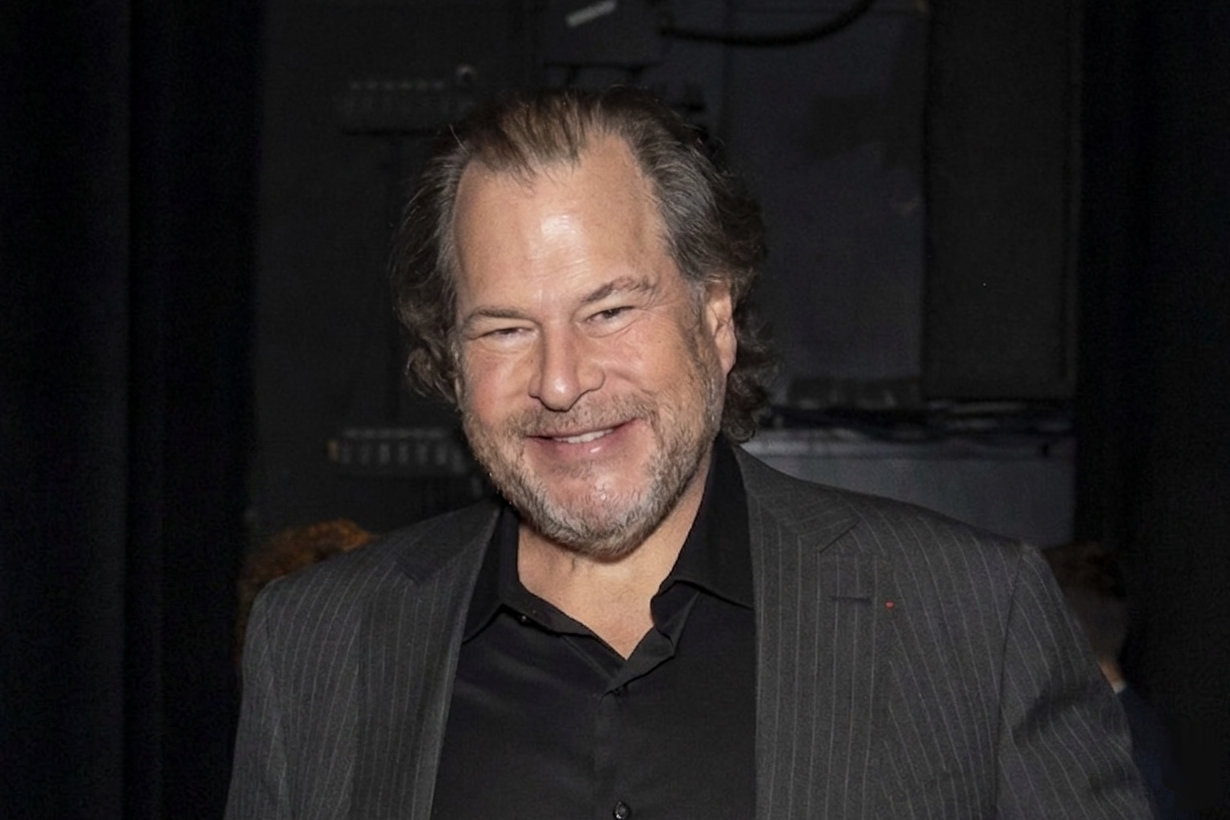
In modern business, leadership is increasingly expected to extend beyond financial performance. Marc Benioff represents a model where companies operate not just as economic entities, but as participants in broader social systems. His leadership illustrates how values, when embedded into strategy, can shape both organizational performance and external impact.
Key Takeaways
- Marc Benioff shows that aligning stakeholder interests can drive sustainable long-term value.
- Values must be embedded into systems and metrics to influence real organizational behavior.
- Trust functions as a critical economic and operational asset in digital businesses.
- Leadership at scale extends beyond the company into broader societal and policy influence.
- Innovation and values can reinforce each other when aligned through clear principles.
Business Is a Platform for Stakeholder Value
Traditional corporate models prioritize shareholders as the primary beneficiaries of business success. Marc Benioff challenges this hierarchy.
For Benioff, a company exists to serve multiple stakeholders – employees, customers, communities, and shareholders simultaneously.
At Salesforce, this philosophy is embedded into the operating model, most notably through the 1-1-1 framework: dedicating 1% of equity, product, and employee time to philanthropic initiatives.
The premise is clear:
Long-term value is maximized when stakeholder interests are aligned rather than prioritized in isolation.
This reframing expands the scope of leadership. Decisions are evaluated not only for financial outcomes, but also for their broader impact on society and organizational trust.
In this model, leadership becomes both economic and institutional.
As companies grow in influence, expectations from stakeholders increase. Benioff’s approach reflects a shift toward businesses acting as accountable participants in society, not just profit-generating entities.
Building Salesforce and Expanding Its Influence
Marc Benioff co-founded Salesforce in 1999, pioneering the software-as-a-service (SaaS) model at a time when enterprise software was dominated by on-premise solutions.
Under his leadership, Salesforce grew into one of the world’s leading enterprise software companies, shaping how organizations manage customer relationships and data.
Beyond its commercial success, Salesforce became a platform for advocating broader business principles. Benioff has been vocal on issues ranging from equality and climate change to corporate responsibility.
This dual role – as operator and advocate – has positioned Salesforce as more than a technology company. It operates as both a business and an institution influencing how modern corporations define their responsibilities.
This positioning reflects a broader shift in expectations. As companies gain scale and influence, stakeholders increasingly expect them to address societal challenges.
Insight 1: Values Must Be Operationalized
Many organizations articulate values, but fail to integrate them into decision-making. Benioff’s approach emphasizes operationalization.
At Salesforce, values are embedded into hiring practices, compensation structures, and performance metrics. Initiatives such as pay equity reviews and employee well-being programs reflect this integration.
This ensures that values are not symbolic – they influence behavior.
The key principle is that values must be measurable and actionable to have impact. Without integration into systems, values remain aspirational. With it, they become drivers of organizational consistency and trust.
This approach reduces the gap between intention and execution, making culture more predictable and scalable.
Insight 2: Trust Is a Strategic Asset
In digital economies, trust is increasingly critical. Customers share data, employees engage with systems, and partners collaborate across platforms. Trust underpins all of these interactions.
Benioff positions trust as a core product dimension at Salesforce. This extends beyond data security to include transparency, ethics, and corporate behavior.
The implication is significant:
Trust is not just reputational – it is operational and economic.
Organizations that build trust can deepen relationships, reduce friction, and sustain long-term engagement. In contrast, breaches of trust can quickly erode value and undermine competitive positioning.
Insight 3: Leadership Extends Beyond the Organization
Benioff’s leadership is not confined to Salesforce. He actively engages in public discourse, advocating for policy changes and corporate responsibility.
This reflects a broader view of leadership as influence across systems.
Executives of large organizations operate within interconnected environments – economic, social, and political. Their decisions and voices can shape outcomes beyond their companies.
Benioff embraces this role, positioning leadership as both internal management and external influence. While this approach carries risks, it also creates opportunities to align business success with societal progress.
Insight 4: Innovation and Values Are Not Opposites
A common assumption is that focusing on values may limit competitiveness. Benioff’s model suggests the opposite.
At Salesforce, innovation in cloud computing, AI, and enterprise platforms has occurred alongside a strong emphasis on values and stakeholder engagement. These elements are not in conflict – they reinforce each other.
Values can guide innovation by defining acceptable boundaries and priorities. This alignment helps organizations innovate responsibly while maintaining stakeholder trust.
Over time, this creates a more sustainable and resilient model of growth.
Closing: Leadership as Institutional Design
Marc Benioff’s leadership demonstrates that companies can function as institutions, not just market participants. By embedding values into operations, prioritizing trust, and engaging with broader societal issues, he has expanded the role of leadership in modern business.
This approach requires balancing competing interests and navigating complexity. It also demands consistency between stated values and actual decisions.
When executed effectively, it creates organizations that are not only successful, but also resilient and trusted.
In this model, leadership is not limited to driving performance. It is about shaping systems that align business success with broader impact.
FAQs
Who is Marc Benioff?
Marc Benioff is the co-founder and CEO of Salesforce, a leading enterprise cloud computing company. He is known for pioneering the SaaS model and advocating stakeholder-driven leadership. His influence extends beyond technology into shaping modern discussions around the role of business in society.
What is the 1-1-1 model?
The 1-1-1 model is Salesforce’s approach to philanthropy, dedicating 1% of equity, product, and employee time to community initiatives. It has been widely adopted by other companies as a framework for integrating social impact into business. This model demonstrates how giving can be structurally embedded into a company from its earliest stages.
What is Marc Benioff’s leadership style?
Benioff’s leadership style combines innovation with strong values and stakeholder focus. He emphasizes trust, transparency, and corporate responsibility as key components of business success. His approach reflects a belief that culture and ethics are integral to long-term competitive advantage.
Why is trust important in business?
Trust enables stronger relationships with customers, employees, and partners. It reduces friction in transactions and supports long-term engagement and growth. In digital environments, trust also underpins data sharing and platform adoption at scale.
What can leaders learn from Marc Benioff?
Leaders can learn to integrate values into operations, prioritize trust, and consider the broader impact of their decisions. His approach shows how businesses can align performance with societal contribution. It also highlights the importance of consistency between stated values and actual business practices.
Sources:
- https://en.wikipedia.org/wiki/Marc_Benioff
- https://www.forbes.com/profile/marc-benioff/
- https://www.salesforceben.com/salesforce-1-1-1-model-understanding-the-impact-of-the-pledge-1-initiative/
- https://www.crn.com/news/cloud/ceo-marc-benioff-salesforce-the-fastest-growing-enterprise-software-company-ever
- https://www.theceomagazine.com/business/coverstory/marc-benioff-social-responsibility/
Photo credit: DHSgov / Wikimedia Commons / CC0 – cropped & modified