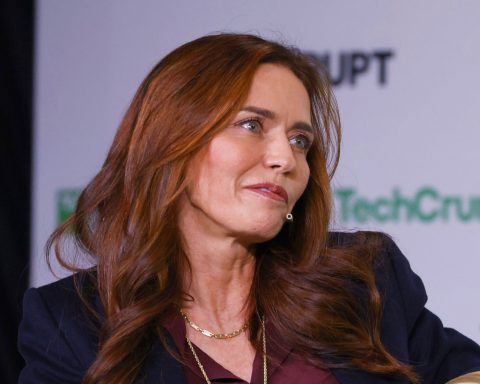


Venture capital has long relied on pattern recognition, favoring founders with elite credentials, strong networks, and proven track records – often excluding capable entrepreneurs. Elizabeth Yin set out to challenge this system by rethinking early-stage investing. Through Hustle Fund, she is building a model that prioritizes execution, accessibility, and founder support over pedigree.
Key Takeaways
- Elizabeth Yin is redefining early-stage investing through a founder-first approach.
- Hustle Fund focuses on “hilariously early” startups.
- The model prioritizes execution over pedigree.
- Community programs expand access to both funding and investing.
- The future of VC may be more inclusive and distributed.
Talent Is Widely Distributed, Capital Is Not
Traditional venture capital often relies on signals such as elite education, previous exits, and strong investor networks. Elizabeth Yin thinks that these signals are imperfect proxies for ability. These are why many high-potential founders are overlooked simply because they lack access, not capability.
By focusing on execution and early traction rather than background, she reframes how investors evaluate risk. This opens the door to a broader and more diverse pool of founders. It also enables faster identification of founders who can adapt and deliver results.
It also challenges the assumption that great companies only come from predictable profiles. Instead, it emphasizes that opportunity often exists where traditional systems are not looking. This shift encourages a more exploratory and less biased approach to investing.
Problem: The Limits of Traditional VC
The conventional VC model is optimized for larger checks, later validation, and pattern-matched founders. While this approach reduces perceived risk, it creates blind spots at the earliest stages.
Many founders face difficulty raising initial capital, limited access to networks, and lack of tactical support. This creates a bottleneck where promising ideas struggle to get off the ground.
As startup ecosystems expand globally, these limitations become more pronounced. The need for more inclusive and flexible capital models continues to grow.
Solution: Venture Capital as a Product
Hustle Fund rethinks venture capital not just as funding – but as a designed system. This approach treats investing as a structured experience that can be optimized and improved over time.
1. “Hilariously Early” Investing
Hustle Fund invests at the earliest possible stage, often before traditional metrics exist. This allows the firm to engage with founders at the idea or prototype phase.
This allows founders to access capital when it matters most. It also shifts the focus from validation to potential. Early support can significantly increase the chances of survival and iteration.
2. Founder-First Evaluation
Instead of relying heavily on pedigree, the firm evaluates founders based on execution and problem-solving ability. This prioritizes real-world performance over theoretical credentials.
This expands access to capital for non-traditional founders. It also increases the diversity of ideas entering the ecosystem. A broader founder base can lead to more innovative and varied solutions.
3. Tactical, Hands-On Support
Yin emphasizes practical guidance, especially in fundraising and early-stage operations. This includes actionable advice that founders can immediately apply.
This includes helping founders refine pitches and raise follow-on capital. Support becomes a core part of the value proposition. It transforms the investor-founder relationship into a more collaborative partnership.
4. Community-Driven Investing (Angel Squad)
Hustle Fund extends access to investing through its Angel Squad program. This opens the door for individuals who traditionally would not have access to venture investing.
This trains new investors and allows broader participation in early-stage deals. It democratizes not just funding, but also access to venture investing itself. As a result, both capital and knowledge become more widely distributed.
Comparison: Traditional VC vs. Hustle Fund Model
| Dimension | Traditional VC | Hustle Fund Model |
|---|---|---|
| Stage Focus | Seed to growth stages. | Pre-seed / earliest stages. |
| Founder Criteria | Pedigree and pattern matching. | Execution and potential. |
| Check Size | Larger, fewer bets. | Smaller, more distributed bets. |
| Support | Strategic, limited. | Tactical, hands-on. |
| Access | Exclusive networks. | Inclusive and community-driven. |
What This Shift Means
This comparison highlights how Hustle Fund reframes venture capital from a gatekeeping system into an enabling platform. Instead of filtering founders based on background, it focuses on unlocking potential at the earliest stages.
It also suggests a broader shift in how capital is deployed. By lowering barriers and increasing participation, the model expands the range of ideas that can be explored and funded.
Over time, this could reshape the startup ecosystem by making it more accessible, dynamic, and globally distributed.
Impact: Expanding the Founder Pipeline
Yin’s approach has tangible effects across the ecosystem. It reshapes not only who gets funded, but how innovation itself is surfaced and supported.
Founder Level
More founders gain access to early capital. This reduces friction at the starting point of company building. It also encourages more experimentation. As a result, founders can test ideas faster and iterate with less financial pressure.
Investor Level
Programs like Angel Squad bring new participants into venture investing. This lowers the barrier to entry for individuals interested in startup investing.
This diversifies the investor base and spreads knowledge. It also creates new pathways for capital formation. A more diverse investor pool can lead to broader perspectives in funding decisions.
Ecosystem Level
The overall startup ecosystem becomes more inclusive. This inclusivity increases the range of ideas and industries being explored.
More ideas are tested, and more founders are supported. This increases the likelihood of discovering unexpected, high-impact companies. Over time, this can lead to a more resilient and innovative startup landscape.
The Founder’s Perspective: Practical, No-BS Execution
Elizabeth Yin brings a strong operator background to her work. Before founding Hustle Fund, she built and exited LaunchBit, giving her firsthand experience with the challenges founders face.
Her approach emphasizes practical advice over theory. She focuses on what actually helps founders succeed in the earliest stages.
This perspective shapes Hustle Fund’s hands-on model, where support is actionable, direct, and grounded in real-world experience.
Future Outlook: Capital as Infrastructure
As startup ecosystems evolve, venture capital itself may become more productized and accessible.
- More distributed investing models
- Greater transparency in funding decisions
- Increased participation from non-traditional investors
Yin’s model suggests a future where capital is not just allocated – but designed to enable broader participation. In this view, venture capital becomes infrastructure for innovation, rather than a barrier to entry.
FAQs
1. Who is Elizabeth Yin?
Elizabeth Yin is the co-founder and General Partner of Hustle Fund. She focuses on early-stage startup investing, and is known for her practical advice and founder-first philosophy.
Yin previously founded and exited LaunchBit, which informs her operator-driven perspective. Her experience reviewing thousands of startups also shapes her disciplined yet flexible investment approach.
2. What is Hustle Fund?
Hustle Fund is a pre-seed and seed-stage venture capital firm. It invests in very early startups. The firm emphasizes accessibility and tactical support.
The firm also focuses on backing founders before traditional metrics are established. Its model is designed to increase the number of founders who can access initial funding.
3. What does “hilariously early” mean?
It refers to investing before traditional traction metrics exist. This allows founders to access capital sooner. It focuses on potential rather than validation.
This stage is often the most difficult for founders to secure funding. By investing early, Hustle Fund helps founders move from idea to execution more quickly.
4. What is Angel Squad?
Angel Squad is a community that trains new angel investors. It allows members to participate in startup investments. This expands access to venture capital.
The program also provides education on evaluating startups and making investment decisions. It helps democratize both knowledge and participation in early-stage investing.
5. What makes Elizabeth Yin’s approach different?
Yin prioritizes execution over pedigree. Her model focuses on accessibility and practical support. This expands opportunities for overlooked founders.
She also emphasizes actionable guidance rather than high-level strategy. This hands-on approach helps founders navigate the earliest and most uncertain stages of building a company.
Sources: