

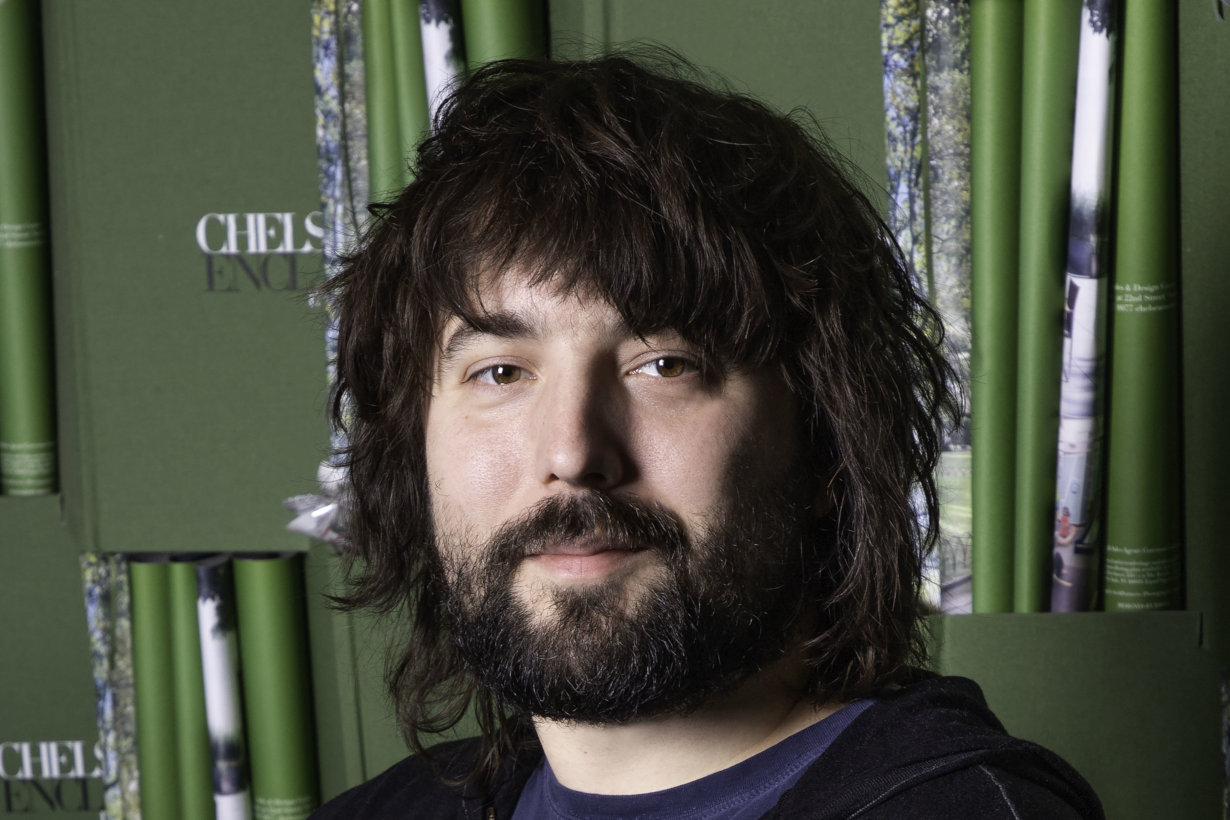
Most recycling systems were never designed to handle the growing variety of modern consumer packaging. Tom Szaky saw this limitation as an opportunity to rethink waste itself, creating business models that recover materials others considered impossible to recycle.
Through TerraCycle and later Loop, he has helped move the conversation beyond recycling toward a broader vision of the circular economy.
Key Takeaways
- Tom Szaky transformed TerraCycle from a fertilizer startup into a global leader in hard-to-recycle waste solutions.
- TerraCycle pioneered recycling programs for materials traditionally considered non-recyclable, including snack wrappers, cigarette butts, and toothpaste tubes.
- The launch of Loop expanded the company’s mission by replacing single-use packaging with reusable systems.
- Szaky demonstrated that environmental innovation requires redesigning business models as much as developing new technologies.
- His work continues influencing brands, governments, and consumers to rethink how products are designed, used, and recovered.
Recycling the Non-recyclables
Modern consumer products have become increasingly convenient, but the systems designed to manage their waste have struggled to keep pace. While traditional recycling handles common materials like paper, glass, and certain plastics, billions of everyday items still end up in landfills because they are too complex or costly to recycle through conventional methods.
Tom Szaky saw this challenge not as an unavoidable consequence of modern consumption, but as an opportunity for innovation. Through TerraCycle and later Loop, he pioneered new approaches to recycling hard-to-process waste and promoting reusable packaging, helping businesses and consumers rethink what a truly circular economy can look like.
The Challenge
Traditional recycling programs work well for materials like aluminum cans, cardboard, and certain plastic bottles. However, billions of everyday products – including snack wrappers, coffee capsules, toothbrushes, cigarette filters, cosmetics packaging, and flexible plastics – typically end up in landfills or incinerators because they are too difficult or expensive to process.
For decades, manufacturers focused primarily on making products cheaper and more convenient, while municipalities were left managing increasingly complex waste streams. The result was a growing gap between what consumers discarded and what existing recycling systems could actually recover.
Szaky believed the answer wasn’t simply building more recycling plants – it was redesigning the entire recovery system.
The Innovations
Rethinking What “Recyclable” Means
TerraCycle began with an unusual idea: manufacturing organic fertilizer from worm compost and packaging it inside discarded plastic bottles collected by schools. While unconventional, the concept demonstrated that waste could become valuable when viewed as a resource instead of a liability.
That philosophy soon expanded into recovering materials that conventional recycling programs ignored entirely.
Building Specialized Recycling Networks
Rather than relying on municipal collection systems, TerraCycle partnered directly with global brands, retailers, schools, businesses, and consumers. Sponsored collection programs enabled people to return products that local recycling facilities could not process.
By creating dedicated collection, sorting, and material recovery systems, TerraCycle opened new recycling pathways for millions of previously unrecoverable items.
Reinventing Packaging Through Loop
In 2019, Szaky introduced Loop, a reusable packaging platform that works similarly to the traditional milk bottle model. Consumers purchase products in durable containers that are collected, professionally cleaned, refilled, and returned to circulation instead of being discarded.
Instead of asking consumers to recycle more efficiently, Loop challenges companies to eliminate single-use packaging altogether.
The Solutions
Making Circular Economy Practical
One of TerraCycle’s biggest innovations is demonstrating that circular economy principles can operate within existing consumer markets. Rather than waiting for governments to redesign waste systems, the company created partnerships that financially support collection and material recovery.
This approach encourages manufacturers to take greater responsibility for products throughout their entire lifecycle.
Creating Shared Responsibility
TerraCycle distributes responsibility across consumers, brands, retailers, and recycling partners. Companies sponsor collection programs, consumers participate in recovery, and specialized facilities process materials into new products.
This collaborative ecosystem helps overcome limitations that no single stakeholder could solve independently.
Combining Environmental Impact with Business Incentives
Szaky consistently argues that sustainability succeeds when environmental benefits align with commercial incentives. TerraCycle’s revenue models – including sponsored recycling programs, Zero Waste Boxes, and enterprise waste solutions – demonstrate that environmental services can become sustainable businesses.
By making waste recovery economically viable, the company has attracted partnerships with many of the world’s largest consumer brands.
The Impacts
Expanding Recycling Beyond Municipal Systems
TerraCycle has helped establish recycling programs across more than 20 countries while diverting billions of waste items from traditional disposal streams. Its specialized programs have expanded public understanding of what materials can potentially be recovered.
The company’s work has encouraged broader discussions around extended producer responsibility and product stewardship.
Accelerating the Circular Packaging Movement
Loop has helped demonstrate that reusable packaging can function at commercial scale with major consumer brands and retailers. Although still evolving, the platform has renewed global interest in refillable packaging systems that reduce single-use waste.
Its influence has extended conversations about packaging beyond recycling toward complete system redesign.
Influencing Sustainability Innovation
Szaky’s work has inspired entrepreneurs, corporations, and policymakers to view waste as a design challenge rather than an unavoidable consequence of consumption. His books, public speaking, and industry collaborations have helped popularize circular economy principles worldwide.
His influence reaches beyond recycling technology into broader discussions about sustainable manufacturing and responsible consumption.
Innovation Lessons from Tom Szaky
Innovation Begins by Challenging Assumptions
Many industries accepted that certain materials simply could not be recycled economically. Szaky questioned that assumption and built an entire company around solving those overlooked problems.
Sometimes innovation starts by asking why accepted limitations exist in the first place.
Business Models Can Be Innovations Too
TerraCycle’s greatest innovation isn’t just recycling technology – it’s designing partnerships that allow manufacturers, consumers, and recyclers to collaborate economically.
Creating new incentives can often unlock more change than creating entirely new technologies.
Sustainability Requires Continuous Improvement
Recycling and circular economy initiatives remain complex, with evolving technologies, regulations, and consumer expectations. TerraCycle has adapted its programs over time while continuing to explore new recovery methods and reusable packaging systems.
Long-term environmental innovation depends on constant iteration rather than one perfect solution.
FAQs
Who is Tom Szaky?
Tom Szaky is the founder and CEO of TerraCycle, a company specializing in recycling difficult-to-process waste and advancing circular economy solutions. He later launched Loop to promote reusable packaging systems for consumer products. His career has focused on transforming waste into valuable resources through innovative business models.
What makes TerraCycle different from traditional recycling companies?
TerraCycle specializes in collecting and recycling materials that most municipal recycling programs cannot process. It works directly with brands, retailers, schools, and consumers through dedicated collection programs. This allows hard-to-recycle products to enter specialized recovery systems instead of landfills.
What is Loop?
Loop is TerraCycle’s reusable packaging platform that replaces disposable containers with durable, refillable alternatives. After products are used, the packaging is collected, professionally cleaned, refilled, and returned to customers. The model aims to reduce packaging waste while maintaining consumer convenience.
Has TerraCycle faced criticism?
Yes. TerraCycle has faced criticism regarding program accessibility, transparency, and the scalability of some recycling initiatives. The company has responded by refining its communications, settling certain legal disputes without admissions of wrongdoing, and continuing to expand its recycling and reuse programs while emphasizing measurable environmental impact.
Why is Tom Szaky considered an innovator?
Tom Szaky challenged conventional thinking about waste by creating commercially viable systems for recovering difficult materials and promoting reusable packaging. His work has helped advance the global circular economy movement while encouraging businesses to rethink product design and lifecycle responsibility.
Sources:
- https://en.wikipedia.org/wiki/Tom_Szaky
- https://www.weforum.org/stories/circular-economy/reuse-packaging-loop-zero-waste-terracycle-tom-szaky/
- https://ssir.org/articles/entry/garden_variety_revolution
- https://www.prnewswire.com/news-releases/loop-expands-nationwide-to-meet-consumer-demand-301133377.html
- https://shop.terracycle.com/en-US/
Photo credit: Paynea3 / Wikimedia Commons / CC BY-SA 4.0 – cropped (link)