

Leadership becomes particularly challenging when an organization operates across multiple industries, markets, and business models. A decision that benefits one division may not necessarily work for another, while maintaining a common direction across hundreds of thousands of employees requires more than a strong corporate strategy. It demands clarity, discipline, and the ability to empower leaders throughout the organization.
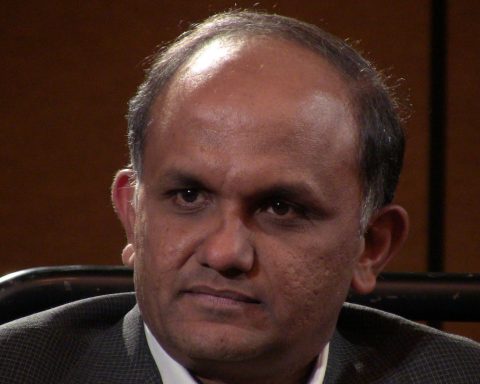
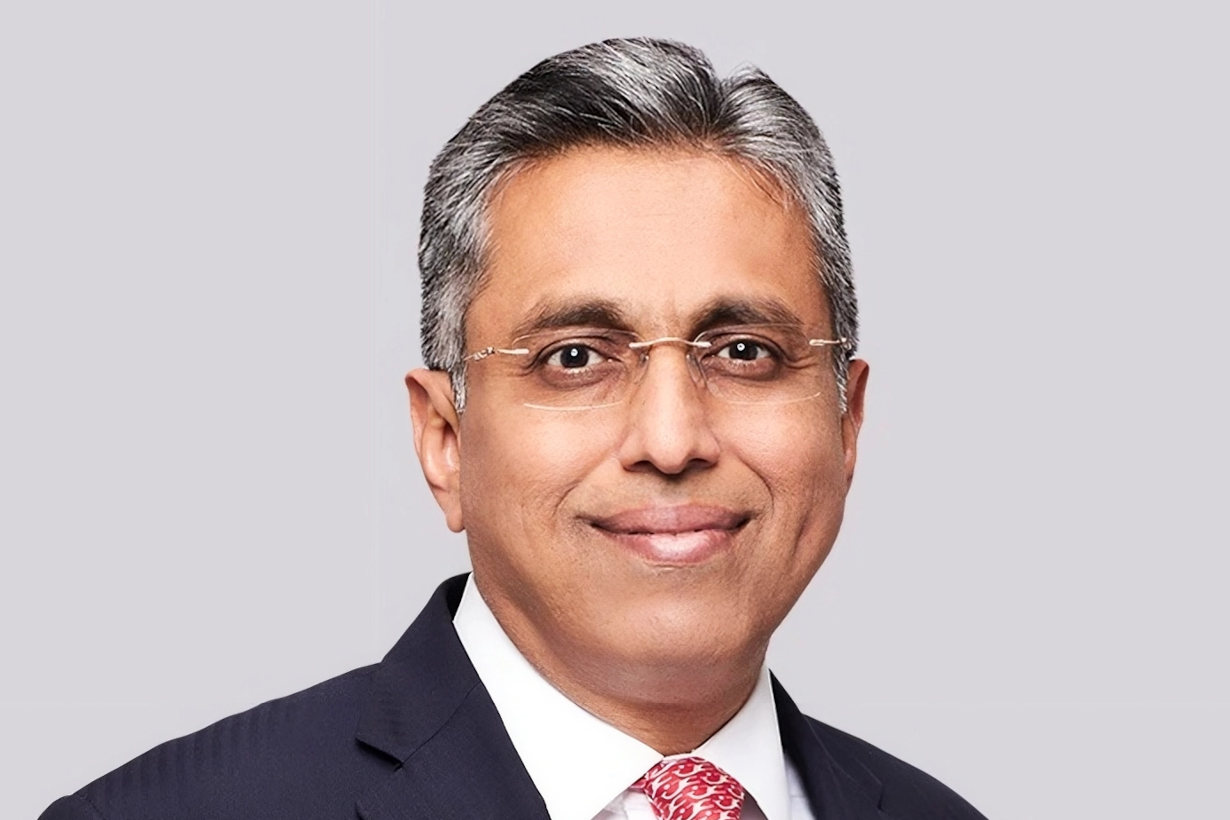
Anish Shah, Group CEO and Managing Director of the Mahindra Group, faces this challenge every day. Since taking the top executive role in 2021, he has emphasized strategic focus, financial discipline, accountability, and purpose-driven growth. His approach offers useful lessons for business leaders seeking to manage complexity without allowing an organization to lose sight of what matters most.
Key Takeaways
- Anish Shah’s career demonstrates how experience across finance, consulting, and corporate strategy can prepare leaders to manage complex organizations.
- His “Do less, but do it well” philosophy highlights the importance of prioritizing opportunities instead of spreading resources too thinly.
- Preserving an organization’s strengths while improving financial discipline can make transformation more effective.
- Trusting business leaders must be accompanied by clear expectations, accountability, and responsibility for results.
- Purpose-driven leadership can support commercial growth when organizational values are reflected in practical business decisions.
From Finance and Consulting to Corporate Leadership
Anish Shah did not begin his career in the automotive or manufacturing industries. His professional background was built through finance, consulting, and international business, giving him experience across different organizations before he joined Mahindra.
He studied management at the Indian Institute of Management Ahmedabad and later earned a master’s degree and Ph.D. from Carnegie Mellon University’s Tepper School of Business. His doctoral work focused on corporate governance, an area that would become relevant to his responsibilities as an executive overseeing a diversified business group.
Shah began his career at Citibank before moving to Bain & Company in Boston. He subsequently worked with Bank of America, where he led its US Debit Products business. He then spent approximately 14 years at GE, holding several leadership positions across its global financial services operations.
From 2009 to 2014, he served as President and CEO of GE Capital India. One of his notable responsibilities was leading the transformation of the business, including the turnaround of its SBI Card joint venture. This experience gave him exposure to operational restructuring, financial performance, and the challenges of managing a business through significant change.
Shah joined the Mahindra Group in 2014 as Group President for Strategy. He worked across the organization’s businesses, helping develop strategic initiatives and strengthen capabilities in areas such as digitization and data science.
He later became Deputy Managing Director and Group CFO before being appointed Managing Director and CEO of Mahindra & Mahindra in April 2021. He also assumed the broader Group CEO responsibility, overseeing the wider Mahindra organization.
His progression illustrates an important aspect of executive leadership: understanding an organization often requires experience beyond one department or business function. Shah’s combination of financial, consulting, and strategic experience helped prepare him for a role that involves balancing the priorities of multiple companies.
The Challenge of Managing a Diversified Conglomerate
The Mahindra Group is a substantial and complex organization. Its businesses span automotive, farm equipment, financial services, information technology, logistics, real estate, hospitality, and other sectors. The group operates internationally, with a workforce exceeding 300,000 associates across more than 20 industries and over 100 countries, according to its corporate profile.
Managing such a portfolio creates a different set of leadership challenges from running a company focused on a single product or market.
Each business has its own customers, competitors, operating requirements, investment cycles, and performance indicators. An automotive business must respond to consumer preferences, manufacturing costs, and technological changes. A financial services company faces different regulatory requirements, credit risks, and customer expectations. Meanwhile, technology businesses must compete in markets where innovation and talent acquisition can determine their long-term position.
The challenge is not simply to make every business grow. It is to determine where the group should concentrate its resources, which opportunities deserve priority, and how individual companies can contribute to the broader organization.
When Shah became CEO, he inherited an established corporate identity and a group with a long history. Rather than attempting to replace everything that came before him, he emphasized preserving the organization’s core values while introducing greater financial discipline and sharper strategic priorities.
This distinction became central to his leadership approach. Transformation did not necessarily mean changing everything. It meant identifying what was already working, understanding where improvement was needed, and ensuring that the organization had a clearer basis for making decisions.
A Leadership Philosophy Built Around Focus and Accountability
One of Shah’s most recognizable management principles is straightforward: “Do less, but do it well.”
The statement reflects his belief that organizations can weaken their execution when they pursue too many priorities simultaneously. A company may have numerous potential opportunities, but its resources, management attention, and ability to deliver are limited.
In a 2023 interview with Business Today, Shah explained how Mahindra had applied this thinking to its automotive strategy. Rather than spreading its efforts across too many areas, the company concentrated on strengthening its position in authentic sport utility vehicles (SUVs). The approach involved focusing on selected products and markets where the business believed it could build a stronger competitive position.
He also discussed the importance of selecting international markets carefully. Instead of pursuing expansion everywhere at once, the company identified specific markets where it wanted to establish a meaningful presence before considering further expansion.
His approach extends beyond strategy into organizational management. Shah has emphasized trusting business leaders while maintaining clear accountability for results. Executives should have room to make decisions, but they must also understand what is expected of them and accept responsibility for delivery.
This balance is particularly important in a diversified group. A central leadership team cannot make every operational decision across dozens of businesses. It must establish priorities, develop capable leaders, and create a system in which individual businesses can execute their strategies while remaining aligned with the group’s overall direction.
Four Leadership Lessons From Anish Shah
1. Strategic Focus Can Be More Valuable Than Constant Expansion
Businesses often associate growth with entering new markets, launching more products, or adding new business lines. While expansion can create opportunities, pursuing too many initiatives at once can also divide resources and weaken execution.
Shah’s “Do less, but do it well” philosophy challenges leaders to distinguish between opportunities that are attractive and opportunities that genuinely deserve attention.
Mahindra’s focus on its core SUV business provides an example. Instead of treating every potential automotive segment as equally important, the company concentrated on strengthening its competitive position in a category where it saw significant potential.
For smaller businesses, the lesson is equally relevant. A company does not necessarily need more products, customers, or locations to grow successfully. Sometimes, improving the performance of its strongest offerings can produce better results than pursuing several unrelated opportunities.
2. Preserve What Works While Changing What Does Not
When Shah took on the CEO role, he recognized that Mahindra already had an established purpose, culture, and organizational identity. His approach was not to discard these foundations simply because leadership had changed.
Instead, he emphasized maintaining the group’s core values while improving financial discipline, talent development, diversity, and business performance.
This reflects a useful principle for leaders taking over established organizations. Not every inherited practice is a problem, and not every new idea represents progress. Understanding the reasons behind existing systems is an important step before deciding what needs to change.
Leaders who move too quickly to replace established practices may lose valuable institutional knowledge and weaken employee confidence. Effective transformation requires distinguishing between traditions that provide strength and practices that prevent improvement.
3. Trust Requires Accountability
A large organization cannot function effectively if every decision must be approved by its chief executive. Business leaders need the authority to manage their operations, respond to customers, and make decisions within their areas of responsibility.
However, autonomy must be supported by clear expectations. Shah has highlighted the importance of trusting leaders, maintaining accountability, making difficult decisions, and remaining firm when business interests require it.
For management teams, this creates a balance between independence and responsibility. Employees and executives should have enough freedom to act, but they must also understand the results they are expected to deliver.
This approach can be valuable for growing businesses in particular. Founders who continue to control every decision may eventually become a bottleneck. Building a capable leadership team requires delegating meaningful responsibilities while establishing measurable standards for performance.
4. Purpose and Profitability Should Support Each Other
Shah has repeatedly emphasized the idea that “purpose drives profits.” At Mahindra, this philosophy is connected to the group’s Rise framework, which focuses on driving positive change in the lives of communities.
The concept is not simply about presenting a socially responsible image. It suggests that an organization’s purpose should influence how it develops products, treats employees, serves customers, and allocates resources.
Mahindra’s work in areas such as sustainability, women’s empowerment, agricultural development, and technology reflects the group’s stated commitment to this broader purpose.
For business leaders, the lesson is that purpose becomes meaningful when it influences actual business decisions. A mission statement alone cannot create long-term value. It must be connected to products, services, operating practices, and measurable outcomes.
When an organization’s purpose aligns with customer needs and responsible business practices, it can strengthen trust while supporting commercial performance.
Building the Next Phase of Mahindra’s Growth
Shah’s leadership is also closely connected to Mahindra’s efforts to prepare for changes in technology, customer expectations, and global competition.
The automotive industry is undergoing a major transition. Electrification, software, connected vehicles, and changing mobility preferences are reshaping the competitive landscape. For a company with a substantial presence in conventional vehicles and farm equipment, responding to these developments requires long-term investment and organizational coordination.
Mahindra has increased its focus on electric vehicles while continuing to develop its traditional automotive and agricultural businesses. These investments illustrate the challenge of managing both present-day performance and future opportunities.
The same challenge applies across the wider group. Its technology businesses must respond to changes in digital services and artificial intelligence, while its financial services operations must adapt to evolving customer expectations and financial risks.
Shah’s emphasis on technology leadership, digitization, and data capabilities reflects an understanding that established businesses cannot rely indefinitely on their historical strengths.
At the same time, transformation requires careful resource allocation. Investments in new technologies must be balanced against the financial requirements of existing businesses. This is where strategic focus and financial discipline become especially important.
The Mahindra Group’s corporate profile has reported substantial growth in market capitalization since Shah took on the leadership role in 2020. While such growth reflects the performance of multiple businesses and broader market conditions, it demonstrates the scale of the value-creation ambitions associated with his tenure.
The challenge ahead is to sustain that progress while ensuring that the group remains competitive across its diverse markets.
Conclusion
Anish Shah’s leadership at the Mahindra Group offers a practical case study in managing complexity. His background in finance, consulting, and corporate strategy helped prepare him for the responsibility of overseeing a diversified organization with businesses operating across multiple industries and countries.
His approach emphasizes a few consistent principles: focus on fewer priorities, preserve the strengths of an established organization, trust capable leaders, and maintain accountability for results. He also believes that a clear organizational purpose can support, rather than compete with, commercial success.
For business owners and executives, perhaps the most useful lesson is that growth does not always come from doing more. It can come from making better decisions about where to concentrate resources, empowering the right people, and executing a smaller number of priorities with greater discipline.
In a business environment where opportunities and distractions are constantly increasing, Shah’s philosophy offers a reminder that effective leadership is often about knowing what not to pursue.
FAQs
Who is Anish Shah?
Anish Shah is the Group CEO and Managing Director of the Mahindra Group, one of India’s major diversified business conglomerates. He joined Mahindra in 2014 and became Group CEO and Managing Director in 2021.
What did Anish Shah do before joining Mahindra?
Before joining Mahindra, Shah worked at Citibank, Bain & Company, and Bank of America. He also spent approximately 14 years at GE, including serving as President and CEO of GE Capital India from 2009 to 2014.
What is Anish Shah’s leadership philosophy?
Shah’s leadership philosophy emphasizes strategic focus, financial discipline, accountability, and purpose-driven growth. One of his best-known management principles is “Do less, but do it well,” which reflects the importance of concentrating resources on a smaller number of meaningful priorities.
What is Mahindra’s Rise philosophy?
Rise is the Mahindra Group’s broader purpose framework, centered on driving positive change in the lives of communities. It connects the organization’s business activities with its stated commitments to areas such as sustainability, inclusion, and economic development.
What can business leaders learn from Anish Shah?
Business leaders can learn the importance of prioritizing strategic opportunities, preserving valuable organizational strengths, and delegating responsibility to capable teams. His approach also demonstrates why accountability and a clear sense of purpose are important when managing a growing organization.
Sources:
- https://en.wikipedia.org/wiki/Anish_Shah_(businessman)
- https://www.ey.com/en_in/entrepreneur-of-the-year/finalists-2024/anish-shah
- https://www.businesstoday.in/magazine/interview/story/do-less-but-do-it-well-says-anish-shah-md-ceo-of-the-mahindra-group-390990-2023-07-24
- https://www.hbs.edu/news/podcasts/deep-purpose/anand-mahindra-the-rise-philosophy-at-the-mahindra-group
- https://hbr.org/podcast/2025/06/why-profits-follow-purpose
Photo credit: CC0