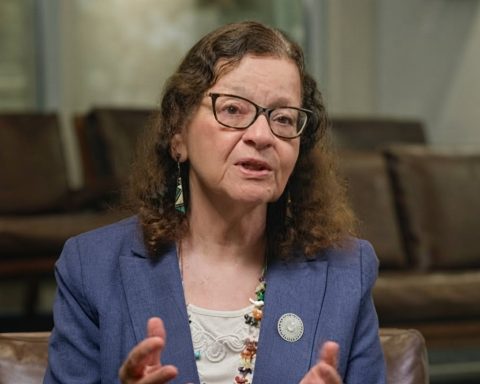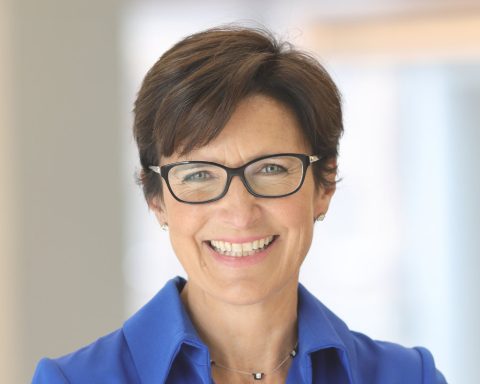


Global commerce has traditionally been shaped by large corporations, complex supply chains, and high barriers to entry. But digital platforms have begun to change that dynamic, enabling smaller businesses to reach international markets. That shift is central to the work of Diane Wang, founder and CEO of DHgate, who built a platform designed to connect Chinese manufacturers directly with global buyers.
Key Takeaways
- Cross-border platforms can unlock global markets for small and medium-sized businesses.
- Timing matters in entrepreneurship, especially when aligning with macro trends like globalization and e-commerce.
- Founder experience in large organizations can inform more focused startup execution.
- Building trust is critical in marketplaces that operate across borders.
- Long-term success in e-commerce depends on infrastructure as much as user growth.
From Corporate Executive to Entrepreneur
Before founding DHgate, Diane Wang had already built a career in global technology companies.
She held leadership roles at Microsoft and later became a senior executive at Cisco Systems in China. These positions gave her exposure to enterprise technology, global markets, and the operational structure of large organizations.
However, she identified a gap.
While large companies were well-equipped to operate internationally, small and medium-sized enterprises (SMEs) often lacked the tools and access needed to reach global customers. The barriers included logistics, trust, payments, and language – all of which limited participation in international trade.
Wang saw an opportunity to address this imbalance.
In 2004, she founded DHgate with the goal of enabling SMEs in China to sell directly to buyers around the world. The idea was not just to build an e-commerce site, but to create a platform that simplified cross-border trade.
Building a Cross-Border Marketplace
The early years of DHgate were focused on establishing trust. Unlike domestic marketplaces, cross-border platforms must address additional layers of complexity:
- Payment security
- Product quality assurance
- Shipping reliability
- Communication between buyers and sellers
To overcome these challenges, DHgate invested in systems that could support international transactions, including escrow payment mechanisms and dispute resolution processes.
The platform positioned itself as a bridge. On one side were Chinese manufacturers seeking global demand. On the other were small businesses and consumers worldwide looking for competitive pricing and product variety. As global e-commerce expanded, DHgate grew alongside it.
The company benefited from broader trends:
- Increasing internet penetration
- Growth in online marketplaces
- Rising demand for direct-from-manufacturer sourcing
Over time, DHgate evolved from a transactional marketplace into a more comprehensive ecosystem, incorporating logistics, payment solutions, and data-driven insights.
Enabling Global Trade at Scale
Today, DHgate serves millions of buyers and sellers across hundreds of countries.
The platform has become one of the early movers in cross-border B2B and B2C e-commerce, particularly in connecting Chinese SMEs with international markets. Its scale reflects both the growth of global trade and the increasing importance of digital platforms in facilitating that trade.
For Diane Wang, this outcome represents more than business success. It reflects a broader shift in how commerce operates.
By lowering barriers to entry, DHgate has enabled smaller businesses to participate in global markets that were once dominated by large corporations. This democratization of trade aligns with the broader evolution of digital platforms.
At the same time, the company operates in a highly competitive environment, with other major players shaping the global e-commerce landscape. Sustaining growth requires continuous investment in infrastructure, trust, and user experience.
DHgate vs. Traditional Trade Models
| Dimension | DHgate | Traditional Trade |
|---|---|---|
| Market Access | Open to SMEs globally | Limited to large enterprises |
| Transactions | Digital, platform-based | Offline or intermediated |
| Speed | Faster, real-time | Slower, process-heavy |
| Transparency | Platform-driven | Often opaque |
| Cost Structure | Lower barriers | Higher entry costs |
This comparison highlights how platforms like DHgate have redefined access to global commerce.
Founder Identity: Bridging Systems and Markets
What defines Diane Wang as a founder is her ability to operate between different systems – corporate and entrepreneurial, domestic and global, technological and commercial.
Her background in multinational corporations provided a structured understanding of global operations. However, her decision to leave that environment and build DHgate reflects a shift toward creating more accessible systems.
She identified that the future of commerce would not be limited to large enterprises. Instead, it would expand to include millions of smaller participants, enabled by digital platforms. This insight shaped DHgate’s core mission.
Another defining aspect of her leadership is long-term focus.
Building a cross-border marketplace is not a short-term effort. It requires sustained investment in infrastructure, partnerships, and trust mechanisms. Wang’s approach reflects patience and consistency, rather than rapid, short-term scaling.
Her role also highlights the importance of adaptability.
As global trade evolves – influenced by regulation, geopolitics, and technology – platforms like DHgate must continuously adjust. This requires both strategic vision and operational flexibility.
Expanding Access to Global Markets
The story of Diane Wang illustrates how digital platforms can reshape traditional industries. Through DHgate, she built a system that enables smaller businesses to participate in global trade, reducing barriers that once limited access.
Her journey also highlights the role of timing and execution. By launching DHgate during the early growth of e-commerce, Wang positioned the company to benefit from long-term trends. However, success required more than timing – it depended on building infrastructure that could support complex transactions at scale.
For founders, the lesson is clear.
Opportunities often exist in making systems more accessible. The challenge lies in building the structures that allow those opportunities to scale sustainably.
FAQs
Who is Diane Wang?
Diane Wang is the founder, chairperson, and CEO of DHgate, a cross-border e-commerce platform. She is known for enabling global trade access for small and medium-sized businesses through digital infrastructure, making her a key figure in international e-commerce development.
What is DHgate?
DHgate is an online marketplace that connects Chinese suppliers with international buyers. It focuses on facilitating cross-border trade through secure transactions and logistics support, allowing businesses of all sizes to participate in global commerce.
How does DHgate work?
DHgate allows sellers to list products while buyers can purchase them directly through the platform. It provides payment protection, logistics coordination, and dispute resolution to support transactions, helping build trust between parties across different countries.
Why is DHgate important in global commerce?
DHgate helps lower barriers for small businesses to enter international markets. It plays a role in democratizing trade by making global commerce more accessible, especially for sellers who lack traditional export channels.
What can founders learn from Diane Wang?
Founders can learn the importance of identifying structural inefficiencies in large systems. Her journey shows how building platforms can unlock opportunities at scale while addressing real-world friction in global markets.
Sources: