

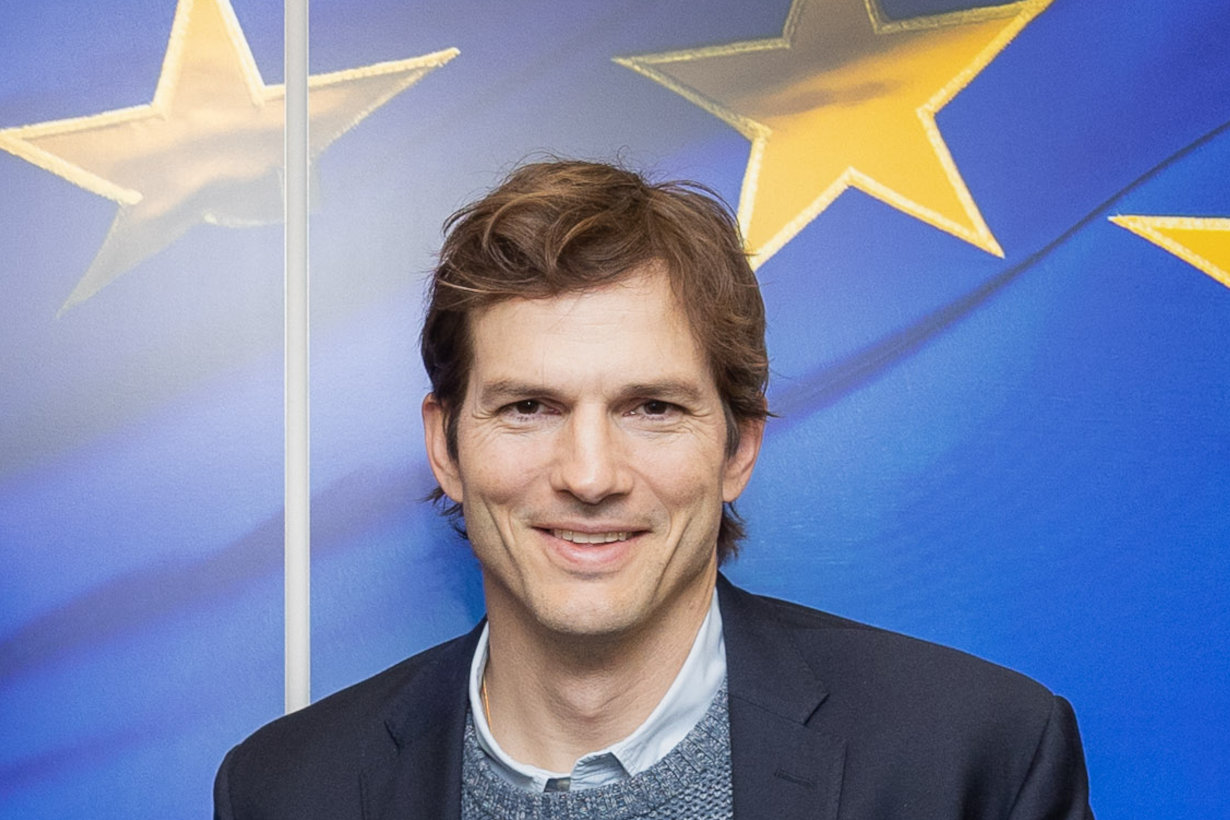
Most celebrities invest in startups. Very few build a reputation that earns the respect of founders, venture capitalists, and technology executives alike. That distinction belongs to Ashton Kutcher, whose journey from sitcom star to successful technology investor demonstrates how curiosity, continuous learning, and long-term thinking can create an entirely new career beyond an original profession.
Key Takeaways
- Expertise can be built through relentless learning, even outside one’s original industry.
- Successful investing often starts with understanding products and user behavior before financial metrics.
- Great founders and great investors share a common trait: pattern recognition.
- Diversification and long-term thinking matter more than perfect predictions.
- Building a second career can sometimes become more impactful than the first.
The Celebrity Investor Who Refused to Act Like One
When most people hear the name Ashton Kutcher, they think of television shows like That ’70s Show, the prank series Punk’d, or his role portraying Steve Jobs in the 2013 film Jobs.
For much of the early 2000s, Kutcher appeared to follow a familiar Hollywood trajectory. He became a television star, expanded into film, and built a highly recognizable public profile.
Yet behind the scenes, he was developing a fascination with technology startups at a time when Silicon Valley remained largely disconnected from mainstream celebrity culture.
While many celebrity investments focused on endorsement deals or passive ownership stakes, Kutcher approached startups differently. He spent time studying products, meeting founders, understanding business models, and learning how emerging technologies changed consumer behavior.
What began as intellectual curiosity eventually evolved into one of the most successful second careers in modern entertainment.
Today, Kutcher is recognized not merely as an actor who invests, but as a legitimate venture capitalist whose portfolio includes some of the most influential technology companies of the last two decades.
From Iowa Roots to Hollywood Success
The story begins far from Silicon Valley.
Raised in Cedar Rapids, Iowa, Kutcher developed a strong work ethic and entrepreneurial mindset long before becoming famous. After briefly attending the University of Iowa, he entered modeling and eventually transitioned into acting.
His breakthrough came in 1998 when he landed the role of Michael Kelso on That ’70s Show, a character whose comedic charm helped make him a household name. Over the following years, he expanded into film, producing projects and launching the hidden-camera series Punk’d, which became a cultural phenomenon.
Kutcher later joined Two and a Half Men as billionaire entrepreneur Walden Schmidt, replacing Charlie Sheen and helping sustain one of television’s most successful sitcoms.
Financial success from entertainment provided him with opportunities to invest, but unlike many wealthy celebrities, Kutcher did not delegate all decision-making to advisers. Instead, he immersed himself in understanding startups and emerging technologies.
Friends and colleagues frequently described his genuine fascination with innovation. Rather than simply chasing trends, he became interested in how technology products solved real-world problems and transformed user behavior.
That mindset would soon produce remarkable results.
Building One of Venture Capital’s Most Impressive Celebrity Track Records
In 2010, Kutcher co-founded A-Grade Investments alongside Guy Oseary and Ron Burkle.
The firm’s initial capital base reportedly totaled approximately $30 million. Within several years, the portfolio’s value had grown dramatically, driven by investments in companies that would become household names.
Among the firm’s most successful early bets were:
- Uber
- Airbnb
- Spotify
These investments helped establish Kutcher’s credibility throughout the startup ecosystem.
Importantly, many of these companies were still emerging businesses when A-Grade invested. Their future dominance was far from guaranteed, making early conviction particularly valuable.
The success of A-Grade eventually led to the launch of Sound Ventures in 2015.
Unlike a celebrity investment vehicle, Sound Ventures was designed as a professional venture capital firm focused on early-stage technology investing. The firm has since grown to manage more than $1 billion in assets while investing across software, artificial intelligence, fintech, enterprise technology, and consumer platforms.
Its portfolio includes companies such as:
- OpenAI
- Anthropic
- Hugging Face
- Robinhood
- Brex
- Airtable
- Affirm
- Flexport
- Duolingo
Few celebrity investors can point to a comparable track record.
Strategic Lesson: Curiosity as a Competitive Advantage
One of the most valuable lessons from Kutcher’s journey is that expertise is not always tied to formal credentials.
Unlike traditional venture capitalists who often emerge from investment banking, consulting, or elite finance backgrounds, Kutcher entered the technology world through curiosity.
He asked questions, studied products, spent time with founders, and sought to understand markets before investing in them. Over time, this curiosity evolved into pattern recognition – one of the most important skills in venture capital.
Rather than viewing technology purely through financial metrics, Kutcher often focused on user experience and behavioral shifts. He looked for products people genuinely loved and businesses capable of creating lasting value.
This perspective helped him identify opportunities that many traditional investors initially overlooked.
His career demonstrates that learning compounds. Small investments in knowledge, relationships, and understanding can eventually produce extraordinary outcomes.
Not Every Investment Wins: The Importance of Portfolio Thinking
An honest founder story also acknowledges setbacks.
Not every company in Kutcher’s investment portfolio became a massive success. Like virtually every experienced venture capitalist, he has participated in investments that failed to meet expectations.
Perhaps the most notable example was WeWork, whose dramatic rise and subsequent collapse became one of Silicon Valley’s most discussed business stories.
However, venture investing has never been about achieving perfection.
The industry’s economics depend on a small number of exceptional winners generating outsized returns. Investors succeed not because every decision works, but because they consistently identify enough transformative companies to outweigh inevitable losses.
Kutcher’s overall record illustrates this principle exceptionally well. His biggest successes more than compensated for investments that underperformed, reinforcing the importance of diversification and long-term thinking.
Beyond Investing: Technology, Purpose, and Social Impact
Kutcher’s entrepreneurial interests extend beyond venture capital.
One of his most meaningful ventures is Thorn, the technology-focused nonprofit he co-founded with Demi Moore to combat child exploitation and human trafficking.
Thorn uses technology tools to help law enforcement agencies identify victims and disrupt criminal networks, demonstrating how innovation can address significant social challenges.
The organization reflects another recurring theme throughout Kutcher’s career: technology should improve people’s lives, not merely generate financial returns.
This philosophy also influences Sound Ventures’ investment framework, which emphasizes companies capable of creating value for users, society, and shareholders simultaneously.
In addition, Kutcher has participated in various entrepreneurial ventures outside traditional venture capital, including restaurant investments, consumer products, and advisory roles within technology companies.
These experiences have broadened his perspective as both an investor and operator.
Ashton Kutcher, as a Founder: Reinventing Success
What makes Ashton Kutcher particularly interesting is not simply his investment success. It is his willingness to reinvent himself.
Many successful actors spend decades maximizing a single career path. Kutcher instead pursued a second discipline that required learning entirely new skills, building credibility in unfamiliar circles, and competing against highly experienced professionals.
He transformed himself from entertainer to entrepreneur, investor, and technology advocate without abandoning the curiosity that drove his original success.
His story challenges conventional assumptions about career identity. Rather than remaining confined to one profession, he demonstrated that expertise can evolve through consistent learning and genuine intellectual engagement.
That lesson may be especially relevant in a business environment where industries change rapidly and lifelong adaptation becomes increasingly important.
Curiosity Can Create Entirely New Careers
The story of Ashton Kutcher is not fundamentally about celebrity. It is about curiosity.
From television stardom to venture capital success, his career demonstrates how sustained interest in learning can open opportunities far beyond one’s original field.
By studying technology, understanding founders, and developing long-term investment discipline, Kutcher built a second career that many professional investors would envy.
At the same time, his journey illustrates an important entrepreneurial truth: expertise is rarely fixed. The willingness to learn, adapt, and explore unfamiliar territory can become a competitive advantage in itself.
For founders and aspiring entrepreneurs, the lesson is clear:
Sometimes the most valuable investment you can make is in your own curiosity.
FAQs
Who is Ashton Kutcher?
Ashton Kutcher is an actor, entrepreneur, and venture capitalist best known for roles in That ’70s Show, Punk’d, and Two and a Half Men. He is also the co-founder of A-Grade Investments and Sound Ventures, two highly successful investment firms focused on technology startups.
What companies has Ashton Kutcher invested in?
Kutcher has invested in companies including Uber, Airbnb, Spotify, Robinhood, Airtable, Affirm, Brex, Flexport, and Duolingo. Through Sound Ventures, he has also backed leading artificial intelligence companies such as OpenAI, Anthropic, and Hugging Face.
What is Sound Ventures?
Sound Ventures is a venture capital firm co-founded by Ashton Kutcher and Guy Oseary in 2015. The firm focuses on early-stage technology investments and manages more than $1 billion in assets across multiple sectors.
Is Ashton Kutcher more successful as an actor or investor?
Both careers have been highly successful, but much of Kutcher’s wealth and business reputation today comes from venture capital investing rather than acting. His early investments in companies like Uber and Airbnb generated returns that established him as one of the most credible celebrity investors in Silicon Valley.
What can founders learn from Ashton Kutcher?
Founders can learn the importance of curiosity, continuous learning, and long-term thinking. His journey demonstrates that expertise can be developed through genuine interest, disciplined study, and a willingness to evolve beyond traditional career boundaries.
Sources:
- https://en.wikipedia.org/wiki/Ashton_Kutcher
- https://www.imdb.com/name/nm0005110/
- https://www.biography.com/actors/ashton-kutcher
- https://nypost.com/2025/10/18/entertainment/ashton-kutcher-reveals-hes-missed-out-on-roles-because-of-the-way-i-look/
- https://www.instagram.com/reel/DSn8r4Nk0jN/
Photo credit: Photographer: Jennifer Jacquemart / Wikimedia Commons / CC BY 4.0 – cropped (link)