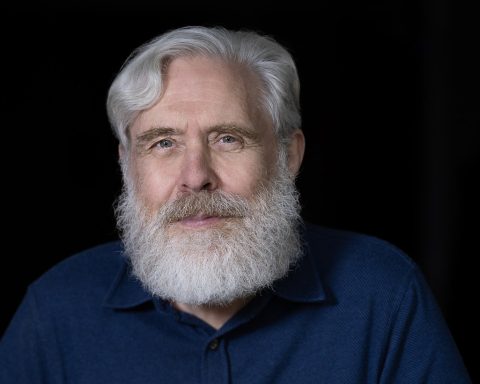


For years, the startup world celebrated one formula above all others: raise as much venture capital as possible, grow at breakneck speed, and worry about profitability later. Joel Gascoigne chose a different path.
As the co-founder and CEO of Buffer, he built one of the world’s best-known social media management platforms while championing transparency, remote work, and sustainable growth. His journey shows that success isn’t always measured by billion-dollar valuations – sometimes it’s measured by building a company that lasts.
Key Takeaways
- Sustainable businesses often outperform companies built solely for rapid growth.
- Transparency builds trust with employees, customers, and investors.
- Company culture should be designed intentionally from the beginning.
- Long-term thinking helps founders navigate inevitable setbacks.
- Great businesses can be built without chasing every startup trend.
Sometimes the Best Startup Idea Is the Simplest One
Many iconic technology companies begin with ambitious visions to change the world.
Buffer started with a much smaller idea.
After graduating from the University of Warwick with a degree in Computing Systems, Joel Gascoigne spent his time building side projects while working as a freelance web developer. Like many aspiring entrepreneurs, he experimented with countless ideas, hoping one would gain traction.
One challenge kept surfacing: Scheduling tweets was surprisingly inconvenient.
Social media was becoming an essential marketing channel, but there were few elegant tools that allowed users to plan and publish content efficiently. Rather than trying to build an all-in-one marketing platform, Joel focused on solving one frustrating problem exceptionally well.
The first version of Buffer was remarkably simple; users could schedule tweets in advance through an intuitive interface. There were no complicated dashboards, enterprise features, or elaborate pricing models – just a straightforward product that solved a real need.
That simplicity became Buffer’s first competitive advantage.
Instead of trying to impress investors, Joel concentrated on delighting early users, allowing the product to spread organically through word of mouth.
Growing Carefully Instead of Growing at Any Cost
Around the same time Buffer was gaining traction, Silicon Valley was embracing a different philosophy.
Raise larger funding rounds. Hire rapidly. Spend aggressively. Capture market share before worrying about profits.
Joel admired ambitious companies, but he wasn’t convinced that every startup needed to follow the same blueprint.
Although Buffer eventually raised a relatively modest amount of venture funding, the company remained remarkably disciplined compared to many software startups. Rather than optimizing for headline valuations, Joel focused on building a healthy business capable of supporting itself over the long term.
That approach occasionally appeared unfashionable during the era of “growth at all costs.” Yet it also gave Buffer something many startups lacked: flexibility.
Because the company wasn’t dependent on constant fundraising, it could make decisions based on customers and employees rather than quarterly funding expectations. This independence allowed Buffer to evolve at its own pace while staying true to its original values.
Years later, as many heavily funded startups struggled to achieve profitability, Buffer’s measured strategy appeared increasingly prescient.
Radical Transparency Became Buffer’s Competitive Advantage
Perhaps no company has embraced transparency quite like Buffer. Joel believed that trust grows when information is shared rather than hidden.
The company began publishing employee salaries. It openly shared revenue figures. It discussed fundraising decisions, equity structures, diversity metrics, and even internal challenges that many companies would have preferred to keep private.
For some observers, the approach seemed almost unimaginable; why reveal information competitors could use?
Joel viewed the question differently. Transparency wasn’t a marketing tactic. It was a cultural commitment.
Employees understood how compensation worked. Customers could see the company’s progress. Prospective hires knew exactly what kind of organization they were joining.
Over time, Buffer became one of the most frequently cited examples of radical corporate transparency, inspiring countless startups to adopt more open communication practices.
The strategy also reinforced accountability. When everyone can see the numbers, leadership must consistently align actions with stated values.
Building a Remote Company Before Remote Work Was Mainstream
Long before distributed teams became common, Buffer had already embraced remote work.
Initially, the decision was partly practical.
Members of the founding team lived in different countries, and visa challenges made relocating everyone difficult. Rather than forcing a centralized office model, Joel leaned into distributed collaboration.
What began as necessity evolved into philosophy. Buffer built systems, documentation, and communication practices designed specifically for remote work.
Employees gained flexibility. The company gained access to global talent. Customers benefited from a team operating across multiple time zones.
Years before remote work became a worldwide conversation, Buffer had already demonstrated that high-performing organizations did not require everyone to share the same office.
When the global workplace shifted dramatically in 2020, Buffer was unusually well prepared because the company had spent years refining its remote-first culture.
Transparency During Difficult Times
Every founder eventually faces setbacks. The real test is how they respond.
Following years of strong growth, Buffer experienced several years of declining annual recurring revenue as customer needs evolved and competition intensified.
Many companies would have quietly restructured behind closed doors. Joel chose a different approach.
When Buffer needed to reduce its workforce in 2023, he published an unusually detailed explanation outlining the company’s financial situation, strategic decisions, and lessons learned.
Some praised the openness. Others argued that such extensive transparency revealed too much.
Joel accepted both reactions. For him, transparency meant being honest even when the news was difficult.
More importantly, Buffer used the experience as an opportunity to refocus its product strategy, modernize its platform, introduce AI-powered capabilities, and strengthen its position in an increasingly competitive market.
The recovery demonstrated that transparency alone is not enough. It must be paired with decisive execution and a willingness to adapt.
Redefining What Startup Success Looks Like
Today, Buffer serves tens of thousands of paying customers around the world and has generated well over $170 million in lifetime revenue.
The company remains profitable, independent, and trusted by creators, entrepreneurs, and businesses managing their online presence.
Yet Joel’s influence extends well beyond Buffer itself.
Through his writing and public reflections, he has helped shape conversations around remote work, founder burnout, sustainable entrepreneurship, transparency, and company culture.
He has consistently encouraged founders to think beyond fundraising announcements and valuation headlines. Instead, he asks a different question: What kind of company do you actually want to build?
That perspective has become increasingly valuable as more entrepreneurs recognize that success can be measured in many different ways.
A company does not need to become a unicorn to become meaningful. Sometimes the greatest achievement is building an organization that employees enjoy working for, customers trust, and founders remain proud to lead year after year.
The Outcome: Building a Company That Reflects Its Values
Joel Gascoigne’s story challenges one of the startup world’s biggest assumptions.
Growth is important. But growth without purpose can become unsustainable.
By choosing independence over excess, transparency over secrecy, and long-term resilience over short-term hype, he built a company that has remained relevant through changing markets and evolving technologies.
Buffer’s journey proves that businesses do not have to sacrifice their principles in order to succeed.
Sometimes those principles become the very reason they endure.
For founders, the lesson is both simple and powerful: build the company you want to lead, not the one everyone else expects you to create.
FAQs
Who is Joel Gascoigne?
Joel Gascoigne is the co-founder and CEO of Buffer, a social media management platform used by creators, marketers, and businesses around the world. He is also widely recognized as a leading advocate for remote work, radical transparency, and sustainable entrepreneurship.
What is Buffer?
Buffer is a software platform that helps users schedule social media posts, manage multiple social accounts, analyze performance, and collaborate on content. Since launching in 2010, it has grown into one of the most trusted tools for social media management while remaining an independent and profitable company.
Why is Buffer famous for transparency?
Buffer openly shares employee salaries, company revenue, equity information, diversity metrics, and major business decisions. This unusual level of openness has made it one of the best-known examples of radical transparency in the technology industry and has inspired many startups to adopt similar practices.
Did Buffer raise venture capital?
Yes. Buffer raised only a modest amount of venture funding compared to many software startups before later buying out several investors and emphasizing long-term independence. This approach allowed the company to focus on sustainable growth rather than continuous fundraising.
What can entrepreneurs learn from Joel Gascoigne?
Joel’s journey demonstrates that founders do not need to pursue hypergrowth at any cost to build meaningful businesses. His emphasis on transparency, thoughtful leadership, and long-term thinking offers an alternative blueprint for entrepreneurs who want to create companies that endure.
Sources:
- https://www.reddit.com/r/SideProject/comments/1tpbhkp/this_guy_built_buffer_on_weekends_in_7_weeks_yc/
- https://www.reddit.com/r/buildinpublic/comments/1tp18hf/buffer_published_employee_salaries_publicly_in/
- https://www.linkedin.com/posts/joelgascoigne_something-you-may-not-know-about-buffer-share-7232029149509402625-J3sZ/
- https://www.linkedin.com/posts/heatonsimon_after-a-few-tough-years-buffer-is-profitable-share-7421922274636808192-vowT/
- https://www.businessinsider.com/buffer-lays-off-11-of-company-2016-6
- https://businessofsoftware.org/2025/09/building-a-company-differently-the-buffer-story/