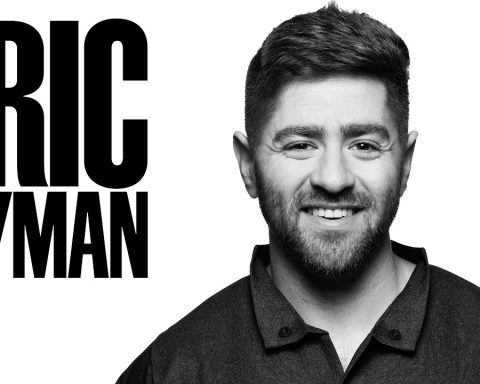


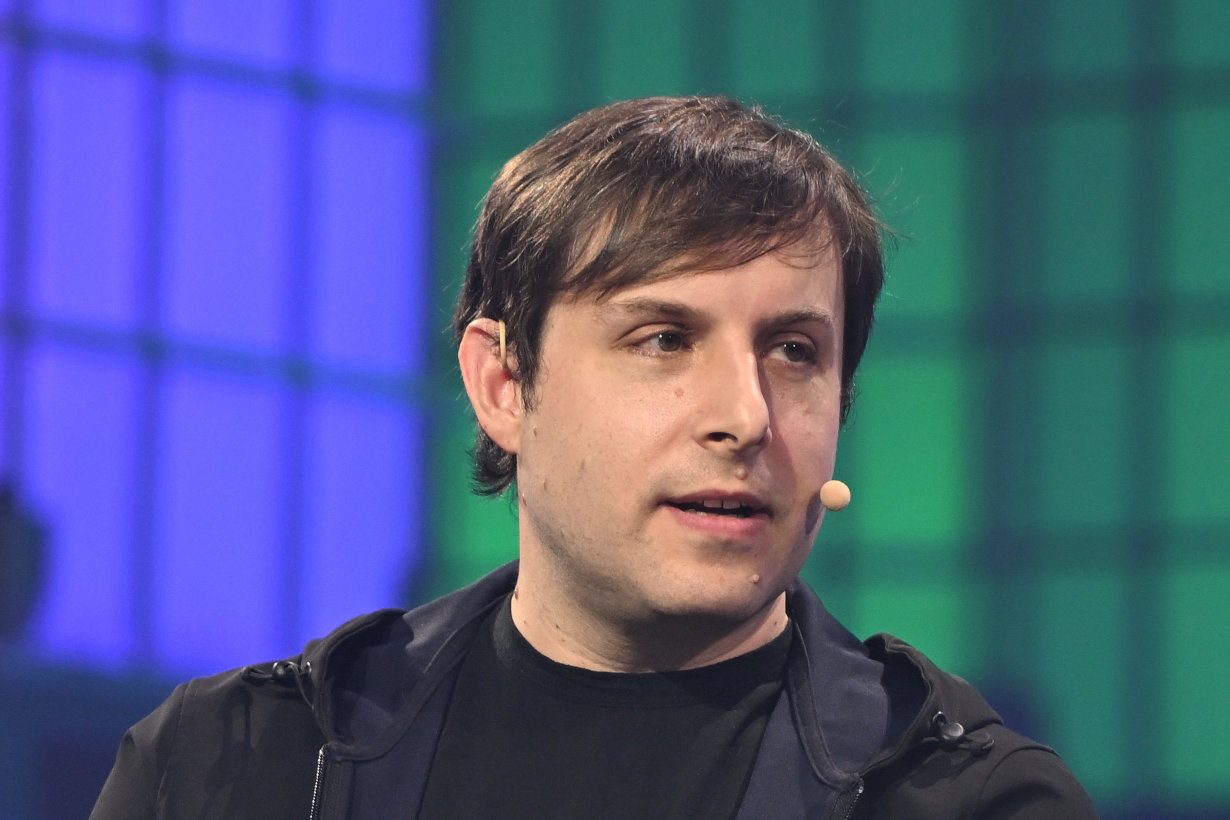
Computers have transformed how humans communicate, work, and access information, yet the interface between humans and machines remains relatively primitive. Most interaction still depends on screens, keyboards, touch, and voice commands. Max Hodak is working to change this by developing neurotechnology systems that connect biology directly with computing, potentially redefining how humans restore, augment, and interact with cognitive and sensory capabilities.
Key Takeaways
- Max Hodak is helping advance neurotechnology through Science Corporation and biohybrid brain-computer interfaces.
- The company’s retinal implant systems demonstrate practical progress in restoring human vision.
- Biohybrid interfaces aim to improve long-term compatibility between neural tissue and hardware.
- AI is becoming an increasingly important layer in interpreting and adapting neural communication.
- Neurotechnology may eventually redefine how humans interact with computers, medicine, and intelligent systems.
Neurotechnology Is Becoming a New Computing Platform
For decades, brain-computer interfaces (BCIs) were largely confined to academic research and experimental laboratories. The technology showed promise, but practical real-world applications remained limited by hardware constraints, biological compatibility issues, and insufficient computing power.
Max Hodak believes neurotechnology is approaching a transition point where it can evolve from speculative science into usable medical and computational infrastructure. Through Science Corporation, he is helping develop systems that integrate neuroscience, engineering, AI, and biohybrid design to restore human capabilities such as vision and mobility.
Rather than treating the brain purely as a biological organ, this approach views neural systems as interfaces that can communicate with computational platforms. The result is a new category of technology where medicine, software, and hardware increasingly converge.
As AI and neuroscience continue advancing together, neurotechnology may eventually become as transformative as personal computing or the internet itself.
Why Human-Computer Interfaces Need to Evolve
Modern computing systems have become extraordinarily powerful, but human interaction with machines has evolved far more slowly.
Despite advances in software and AI, most digital experiences still rely on indirect physical interfaces. This creates limitations in speed, accessibility, and the ability to restore lost sensory or motor function.
At the same time, millions of people globally live with neurological conditions, vision loss, paralysis, or cognitive impairments that existing technologies cannot fully address. Traditional medical devices often struggle with long-term compatibility and seamless integration with biological systems.
Meanwhile, advances in machine learning, sensors, robotics, and neuroscience are creating opportunities for more sophisticated neural interfaces. The convergence of these fields is enabling systems capable of interpreting and responding to neural activity with increasing precision.
The challenge is no longer simply understanding the brain – it is designing interfaces that can safely and effectively integrate with it over time.
The Innovation: Biohybrid Neurotechnology Systems
Science Corporation approaches neurotechnology as both a medical and computational infrastructure problem.
1. Vision Restoration Through Retinal Implants
One of the company’s most significant breakthroughs involves the PRIMA retinal implant system.
Designed for patients with age-related macular degeneration (AMD), the implant helps restore functional vision by stimulating retinal cells through a wireless photovoltaic implant. Clinical trials demonstrated meaningful visual improvements for many patients.
This represents a major shift in neurotechnology from theoretical experimentation toward practical restorative medicine. Instead of merely studying neural systems, these technologies actively reintroduce lost capabilities into daily life.
The work also demonstrates how neuroscience and engineering can converge to address large-scale healthcare challenges with increasingly precise interventions.
2. Biohybrid Brain-Computer Interfaces
Science Corporation is also exploring biohybrid BCI systems that combine living neurons with engineered hardware.
Traditional implants can create long-term biological friction because rigid hardware interacts imperfectly with soft neural tissue. Biohybrid systems aim to improve compatibility by integrating biological materials directly into interface design.
This could reduce inflammation, improve signal quality, and support longer-lasting neural integration. The goal is to create systems that function more naturally within the body rather than operating as purely external mechanical devices.
The concept reflects a broader shift in neurotechnology toward interfaces that adapt to biology rather than forcing biology to adapt to machines.
3. Neurotechnology Infrastructure and Research Tools
Beyond individual products, Science Corporation is building infrastructure designed to accelerate the broader neurotechnology ecosystem.
Through initiatives such as Science Foundry, the company develops tools and platforms that support neuroscience research, experimentation, and interface development. This creates enabling infrastructure for future innovation across the field.
Instead of focusing solely on one commercial application, the strategy supports long-term ecosystem growth. Researchers and developers gain access to technologies that may help accelerate future breakthroughs.
This mirrors how software platforms and cloud infrastructure helped accelerate innovation across the internet economy.
4. AI and Neural Systems Integration
Modern neurotechnology increasingly depends on artificial intelligence to interpret complex neural signals.
Machine learning systems can help decode patterns of neural activity, improve interface responsiveness, and personalize device behavior over time. AI effectively becomes part of the communication layer between biology and computing systems.
Science Corporation’s partnerships and technical direction reflect this convergence between neuroscience and computational intelligence. As neural datasets expand, AI may play an even larger role in enabling adaptive and responsive neurointerfaces.
This creates a future where biological systems and intelligent software operate in increasingly integrated ways.
Traditional Medical Interfaces vs. Biohybrid Neurotechnology
| Dimension | Traditional Medical Devices | Biohybrid Neurotechnology |
|---|---|---|
| Interface Design | Mechanical and rigid | Biologically integrated |
| Signal Interaction | Limited neural responsiveness | Adaptive neural communication |
| Long-Term Compatibility | Higher biological friction | Potentially improved integration |
| Primary Function | Assistive support | Restorative capability |
| System Intelligence | Static device behavior | AI-enhanced adaptability |
What This Shift Means
The comparison reflects a broader transformation in how medicine and computing intersect. Neurotechnology is increasingly moving from external assistance toward integrated biological interaction.
Instead of treating devices as separate tools attached to the body, future systems may function as adaptive extensions of human sensory and cognitive processes. This creates possibilities not only for treatment, but also for entirely new forms of human-computer interaction.
The shift also changes the role of AI within healthcare. Intelligent systems may increasingly operate inside therapeutic and restorative technologies rather than remaining external software applications.
As these technologies mature, the boundary between biology and computation may become progressively less distinct.
Impact: Expanding the Possibilities of Restorative Medicine
Max Hodak’s work represents a broader effort to move neurotechnology into practical clinical reality.
Restoring Human Capabilities
The PRIMA retinal implant demonstrates that neurotechnology can restore meaningful sensory function for patients experiencing severe vision loss.
This moves BCIs beyond conceptual demonstrations into technologies capable of improving everyday quality of life. Restorative neurotechnology could eventually expand into mobility, cognition, hearing, and other neurological applications.
The ability to recover lost capabilities may become one of the defining medical breakthroughs of the coming decades.
Accelerating Neurotechnology Research
By building tools and infrastructure for researchers, Science Corporation contributes to the broader advancement of the field.
Shared platforms and enabling technologies can help reduce development friction and encourage collaboration across neuroscience, medicine, and engineering disciplines. This accelerates experimentation and knowledge transfer.
Infrastructure-focused innovation often has multiplier effects because it supports progress far beyond a single organization.
Expanding the Human-Technology Relationship
Neurotechnology may ultimately reshape how humans interact with computing systems altogether.
Future interfaces could become more seamless, adaptive, and biologically integrated than today’s screens and physical inputs. This creates opportunities for entirely new categories of interaction and accessibility.
The long-term implications extend beyond medicine into communication, productivity, and augmented cognition.
The Innovator’s Perspective: Engineering for Human Capability
Max Hodak approaches neurotechnology through a highly interdisciplinary lens.
His work combines neuroscience, biomedical engineering, software systems, robotics, AI, and hardware design into unified technological platforms. This reflects a belief that meaningful breakthroughs often emerge at the intersection of multiple disciplines.
Rather than viewing neurotechnology purely as speculative futurism, Hodak focuses on practical applications capable of delivering measurable real-world outcomes. The emphasis remains on building systems that can genuinely improve human capability and quality of life.
This balance between ambitious vision and clinical practicality has helped position Science Corporation as a credible leader in the emerging neurotechnology industry.
Future Outlook: Toward Integrated Cognitive Interfaces
Neurotechnology is still in its early stages, but momentum across the industry is accelerating rapidly.
Advances in AI, sensor systems, materials science, and neuroscience are making neural interfaces increasingly viable. Over time, these systems may evolve from specialized medical devices into broader computing platforms.
Future neurointerfaces could potentially support:
- Vision restoration
- Mobility assistance
- Cognitive augmentation
- Direct neural communication
- Adaptive human-AI collaboration
While significant ethical, regulatory, and technical challenges remain, the long-term trajectory suggests that human-computer interaction may eventually move beyond external devices entirely.
Max Hodak’s work highlights a future where computing becomes increasingly integrated with human biology itself.
FAQs
Who is Max Hodak?
Max Hodak is a biomedical engineer, entrepreneur, and founder of Science Corporation. He previously co-founded Neuralink and helped develop early brain-computer interface systems. His work focuses on neurotechnology, vision restoration, and biohybrid neural systems.
What is Science Corporation?
Science Corporation is a neurotechnology company developing implantable and biohybrid systems designed to restore vision, cognition, and mobility. The company combines neuroscience, AI, engineering, and biomedical research. Its technologies aim to improve how neural systems interact with computational devices.
What is the PRIMA retinal implant?
PRIMA is a retinal implant system developed to help restore vision for patients with age-related macular degeneration. The implant stimulates retinal cells using wireless photovoltaic technology. Clinical trials showed meaningful visual improvements for many participants.
What are biohybrid brain-computer interfaces?
Biohybrid BCIs combine biological materials with engineered hardware to improve compatibility with neural tissue. This approach may reduce inflammation and improve long-term performance. The goal is to create more natural and adaptive neural interfaces.
Why is neurotechnology important?
Neurotechnology could transform medicine, accessibility, and human-computer interaction. These systems may eventually restore lost capabilities while enabling entirely new forms of communication and cognition. The field represents a major convergence of biology, AI, and computing infrastructure.
Sources:
- https://en.wikipedia.org/wiki/Max_Hodak
- https://x.com/0xBassey/status/2060231699036807405
- https://techcrunch.com/2025/12/05/after-neuralink-max-hodak-is-building-something-stranger/
- https://www.linkedin.com/posts/y-combinator_yc-alum-max-hodak-is-the-co-founder-of-neuralink-activity-7436772808501800961-goJ7
- https://pmc.ncbi.nlm.nih.gov/articles/PMC12659496/
- https://thenextweb.com/news/science-corp-biohybrid-brain-sensor-first-human-hodak-yale
- https://www.cnbc.com/2023/03/13/neuralink-competitor-launches-platform-to-accelerate-medical-innovation.html
Photo credit: TaurusEmerald / Wikimedia Commons / CC BY 4.0 – cropped (link)